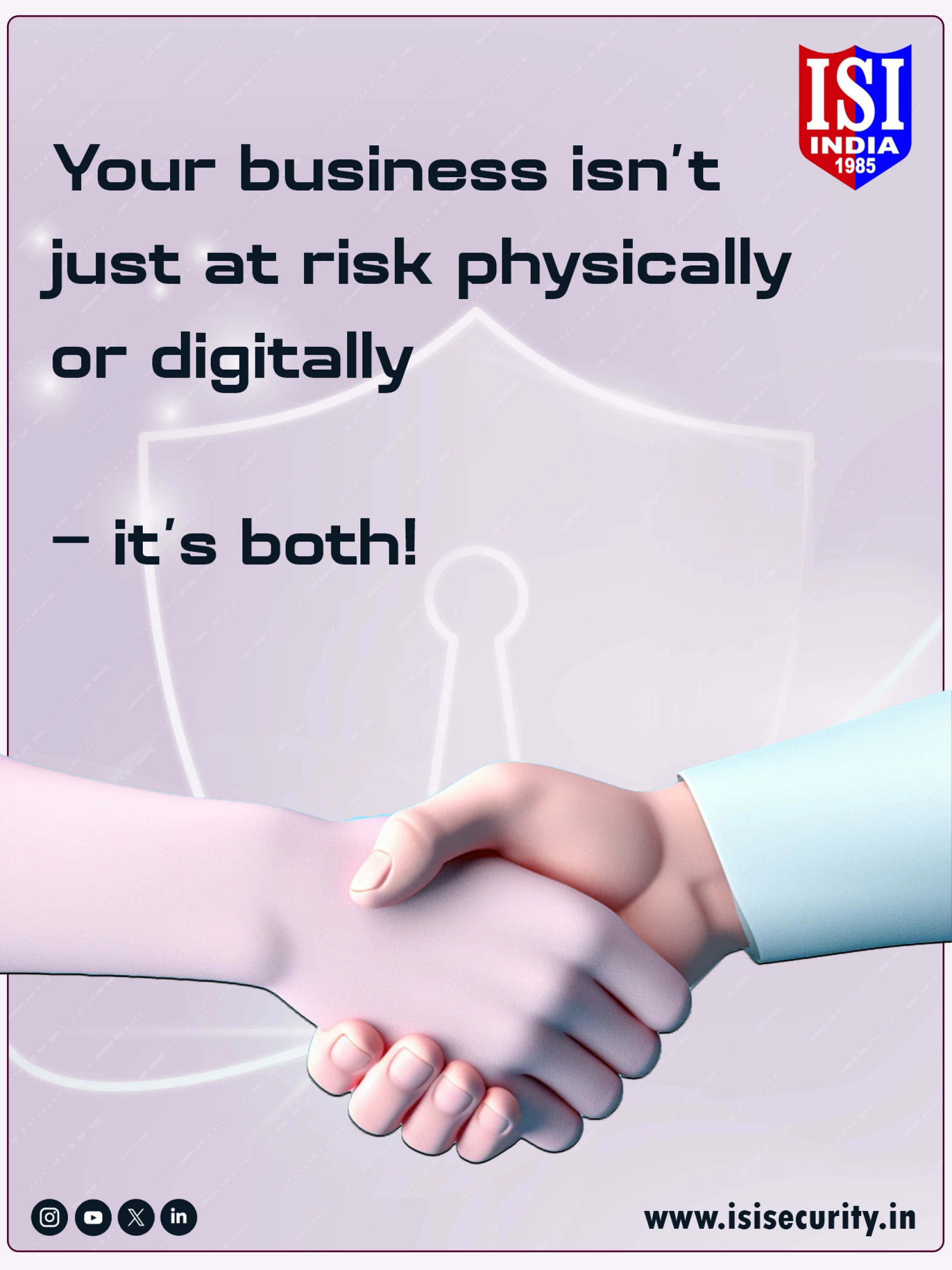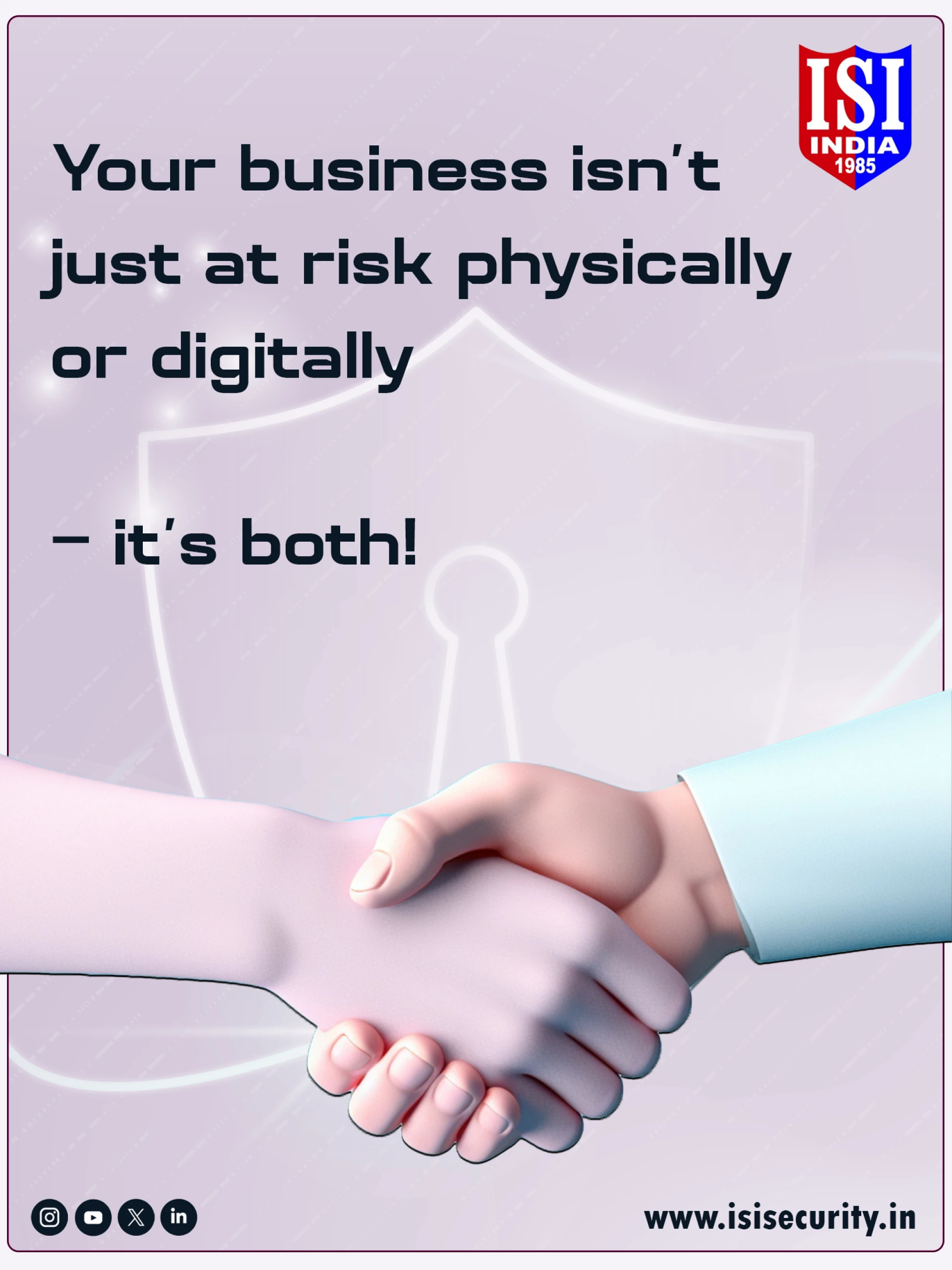
In today’s digital-first world, businesses face security threats from both the physical environment and the digital landscape. Traditional security systems that operate independently are no longer sufficient to protect modern organizations. This is where Integrated Physical & Cyber Security Solutions come into play. By combining physical security systems with advanced cyber security technologies, organizations can create a unified and intelligent protection strategy that safeguards assets, data, and people.
This article explores how integrated security solutions work, their benefits, and why businesses should adopt them to stay ahead of evolving threats.
What Are Integrated Physical & Cyber Security Solutions?
Integrated physical and cyber security solutions refer to the combination of physical security systems such as surveillance cameras, access control, and security guards with cyber security technologies like network security, data protection, and threat monitoring.
Instead of operating separately, these systems are connected through centralized platforms that allow organizations to monitor, detect, and respond to threats in real time.
Examples of Integrated Security Components
Some common components used in integrated security systems include:
- CCTV surveillance systems with network monitoring
- Biometric access control systems connected to cybersecurity platforms
- Security guard monitoring software
- Cyber threat detection systems
- Intrusion detection and alarm systems
- Cloud-based security management platforms
When these technologies work together, businesses gain complete visibility over both physical and digital security threats.
Why Businesses Need Integrated Security Solutions
Organizations today rely heavily on digital infrastructure, cloud platforms, and connected devices. At the same time, physical threats like unauthorized access, theft, and vandalism still remain significant concerns.
A security breach in one area can easily impact the other. For example:
- A hacker could exploit network-connected CCTV systems.
- Unauthorized individuals could gain access to secure areas and steal sensitive data.
- Malware attacks could disrupt physical security systems like access control.
By implementing integrated cyber and physical security solutions, businesses can ensure that all security systems communicate and work together to prevent such incidents.
Key Benefits of Integrated Physical & Cyber Security
1. Centralized Security Management
Integrated security systems allow organizations to manage physical security and cyber security from a single dashboard.
Security teams can monitor:
- CCTV cameras
- Access logs
- Network traffic
- Cyber threats
This centralized approach improves situational awareness and operational efficiency.
2. Faster Threat Detection & Response
With integrated solutions, security events are automatically correlated across systems.
For example:
- If an unauthorized login attempt occurs in the network, the system can automatically trigger physical access restrictions.
- Suspicious movement detected by CCTV can alert cybersecurity teams to monitor related network activity.
This leads to faster incident detection and response, minimizing potential damage.
3. Enhanced Protection for Sensitive Data
Data breaches are one of the biggest risks businesses face today. Integrated systems help protect sensitive information by linking physical access control with cyber authentication systems.
For example:
- Only authorized employees with verified credentials can access restricted server rooms.
- Multi-layer authentication ensures both physical and digital verification.
This reduces the risk of internal security threats and unauthorized access.
4. Improved Compliance & Risk Management
Many industries must comply with strict security and data protection regulations. Integrated security solutions help organizations meet these requirements by providing:
- Detailed security logs and audit trails
- Automated incident reporting
- Continuous security monitoring
This helps businesses maintain compliance with standards like ISO security guidelines and data protection laws.
5. Cost Efficiency and Scalability
Maintaining separate physical and cyber security systems can be costly and complex. Integrated platforms reduce operational costs by:
- Eliminating duplicate systems
- Simplifying infrastructure
- Reducing manual monitoring efforts
Additionally, integrated solutions are highly scalable, allowing businesses to expand their security infrastructure as they grow.
Industries That Benefit from Integrated Security
Integrated physical and cyber security solutions are particularly valuable in industries where data, infrastructure, and human safety are critical.
Key sectors include:
- Corporate offices and IT companies
- Manufacturing and industrial facilities
- Hospitals and healthcare institutions
- Banking and financial services
- Retail and shopping complexes
- Educational institutions
- Airports and transportation hubs
These industries require multi-layered security strategies to protect both physical assets and digital systems.
Future of Integrated Security Systems
The future of security lies in AI-powered and cloud-based integrated security platforms. Emerging technologies are transforming the way organizations protect their operations.
Key trends include:
- Artificial Intelligence for threat detection
- IoT-based smart surveillance systems
- Cloud security monitoring platforms
- AI-powered video analytics
- Zero-trust cyber security frameworks
These innovations enable businesses to predict, detect, and prevent threats before they cause damage.
Conclusion
As security threats become more complex, organizations must adopt a holistic security approach. Integrated physical and cyber security solutions provide a powerful way to protect people, assets, infrastructure, and digital data through a unified security framework.
By implementing smart surveillance, advanced cybersecurity tools, and centralized monitoring systems, businesses can create a resilient and future-ready security ecosystem.
Companies that invest in integrated security solutions today will be better prepared to handle the evolving challenges of tomorrow’s security landscape.