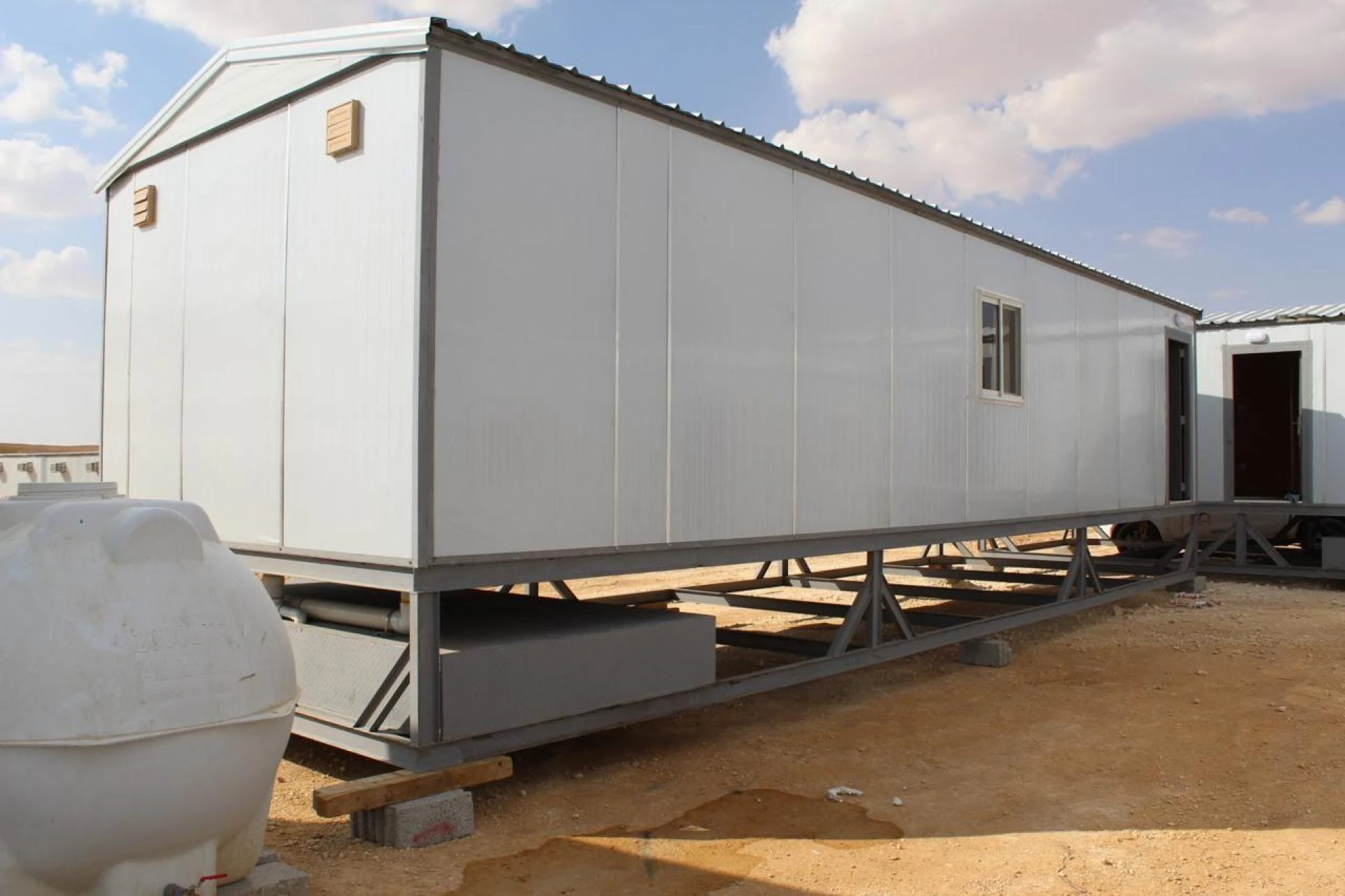
In today’s fast-paced world, the demand for flexible, efficient, and sustainable building solutions has grown significantly. Among the most notable innovations in this area are insulated portable cabins, which combine the convenience of mobility with the essential requirement of thermal and acoustic insulation. These cabins are widely used in various industries, ranging from construction and oilfields to education, healthcare, and disaster relief. They provide cost-effective and comfortable temporary or semi-permanent spaces that can withstand different climates while meeting modern standards of safety, durability, and usability.
This article explores the concept of insulated portable cabins in depth, highlighting their features, benefits, applications, materials, design options, and long-term impact on industries and communities.
What Are Insulated Portable Cabins?
Insulated portable cabins are prefabricated modular structures designed for temporary or permanent use, equipped with insulation materials to regulate internal temperatures and reduce noise levels. Unlike ordinary portable cabins, which may be prone to extreme weather conditions, insulated cabins are specifically engineered to provide comfort in hot, cold, or humid environments.
The insulation ensures energy efficiency by reducing the need for constant heating or cooling, making these cabins both economical and environmentally friendly. They can be easily transported, installed, and customized to serve as offices, accommodation units, classrooms, clinics, or storage facilities.
Key Features of Insulated Portable Cabins
- Thermal Insulation – Insulated walls, roofs, and floors prevent excessive heat gain in summer and heat loss in winter, maintaining a stable internal temperature.
- Acoustic Insulation – Noise reduction is essential in busy environments such as construction sites or industrial zones, and insulated cabins provide soundproofing advantages.
- Mobility – These cabins are designed to be easily transported and reassembled at different locations.
- Durability – Built with strong structural frames and high-quality materials, they can withstand harsh weather conditions.
- Customizable Design – From layout and size to interior finishes and utilities, insulated cabins can be tailored for specific purposes.
- Energy Efficiency – Reduced reliance on air conditioning or heating lowers operating costs.
- Quick Installation – Unlike traditional buildings, these cabins can be set up in a matter of days.
- Low Maintenance – The materials used are resistant to corrosion, pests, and moisture damage.
Insulation Materials Commonly Used
The effectiveness of insulated cabins depends largely on the materials used. Some commonly employed insulation materials include:
- Polyurethane Foam (PUF): Offers high thermal resistance and lightweight properties.
- Expanded Polystyrene (EPS): Economical and effective for thermal insulation.
- Mineral Wool: Provides both thermal and acoustic insulation with fire-resistant properties.
- Rock Wool Panels: Widely used for industrial applications due to fire safety and soundproofing.
- Glass Wool: Lightweight, versatile, and suitable for multiple applications.
Each material has distinct properties, and manufacturers often choose a combination based on the client’s needs and the climate of the intended location.
Applications of Insulated Portable Cabins
- Construction Sites
- Insulated portable cabins serve as site offices, staff accommodations, or meeting rooms. They offer comfort to workers in harsh environments while ensuring project managers have functional workspaces on-site.
- Oilfields and Mining Areas
- In remote locations with extreme weather, insulated cabins provide living quarters, medical units, and operational offices. Their ability to maintain comfortable indoor climates reduces worker fatigue and improves productivity.
- Healthcare Units
- Portable clinics and diagnostic centers made from insulated cabins are essential in underserved areas or during emergencies. Insulation ensures stable internal conditions crucial for medical equipment and patient comfort.
- Educational Facilities
- Schools and training centers often use insulated portable classrooms in regions where permanent infrastructure is lacking. They are particularly beneficial in rural areas or as temporary expansions.
- Disaster Relief and Humanitarian Aid
- After natural disasters such as floods or earthquakes, insulated cabins provide quick and reliable shelter to displaced communities. Their resilience and comfort make recovery efforts more effective.
- Commercial Uses
- Businesses use insulated cabins as retail kiosks, storage facilities, or security posts. Insulation ensures the stored items or staff remain protected against external elements.
- Military and Remote Camps
- Armies and expedition teams benefit from insulated cabins as they provide secure and comfortable bases in extreme terrains.
- Recreational and Tourism Industry
- In eco-resorts or temporary holiday sites, insulated cabins can function as guest rooms, kitchens, or lounges, offering tourists a sustainable and unique experience.
Advantages of Insulated Portable Cabins
- Energy Savings
- One of the greatest advantages is energy efficiency. Insulated cabins require less heating and cooling, significantly lowering electricity bills and carbon emissions.
- Comfort and Well-Being
- By maintaining consistent temperatures and reducing external noise, insulated cabins improve living and working conditions, promoting well-being and productivity.
- Adaptability
- These cabins can be installed in deserts, mountains, coastal areas, or urban centers without compromising performance.
- Affordability
- They are more cost-effective than permanent buildings, both in terms of construction and maintenance.
- Sustainability
- Many manufacturers use eco-friendly insulation materials and designs that align with green building standards.
- Scalability
- Units can be connected or stacked to form larger complexes, adapting to growing needs.
- Time-Saving
- Quick installation is crucial for industries that require immediate operational spaces.
Design and Customization Options
Modern insulated portable cabins can be tailored to meet specific requirements. Key customization options include:
- Size and Layout: Single cabins, double cabins, or multi-room complexes.
- Interior Finishes: Options for flooring, wall panels, lighting, and air-conditioning systems.
- Utilities Integration: Electrical wiring, plumbing, and HVAC systems are incorporated.
- Aesthetic Choices: Exterior cladding, paint, and branding options to align with company identity.
- Safety Features: Fire-resistant panels, emergency exits, and security reinforcements.
Challenges and Considerations
Despite their many advantages, insulated portable cabins come with certain challenges that must be addressed:
- Initial Costs
- While cost-effective in the long run, insulated cabins may have higher initial costs compared to non-insulated alternatives.
- Transport Logistics
- Moving large cabins requires proper planning and infrastructure, especially in remote regions.
- Quality Variations
- Not all manufacturers use high-quality materials, leading to differences in durability and performance.
- Maintenance of Utilities
- Although the cabins themselves require minimal upkeep, integrated systems like plumbing and air conditioning may still need periodic maintenance.
- Regulatory Approvals
- Some regions may require specific certifications or approvals before installing insulated cabins.
The Role of Insulated Portable Cabins in Modern Industry
The growth of industries such as construction, energy, mining, and logistics has highlighted the need for practical and efficient infrastructure solutions. Insulated portable cabins play a vital role by providing reliable spaces in dynamic and challenging environments.
In urban areas, they support businesses requiring temporary offices or storage. In remote sites, they offer workers the comfort necessary to maintain morale and efficiency. For governments and aid organizations, they provide rapid-response infrastructure during crises.
Future Trends in Insulated Portable Cabins
- Smart Cabins – Integration of IoT systems for monitoring energy use, indoor air quality, and occupancy.
- Eco-Friendly Designs – Greater focus on recyclable materials, solar panels, and rainwater harvesting systems.
- Modular Expansion – Development of multi-story complexes using insulated cabin modules.
- Advanced Materials – Research into next-generation insulation materials with better performance and lower environmental impact.
- Hybrid Applications – Combining cabins with renewable energy systems to create self-sufficient units in remote areas.
Conclusion
Insulated portable cabins represent a modern, adaptable, and sustainable solution to the diverse needs of industries, communities, and governments. Their combination of comfort, energy efficiency, mobility, and affordability makes them invaluable in a wide range of applications—from construction sites and oilfields to healthcare facilities, schools, and disaster relief operations.
As the world continues to face challenges such as rapid urbanization, climate change, and population growth, the importance of insulated portable cabins will only increase. They are more than just temporary structures; they are innovative building solutions that bridge the gap between mobility and long-term sustainability.