The engraving world has transformed dramatically over recent years, leaving behind the limitations of traditional hand-carved methods and stepping boldly into an era of cutting-edge precision. What once required years of apprenticeship and steady hands can now be achieved with remarkable accuracy through modern technologies that work faster and more consistently than ever before. These advancements haven't just improved existing processes, they've completely reimagined what's possible when it comes to personalizing products, creating signage, and producing intricate designs across materials ranging from delicate wood to industrial metals. Small businesses creating custom gifts now have access to the same sophisticated capabilities that large manufacturers use for complex industrial applications.
The Evolution of Modern Engraving Technology
There's something romantic about traditional engraving methods, where master craftspeople spent years perfecting the delicate art of carving into various materials with precision hand tools. Those time-honored techniques still have their place, particularly for certain artistic applications that benefit from the human touch. However, modern innovations have shattered previous limitations regarding detail levels, consistency, and production speed in ways that seemed like science fiction just twenty years ago. Computer-controlled systems now translate digital designs directly into physical engravings with microscopic accuracy, eliminating the variability that comes with human fatigue and ensuring perfect reproducibility whether you're making ten pieces or ten thousand.
Diverse Applications Across Industries
The reach of innovative engraving solutions extends far beyond what most people imagine, touching industries as varied as fine jewelry and heavy aerospace manufacturing. Jewelers use advanced engraving to create breathtakingly intricate patterns on precious metals and gemstones, personalizing pieces with messages that carry deep sentimental value. Manufacturing operations depend on engraving for product marking and serial number applications that need to survive harsh environments, chemical exposure, and years of heavy use without fading. The signage industry has embraced these technologies to produce dimensional displays and wayfinding systems that catch the eye and communicate brand identity with lasting impact.
Material Versatility and Processing Capabilities
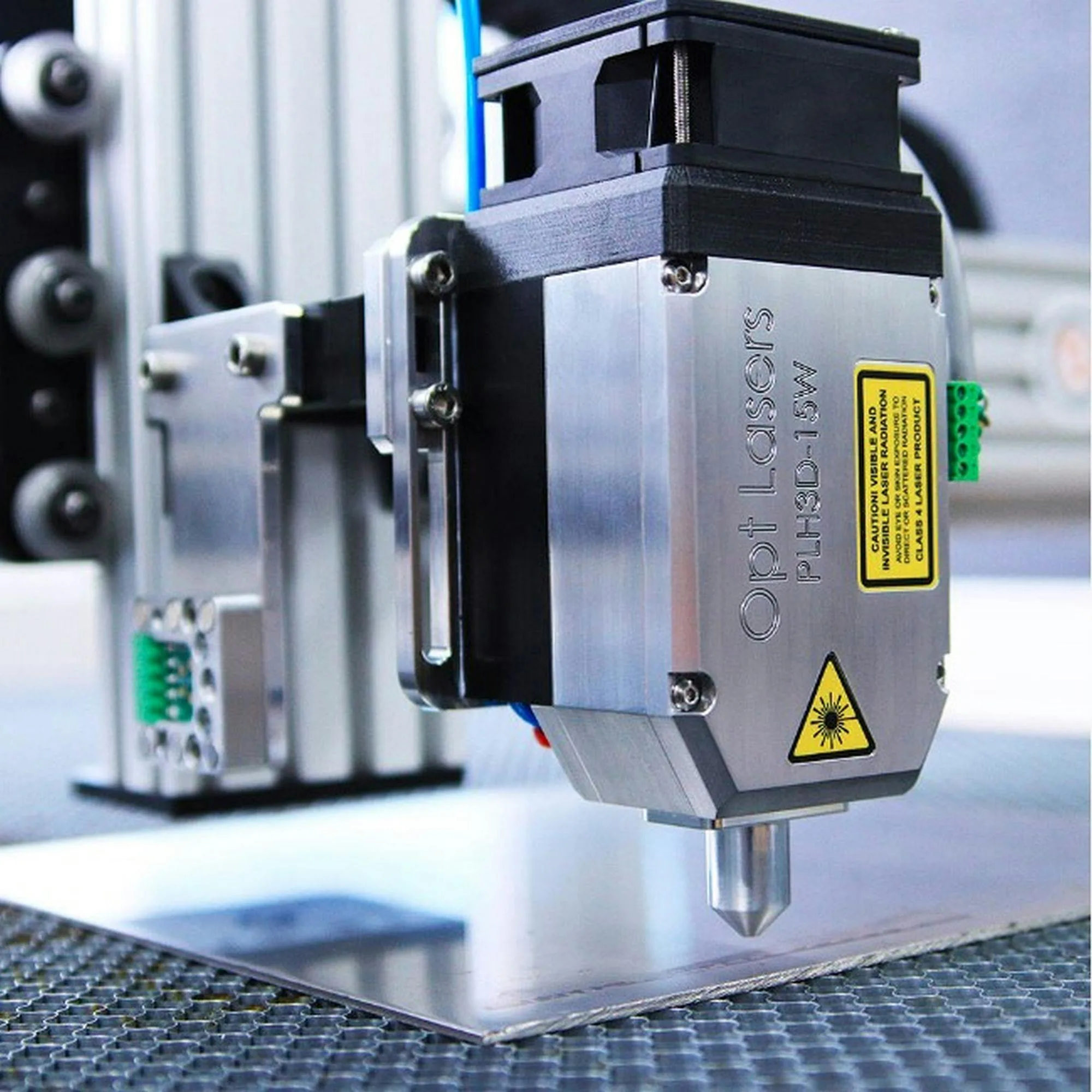
What truly sets contemporary engraving solutions apart is their remarkable ability to handle an extraordinary range of materials, each presenting unique challenges and processing requirements. Metals like stainless steel, aluminum, brass, copper, and titanium respond differently to engraving processes, and professionals who need to create permanent markings rely on a laser machine to achieve varying depths and finishes for different aesthetic and functional outcomes. Wood products present their own opportunities, from delicate veneers to dense hardwoods, creating natural, looking designs that beautifully highlight inherent grain patterns rather than fighting against them. Plastics and polymers, whether they're rigid acrylics for display cases or flexible materials for packaging, can be precisely engraved for applications spanning industrial components to decorative consumer items. Glass and crystal respond to engraving with elegant, frosted effects that transform ordinary pieces into stunning awards, decorative objects, and architectural elements. Leather goods, textiles, and certain ceramics each require specialized techniques that respect their unique characteristics, too aggressive, and you damage the material, too gentle, and the engraving won't last. Advanced systems automatically adjust their approach based on material properties, ensuring optimal results whether you're working with highly reflective metals, transparent materials, or complex composites. This versatility eliminates the need for multiple specialized machines cluttering your production floor, streamlining operations, and reducing capital equipment investments for businesses serving diverse markets.
Customization and Personalization Trends
Today's marketplace has witnessed an absolute explosion in consumer demand for personalized products, positioning innovative engraving solutions at the center of competitive differentiation strategies across industries. Customers aren't just willing to pay for unique items anymore; they actively seek them out, valuing products that reflect individual preferences, commemorating special occasions, or expressing personal identity through customized designs. Businesses offering personalization services consistently report higher customer satisfaction scores, improved brand loyalty, and the ability to command premium pricing that significantly enhances profit margins. The economics have completely shifted from the old manufacturing paradigm where you needed massive minimum orders to achieve any kind of cost efficiency.
Integration with Digital Workflows
Modern engraving solutions don't exist in isolation, they seamlessly integrate with broader digital design ecosystems, creating streamlined workflows that maximize both productivity and creative flexibility. Design software now features intuitive interfaces that allow users to create, import, and modify artwork without needing advanced technical expertise, dramatically lowering the barrier to entry for new operators. File formats from popular graphic design applications import directly, preserving vector information, and ensuring that what you see on screen translates accurately to the final engraved product. Cloud-based platforms have revolutionized collaboration, enabling remote job preparation, design reviews with clients across the country, and centralized management of design libraries accessible from multiple locations simultaneously.
Future Directions and Emerging Innovations
The engraving industry isn't resting on its laurels, it continues evolving at a rapid pace, with emerging innovations promising even greater capabilities, efficiency, and application possibilities in the years ahead. Artificial intelligence and machine learning algorithms are being developed to automatically optimize processing parameters based on material characteristics, desired outcomes, and quality requirements without human intervention. Three-dimensional engraving capabilities are expanding beyond simple surface marking, allowing for complex texturing and relief carving that creates stunning visual and tactile affects you can feel with your fingertips. Hybrid systems that combine multiple processing technologies in a single platform are hitting the market, offering unprecedented versatility for complex projects that previously required multiple machines and setups.
Conclusion
Innovative engraving solutions represent something special, a convergence of traditional craftsmanship, advanced engineering, and digital connectivity that's genuinely transforming how we personalize, mark, and create across countless industries. The versatility, precision, and efficiency of modern engraving technologies have opened creative possibilities that simply didn't exist before while making sophisticated customization economically viable for businesses of all sizes, not just industry giants. As these technologies continue evolving, incorporating artificial intelligence, enhanced material processing capabilities, and deeper integration with digital ecosystems, the potential applications will only expand further into areas we haven't even imagined yet. Organizations and individuals who embrace these innovative engraving solutions aren't just keeping pace with industry trends; they're positioning themselves to meet growing consumer demand for personalization, achieve meaningful operational efficiencies, and differentiate themselves in increasingly competitive markets where standing out matters more than ever.