
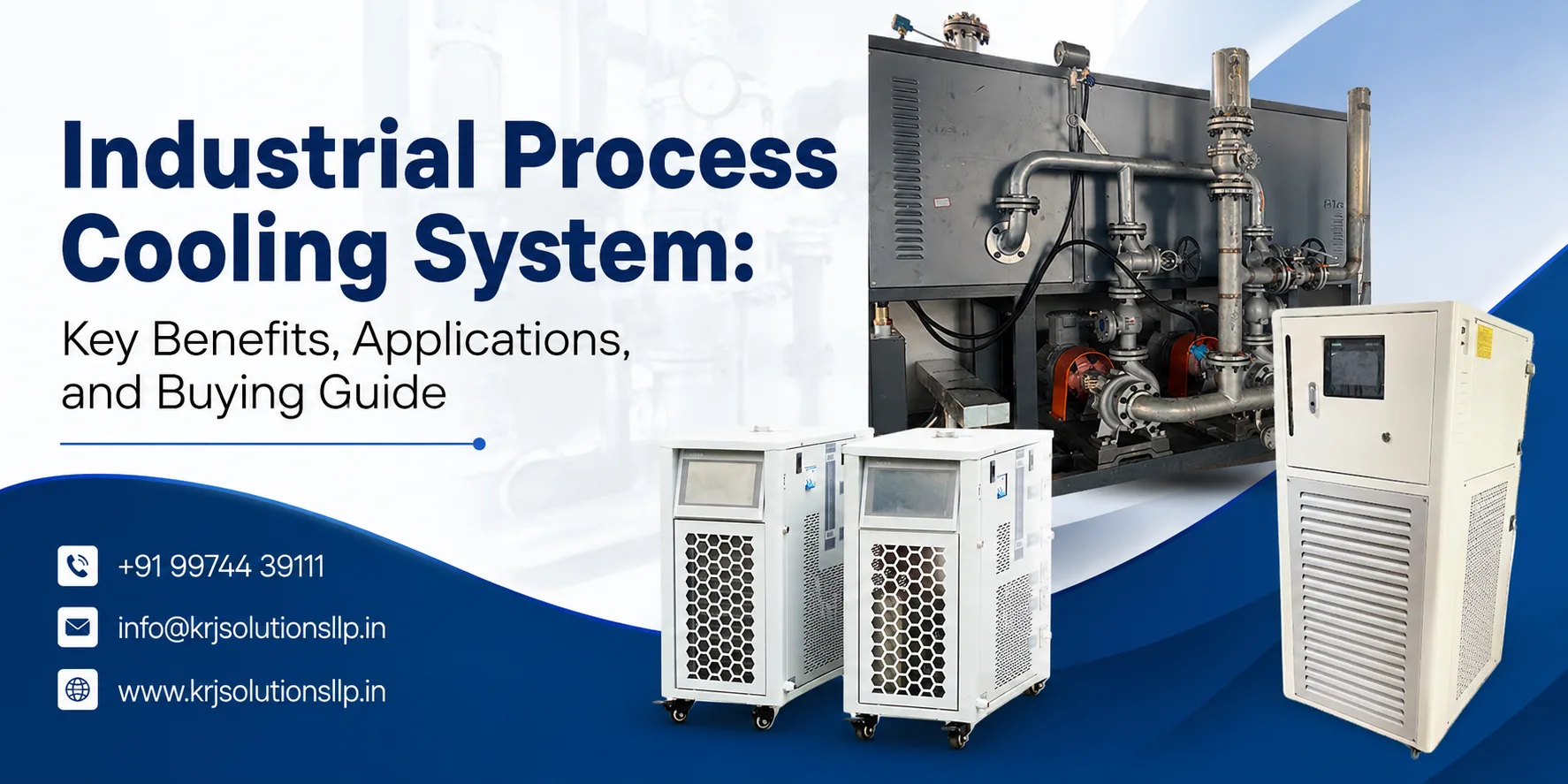
Industrial manufacturing depends on accurate temperature control to ensure consistent product quality, smooth production, and equipment reliability. Excess heat generated during manufacturing can reduce efficiency, damage machinery, and increase operating costs. This is why investing in the right cooling solution is essential for modern industries.
An Industrial Process Cooling System is a specialized cooling solution that removes excess heat from industrial processes and equipment, helping businesses improve productivity, reduce downtime, and maintain consistent product quality.
Whether you operate a plastic molding plant, pharmaceutical facility, chemical processing unit, or food manufacturing business, a high-performance Industrial Process Cooling System plays a crucial role in maintaining stable operating conditions. When integrated with a Precision Temperature Controller System and a Refrigerated Heating Circulator, industries can achieve exceptional thermal management for even the most demanding applications. Working with trusted Mould Temperature Controller Manufacturers and experienced Industrial Process Cooling System Manufacturers ensures long-term reliability and efficient operation.
📌 Key Takeaways
- Industrial Process Cooling System maintain stable temperatures for uninterrupted industrial operations.
- They improve equipment performance, reduce downtime, and enhance product quality.
- Combining cooling systems with a Precision Temperature Controller System ensures accurate thermal management.
- Refrigerated Heating Circulators provide both heating and cooling for specialized industrial applications.
- Choosing experienced Industrial Process Cooling System Manufacturers guarantees reliable, energy-efficient, and durable solutions.
Technical Explanation: How Does an Industrial Process Cooling System Work?
An Industrial Process Cooling System removes unwanted heat generated during manufacturing and production. It transfers excess heat away from machinery or products using chilled water, refrigerants, or other cooling media. Advanced cooling systems automatically monitor and regulate temperatures to ensure consistent production conditions.
Modern cooling solutions often work alongside a Precision Temperature Controller System, which continuously monitors process temperatures and adjusts heating or cooling to maintain the desired temperature range. For laboratory and precision manufacturing applications, a Refrigerated Heating Circulator provides accurate heating and cooling in a single system.
Technical Features
FeatureDescriptionBenefitsPrecision Temperature ControlMaintains accurate operating temperaturesImproves product qualityAutomatic CoolingRegulates cooling based on process demandReduces manual interventionEnergy-Efficient OperationOptimizes cooling cyclesLowers electricity costsDigital MonitoringReal-time temperature displayBetter process controlSafety ProtectionPrevents overheating and equipment damageImproves operational safetyIndustrial AutomationSupports PLC and smart controlsIncreases productivityThese features make industrial cooling systems an essential investment for businesses seeking consistent production and long-term equipment protection.
Key Benefits of an Industrial Process Cooling System
1. Improved Product Quality
Stable temperatures help eliminate production defects and maintain consistent product standards. This is especially important in industries where even minor temperature fluctuations can affect product performance.
2. Increased Production Efficiency
Proper cooling enables machinery to operate continuously without overheating, resulting in higher productivity and reduced interruptions.
3. Lower Energy Consumption
Modern cooling systems are designed with energy-efficient components that optimize cooling performance while reducing electricity usage.
4. Reduced Equipment Downtime
Maintaining safe operating temperatures minimizes unexpected breakdowns and extends equipment lifespan.
5. Enhanced Equipment Life
Continuous temperature regulation reduces mechanical stress on industrial machinery, lowering maintenance requirements and repair costs.
6. Better Workplace Safety
Controlled operating temperatures reduce overheating risks, creating a safer and more reliable production environment.
Applications of an Industrial Process Cooling System
Industrial cooling systems are widely used across multiple industries, including:
- Plastic Injection Moulding
- Blow Moulding
- Pharmaceutical Manufacturing
- Chemical Processing
- Food & Beverage Production
- Printing Industry
- Textile Manufacturing
- Rubber Processing
- Electronics Manufacturing
- Packaging Industry
Many of these industries also depend on Mould Temperature Controller Manufacturers for advanced mold temperature regulation and on Precision Temperature Controller System solutions for precise thermal control throughout the production process.
Step-by-Step Buying Guide
Choosing the right Industrial Process Cooling System requires careful planning. Follow these steps to select the best solution for your business.
Step 1: Evaluate Your Cooling Requirements
Identify the amount of heat generated during production and determine the cooling capacity required for efficient operation.
Step 2: Understand Your Industry Needs
Different industries require different cooling solutions.
Examples include:
- Plastic Manufacturing
- Pharmaceutical Production
- Food Processing
- Chemical Plants
- Laboratory Applications
Selecting a system designed for your specific application ensures better performance.
Step 3: Consider Temperature Accuracy
If your process requires highly accurate thermal regulation, integrate the cooling system with a Precision Temperature Controller System for better control and consistency.
Step 4: Check Energy Efficiency
Choose systems equipped with energy-saving compressors, intelligent controls, and efficient heat exchangers to reduce long-term operating costs.
Step 5: Evaluate Automation Features
Modern cooling systems should include:
- Digital temperature displays
- PLC compatibility
- Automatic alarms
- Remote monitoring
- Intelligent process controls
These features improve operational efficiency and simplify maintenance.
Step 6: Consider a Refrigerated Heating Circulator
Some applications require both heating and cooling. A Refrigerated Heating Circulator offers exceptional flexibility by delivering precise temperature control throughout different stages of production.
Step 7: Select Reliable Manufacturers
Partnering with experienced Industrial Process Cooling System Manufacturers ensures:
- High-quality products
- Customized solutions
- Technical expertise
- Spare parts availability
- Reliable after-sales support
Similarly, trusted Mould Temperature Controller Manufacturers provide advanced temperature control systems that improve molding quality and reduce production cycle times.
Why Precision Temperature Control Matters
Temperature variations can significantly affect manufacturing quality and equipment performance. A Precision Temperature Controller System continuously monitors and adjusts temperatures to maintain ideal operating conditions.
By combining a precision controller with an Industrial Process Cooling System, manufacturers can achieve:
- Better production consistency
- Faster processing cycles
- Reduced product rejection
- Improved energy efficiency
- Increased equipment reliability
This integrated approach helps businesses maintain high-quality production while reducing operational costs.
Tips for Maintaining an Industrial Process Cooling System
To maximize performance and extend equipment life:
- Inspect cooling components regularly.
- Clean heat exchangers and filters.
- Monitor coolant levels and quality.
- Calibrate temperature sensors periodically.
- Schedule preventive maintenance.
- Replace worn components promptly.
- Follow manufacturer maintenance guidelines.
Regular maintenance ensures efficient cooling, minimizes downtime, and protects valuable production equipment.
Conclusion
An Industrial Process Cooling System is an essential investment for industries seeking reliable cooling, consistent product quality, and improved operational efficiency. By effectively removing excess heat, these systems protect machinery, reduce production interruptions, and lower energy costs. When combined with a Precision Temperature Controller System and a Refrigerated Heating Circulator, businesses gain complete thermal management for demanding industrial applications.
Choosing experienced Industrial Process Cooling System Manufacturers and trusted Mould Temperature Controller Manufacturers ensures high-performance equipment, dependable technical support, and long-term value. With the right cooling solution in place, manufacturers can improve productivity, enhance process stability, and achieve sustainable growth.
Frequently Asked Questions (FAQs)
1. What is an Industrial Process Cooling System?
An Industrial Process Cooling System removes excess heat from industrial equipment and manufacturing processes to maintain safe operating temperatures and improve production efficiency.
2. Which industries use Industrial Process Cooling Systems?
These systems are widely used in plastics, pharmaceuticals, chemicals, food processing, packaging, electronics, laboratories, textiles, and rubber manufacturing.
3. Why is a Precision Temperature Controller System important?
A Precision Temperature Controller System provides accurate temperature regulation, ensuring consistent product quality, stable production, and improved process efficiency.
4. What is the purpose of a Refrigerated Heating Circulator?
A Refrigerated Heating Circulator provides both heating and cooling with precise temperature control, making it ideal for laboratory, pharmaceutical, and industrial applications.
5. How do I choose the best Industrial Process Cooling System Manufacturers?
Look for manufacturers with proven industry experience, energy-efficient products, customization capabilities, technical expertise, strong after-sales support, and reliable customer service.
6. Why are Mould Temperature Controller Manufacturers important?
Experienced Mould Temperature Controller Manufacturers provide advanced thermal control systems that improve molding quality, reduce cycle times, increase production efficiency, and ensure consistent manufacturing performance.