Handling heavy materials inside a factory, warehouse, or workshop can be challenging when space is limited and loads need to be moved frequently. An indoor crane provides a practical way to lift, transport, and position materials within an enclosed working environment. By using overhead or dedicated lifting structures, these cranes can improve workflow while reducing the need for excessive manual handling.
What Is an Indoor Crane?
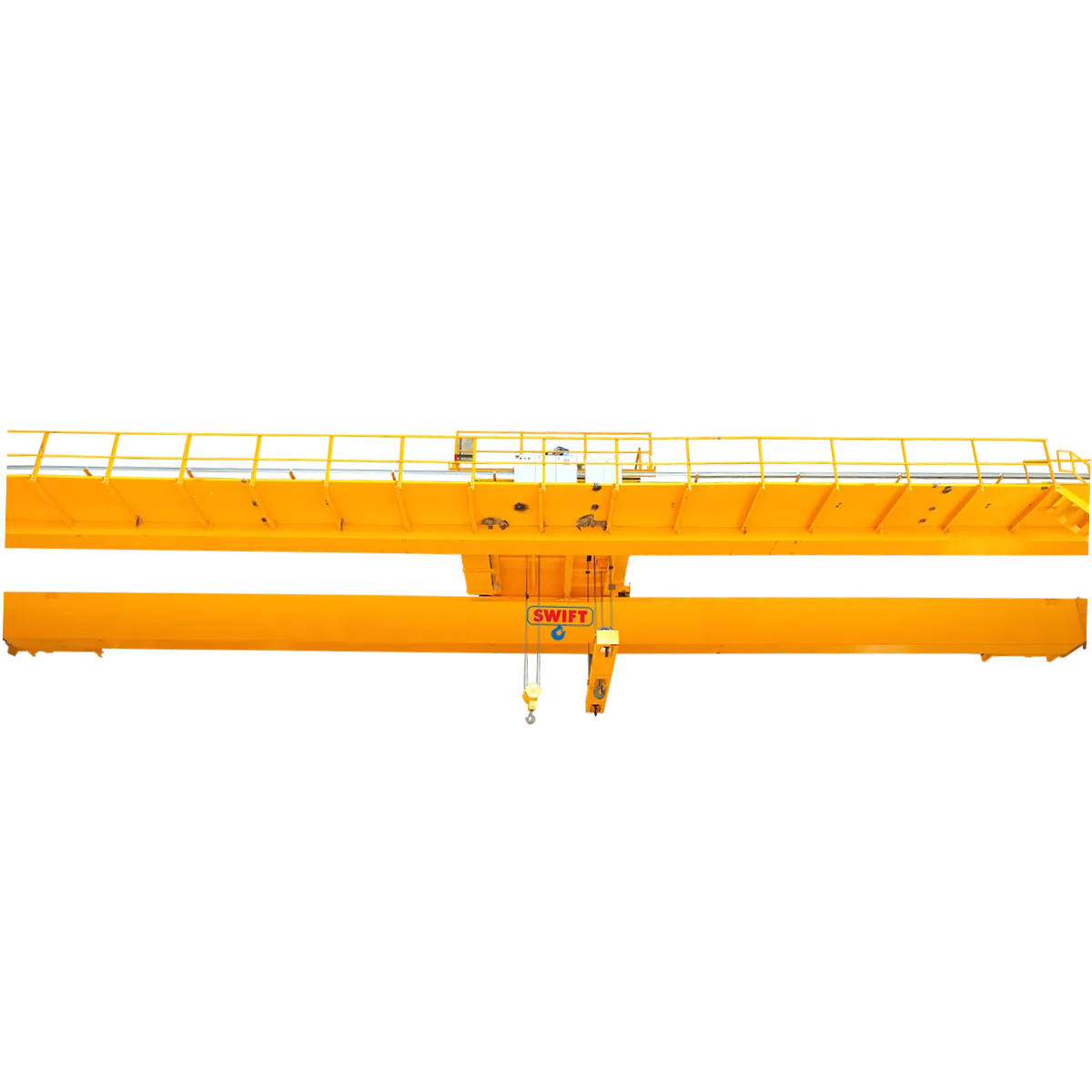
An indoor crane is a lifting system specifically designed for use inside buildings such as manufacturing plants, warehouses, workshops, and industrial facilities. Depending on the application, it can include overhead cranes, bridge cranes, jib cranes, or other compact lifting solutions.
Unlike mobile lifting equipment, indoor cranes generally operate within a defined area. This allows businesses to establish controlled lifting zones and move materials between different workstations without occupying large amounts of floor space.
Where Are Indoor Cranes Used?
Indoor cranes are suitable for many industries where regular lifting and material movement are required. Common applications include:
- Manufacturing and production facilities
- Engineering workshops
- Warehouses and storage areas
- Automotive plants
- Steel and metal industries
- Fabrication units
- Power and industrial facilities
- Maintenance and assembly areas
The type of crane selected depends on the size of the facility, the weight of materials, lifting height, and the frequency of lifting operations.
Benefits of Using an Indoor Crane
One of the main advantages of an indoor crane is better use of available workspace. Since many indoor crane systems operate above the floor, they allow businesses to keep floor areas available for production, storage, machinery, and employee movement.
Another benefit is improved material handling efficiency. Heavy components, raw materials, machinery parts, and finished products can be moved between designated locations with less manual effort.
An indoor crane can also provide controlled lifting and positioning. This is particularly useful in manufacturing and assembly environments where materials need to be placed accurately.
Choosing the Right Indoor Crane
Selecting the appropriate crane requires an understanding of the facility and its daily operations. The maximum load weight is one of the first factors to consider. Businesses should also evaluate lifting height, span, travel distance, operating speed, and how frequently the crane will be used.
The building structure is equally important. The crane and its supporting system need to be compatible with the available space and structural conditions. Ceiling height, column positioning, runway requirements, and access to maintenance areas should all be considered during planning.
Working conditions can also influence equipment selection. Factors such as dust, heat, humidity, and operating temperature may require specific equipment configurations.
Maintenance and Safe Operation
Regular maintenance plays an important role in keeping indoor lifting equipment reliable. Components such as hooks, wire ropes, brakes, wheels, electrical systems, and controls should be inspected regularly.
Operators should also receive appropriate training and follow established lifting procedures. Loads should remain within the rated capacity of the equipment, and regular inspections should be carried out to identify signs of wear or damage.
Preventive maintenance can help reduce unexpected breakdowns, extend equipment life, and support safer material handling operations.
Why Indoor Cranes Are Valuable for Modern Facilities
As industrial facilities focus on improving productivity and making better use of available space, efficient lifting systems have become increasingly important. An indoor crane can help create a more organized material flow by providing a dedicated method for moving heavy loads.
With the right design and specifications, these systems can support repetitive lifting tasks while reducing unnecessary movement and manual handling.
Conclusion
An indoor crane can be a valuable addition to factories, warehouses, workshops, and other enclosed industrial environments. By providing controlled lifting, efficient movement, and better utilization of floor space, it can contribute to smoother material handling operations.
For businesses looking for dependable lifting equipment, Consolidated swift offers material handling solutions designed to support a variety of industrial applications and operational requirements.