
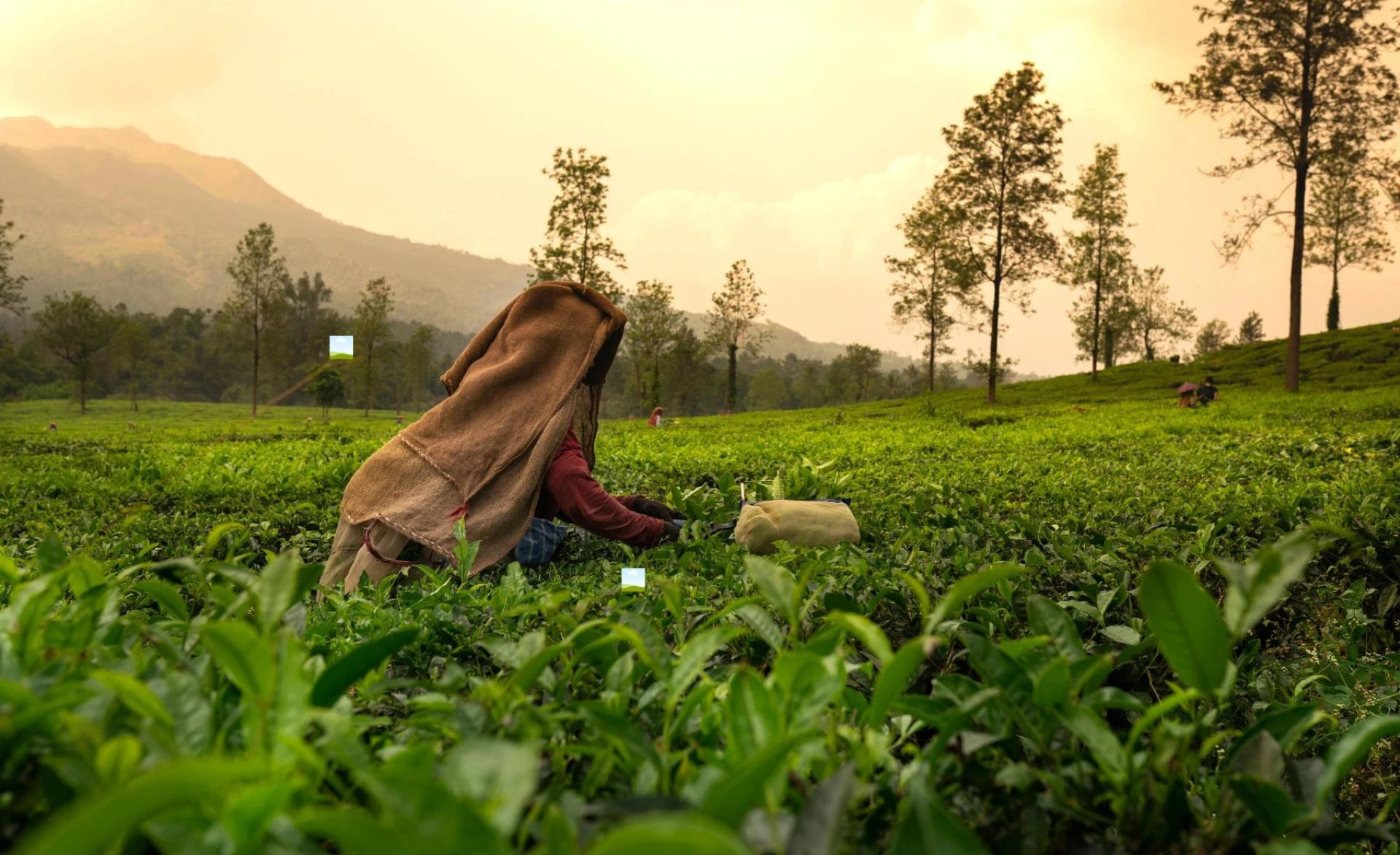
The India tea industry recorded a consumption volume of 1.40 million tons in 2025 and is forecast to expand at a CAGR of 4.50% between 2026 and 2035, reaching close to 2.17 million tons by 2035. Growth remains structurally supported by strong domestic demand, gradual premiumisation, and expanding organised retail presence across emerging urban centres. Increasing interest in flavoured and wellness-oriented teas is reshaping product portfolios and strengthening value-driven expansion within the market.
Industry Context and Demand Patterns
Tea consumption in India is deeply embedded in daily routines across socio-economic groups. While black tea continues to account for the majority of volumes, consumption preferences are steadily evolving. Urban consumers are increasingly experimenting with green, herbal, and specialty blends, particularly those positioned around health and lifestyle benefits.
The shift toward functional beverages is encouraging manufacturers to develop blends infused with botanicals, spices, and immunity-focused ingredients. Modern trade expansion across Tier II cities is improving availability of such differentiated offerings, contributing to structured market growth.
Product Landscape
Type-Based Dynamics
- Black Tea maintains dominance due to its affordability and cultural familiarity.
- Green Tea is witnessing steady adoption driven by wellness trends.
- Oolong and White Tea remain premium segments with limited but growing consumer base.
- Other Specialty Teas, including flavoured and herbal variants, are expanding in organised retail formats.
Processing Trends
- CTC (Crush, Tear, Curl) tea continues to lead the mass segment due to its strong brew compatibility with milk-based consumption.
- Orthodox (Traditional) tea caters to premium buyers and export-focused categories, supporting higher-margin segments.
Market Structure
Organised vs Unorganised
The organised sector is strengthening through branded offerings, improved packaging, and distribution efficiency. In contrast, the unorganised segment remains relevant, particularly in rural markets and price-sensitive categories. However, gradual formalisation is evident as consumers shift toward packaged and quality-assured products.
Packaging Evolution
Loose tea remains widely consumed, yet packaged formats are gaining share. Tea bags, sealed plastic containers, paperboard cartons, and aluminium tins are increasingly preferred for freshness retention and convenience. Premium packaging formats are playing a critical role in category differentiation.
End-Use and Channel Development
Application
Residential consumption continues to represent the primary demand base. Commercial usage in hotels, restaurants, and catering services provides incremental stability, particularly in urban markets.
Distribution Channels
Supermarkets and hypermarkets are driving structured growth in branded and premium tea segments. Convenience and specialty stores support accessibility, while online platforms are expanding through subscription models and broader assortment availability. Traditional retail outlets continue to dominate in smaller towns and rural areas.
Regional Demand Outlook
Northern and Eastern regions remain significant consumption and production centres. Southern and Western markets are displaying stronger uptake of packaged and flavoured variants. Expansion of organised retail across Tier II and Tier III cities is expected to broaden the market footprint over the forecast period.
Competitive Environment
The India tea industry comprises established national brands, regional manufacturers, and numerous unorganised suppliers. Competition is intensifying around product innovation, flavour differentiation, and premium positioning. Companies are also investing in supply chain improvements and sustainable sourcing practices to strengthen long-term brand credibility.
Growth Prospects 2026–2035
The India tea market is expected to maintain steady growth through 2035, supported by evolving consumption habits, modern retail penetration, and increased demand for wellness-oriented blends. Premium and flavoured tea categories are likely to contribute disproportionately to value expansion.
Producers that align product innovation with affordability, improve distribution reach, and respond effectively to changing health preferences are positioned to strengthen competitiveness in the coming decade.