Inconel 625 Pipes: High-Performance Nickel Alloy Piping for Demanding Industries
Inconel 625 Pipes are engineered for industrial environments where corrosion resistance, mechanical strength, and reliability are essential. This nickel-chromium-molybdenum alloy performs well in highly corrosive media and maintains dependable properties across demanding temperature conditions. Because of this combination, Inconel 625 Pipes are widely considered for chemical processing, marine engineering, aerospace, power generation, oil and gas, pollution-control equipment, and other critical applications.
The alloy contains nickel as its primary element along with chromium, molybdenum, niobium, and controlled amounts of iron and other elements. Molybdenum and niobium contribute to high resistance against localized corrosion, while chromium improves resistance to oxidation and many aggressive chemical environments. For projects involving seawater, acidic solutions, chlorides, or elevated temperatures, selecting the correct pipe specification and manufacturing condition is important for achieving long service life.
Understanding Inconel 625 Pipes
Inconel 625 Pipes are manufactured from UNS N06625 nickel-chromium-molybdenum alloy. The material is known for its excellent resistance to pitting, crevice corrosion, and stress-corrosion cracking. Unlike many conventional stainless steels, this nickel alloy can provide strong performance in environments containing chlorides and aggressive chemicals.
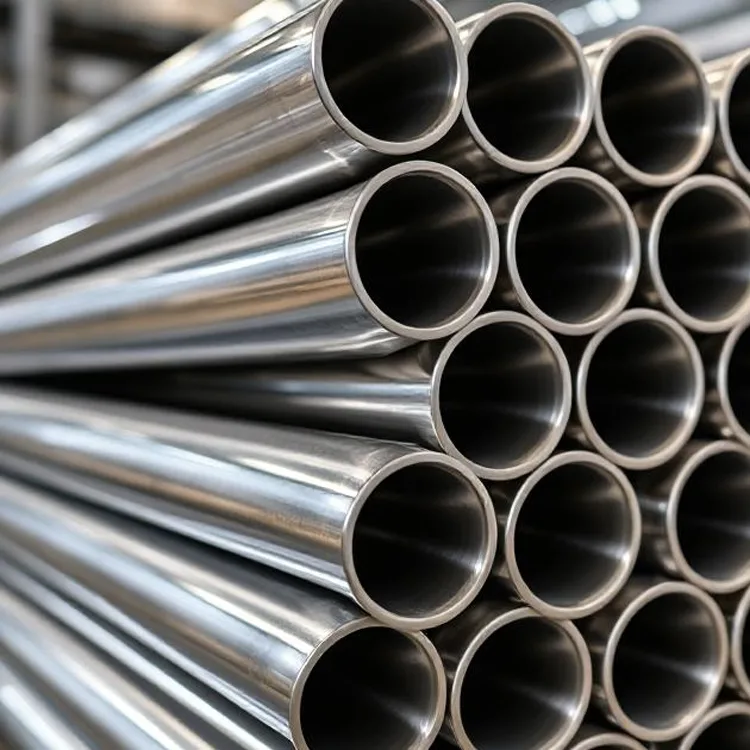
Depending on the project requirements, pipes can be supplied in seamless or welded construction, with dimensions, wall thicknesses, lengths, and surface finishes selected according to application requirements. Seamless pipes are often considered where pressure integrity and uniform construction are particularly important, while welded pipes can provide economical solutions for larger diameters and fabricated piping systems.
Chemical Composition and Mechanical Performance
The chemical composition of Inconel 625 is a major reason for its suitability in severe service. Nickel provides the alloy's corrosion-resistant foundation, while chromium improves oxidation resistance. Molybdenum strengthens resistance to localized corrosion, and niobium works with molybdenum to improve strength without requiring precipitation-hardening treatments.
Inconel 625 also offers strong tensile and yield properties, good fatigue resistance, and useful toughness. These characteristics make the material suitable for piping systems exposed to pressure, vibration, thermal cycling, and corrosive fluids. Its performance can vary according to product form, heat treatment, dimensions, and applicable specification, so buyers should verify the material certificate and required mechanical values before procurement.
International Standards for Inconel 625 Pipes
For industrial purchasing, standards are an important part of material selection. Inconel 625 Pipes are commonly associated with specifications such as ASTM B444, ASME SB444, and related nickel-alloy product requirements. UNS N06625 is the commonly recognized UNS designation for Alloy 625.
Buyers should confirm the exact ASTM or ASME specification based on pipe type, dimensions, manufacturing route, pressure requirements, and end-use application. Depending on the project, additional requirements may cover chemical analysis, tensile testing, hydrostatic or nondestructive examination, dimensional inspection, heat treatment, and marking. European projects may also require EN documentation or project-specific compliance, while international purchasers can request inspection certificates and traceability documentation.
Why Industries Choose Inconel 625
One of the strongest advantages of Inconel 625 Pipes is their ability to maintain corrosion resistance in aggressive environments. The alloy performs particularly well where chlorides, seawater, acids, and other corrosive substances can attack conventional materials. It is also resistant to oxidation and scaling under many elevated-temperature conditions.
This performance makes the alloy useful in offshore equipment, chemical processing systems, marine piping, heat exchangers, aerospace components, pollution-control equipment, and specialized power-generation applications. Its combination of strength and corrosion resistance can reduce the need for frequent replacement and maintenance when the material is correctly specified for the service environment.
Applications of Inconel 625 Pipes
Inconel 625 Pipes are used across several demanding sectors. In the oil and gas industry, they can be selected for sour-service environments, offshore equipment, subsea systems, and piping exposed to corrosive production fluids. In chemical processing, the alloy is suitable for equipment carrying aggressive chemicals where corrosion resistance is a primary concern.
The marine and offshore sector uses nickel alloy piping for seawater-related applications because of its resistance to chloride-induced corrosion. Aerospace and power-generation applications can also benefit from its combination of strength, toughness, and high-temperature performance. Pollution-control systems, flue-gas equipment, and specialized heat-treatment installations are additional areas where Inconel 625 can provide value.
Choosing Reliable Inconel 625 Pipes Manufacturers
When purchasing critical nickel alloy piping, buyers should evaluate more than price. Inconel 625 Pipes Manufacturers should be capable of providing consistent material quality, accurate dimensions, appropriate heat treatment, and complete traceability. Documentation such as mill test certificates, chemical composition reports, mechanical test results, and inspection records can help verify compliance.
For international projects, buyers should also check packaging, marking, export documentation, inspection requirements, and delivery capability. A manufacturer experienced in nickel alloys can help identify the appropriate pipe grade, specification, size, schedule, and manufacturing condition according to the intended application.
Working With Inconel 625 Pipes Suppliers and Stockists
Experienced Inconel 625 Pipes Suppliers can support projects by offering different dimensions, pipe schedules, lengths, and finishes according to engineering requirements. This is particularly useful when projects require both standard sizes and customized specifications.
Inconel 625 Pipes Stockists can provide an additional advantage when immediate material availability is important. Maintaining inventory of commonly requested sizes can shorten procurement timelines and help engineering contractors avoid delays caused by long manufacturing schedules. Before placing an order, buyers should confirm available sizes, heat numbers, certification, inspection requirements, and actual stock status.
Inconel 625 Pipes for International Buyers
Global demand for nickel alloy piping continues across industries that require reliable materials for corrosive and high-temperature service. Inconel 625 Pipes Exporters serving international customers should understand export packaging, documentation, inspection procedures, and destination-country requirements.
For buyers sourcing from India, working with established Inconel 625 Pipes Manufacturers in India can provide access to a broad manufacturing and fabrication network. Indian suppliers can serve domestic projects as well as overseas requirements, subject to the applicable technical and commercial specifications.
Likewise, Inconel 625 Pipes Suppliers in India can assist buyers with material selection, standard sizes, custom requirements, testing documentation, and shipment coordination. For projects requiring faster availability, Inconel 625 Pipes Stockists in India may offer ready inventory in frequently requested dimensions and specifications.
For international procurement, Inconel 625 Pipes Exporters in India can support shipments to sectors across the Middle East, Europe, North America, Southeast Asia, and other industrial markets. Buyers should always verify the applicable specification, quantity, inspection requirements, certificates, packaging, and delivery terms before confirming an export order.
Quality Testing and Inspection
Quality control is essential for Inconel 625 piping because these products are often installed in safety-critical or high-value industrial systems. Depending on the applicable specification and purchase order, inspection may include chemical composition testing, tensile testing, hardness testing, dimensional inspection, hydrostatic testing, ultrasonic examination, radiographic testing, and visual inspection.
Material traceability is equally important. Heat numbers, test certificates, manufacturing records, and inspection reports allow buyers to verify that the supplied pipes correspond to the approved material specification. Third-party inspection can also be arranged when required by an engineering contractor or end user.
Final Considerations for Inconel 625 Pipe Selection
Choosing Inconel 625 Pipes should be based on the complete operating environment rather than corrosion resistance alone. Temperature, pressure, fluid chemistry, chloride concentration, pipe dimensions, welding requirements, fabrication conditions, and applicable standards all influence the final material selection.
With its excellent resistance to pitting, crevice corrosion, stress-corrosion cracking, oxidation, and many aggressive chemicals, Inconel 625 remains a strong option for demanding industrial piping systems. Selecting qualified Inconel 625 Pipes Manufacturers, Suppliers, Stockists, and Exporters and verifying material certification can help buyers achieve dependable performance, long service life, and consistent quality.