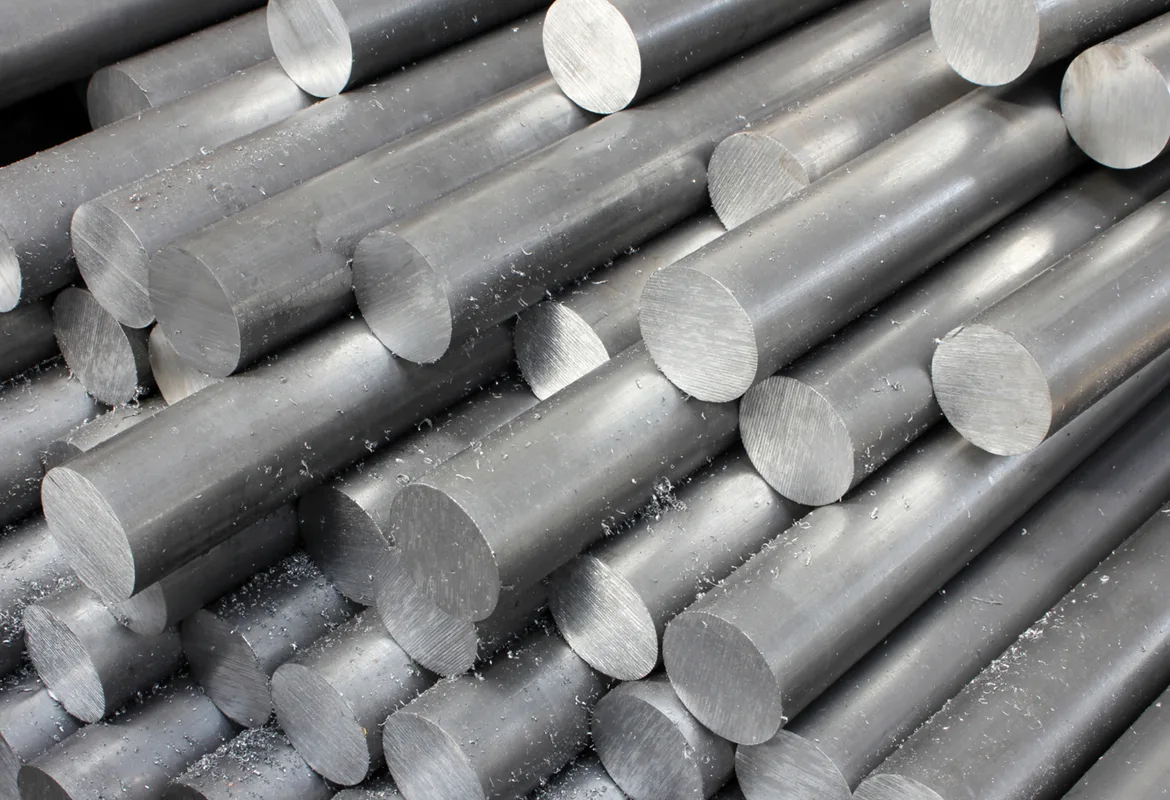
Inconel 600 Seamless Tubes for High-Temperature and Corrosion-Resistant Industrial Applications
Inconel 600 Seamless Tubes are widely used in industrial environments where high-temperature strength, oxidation resistance, and reliable performance are essential. Manufactured from a nickel-chromium-iron alloy, these tubes offer excellent resistance to corrosion in various chemical environments and maintain their structural stability under elevated temperatures. Industries such as chemical processing, petrochemicals, power generation, heat treatment, aerospace, and thermal engineering depend on this alloy for demanding applications. Its combination of nickel content and chromium protection makes it a suitable material for equipment exposed to heat, steam, and corrosive process conditions.
When selecting tubing for critical industrial systems, buyers must consider material composition, dimensional accuracy, manufacturing quality, and applicable specifications. Inconel 600 UNS N06600, also known as Alloy 600, is valued for its resistance to chloride-ion stress-corrosion cracking in many environments and its ability to withstand oxidation at high temperatures. The seamless construction eliminates the longitudinal weld seam, making these tubes suitable for applications where uniform material integrity and dependable pressure performance are important. However, the final suitability depends on operating temperature, pressure, fluid chemistry, wall thickness, and the relevant design code.
What Are Inconel 600 Seamless Tubes?
Inconel 600 Seamless Tubes are hollow tubular products manufactured from nickel-chromium-iron alloy without a welded joint along their length. The material generally contains a high proportion of nickel, approximately 14–17% chromium, and around 6–10% iron, with controlled amounts of other elements. Nickel contributes to corrosion resistance and stability, while chromium improves resistance to oxidation and other high-temperature degradation mechanisms. These characteristics allow the alloy to perform in environments where ordinary stainless steel tubing may not meet the required service conditions.
The seamless manufacturing process typically involves forming a hollow billet and reducing it through hot working, cold drawing, or other controlled operations to achieve the required outside diameter and wall thickness. Depending on the specification and order, tubes may undergo heat treatment, pickling, straightening, dimensional inspection, and mechanical testing. Buyers should confirm the applicable product specification because ASTM B167 is commonly associated with nickel-chromium-iron alloy seamless pipes and tubes, while ASTM B163 covers seamless condenser and heat-exchanger tubes made from specified nickel alloys. The correct standard depends on the intended application and procurement requirements.
Chemical Composition and Mechanical Properties
The chemical composition of Inconel 600 supports its performance across a broad range of industrial environments. Its nickel-rich structure offers resistance to many organic and inorganic compounds, while chromium contributes to oxidation resistance. The alloy also provides useful mechanical properties at both ambient and elevated temperatures. These characteristics make it suitable for furnace components, heat exchangers, chemical equipment, and other systems exposed to thermal cycling or corrosive operating conditions.
Mechanical properties vary with product form, dimensions, heat treatment, and the governing specification. Therefore, purchasers should refer to the relevant material standard and the manufacturer's test certificate rather than relying on generic property values. Important inspection parameters include tensile strength, yield strength, elongation, hardness where specified, and dimensional tolerances. For pressure-bearing applications, engineering calculations must also account for the operating conditions, allowable stress values, corrosion allowance where applicable, and the requirements of the applicable design code.
Major Applications Across Industrial Sectors
The versatility of Inconel 600 Seamless Tubes makes them useful across several sectors where heat resistance and corrosion performance are important. In chemical processing plants, they can be specified for heat-transfer equipment, process tubing, and selected corrosive-service systems. Petrochemical facilities may use the alloy in components exposed to elevated temperatures, depending on the process chemistry and design requirements. Power generation and thermal engineering applications may include furnace assemblies, heat exchangers, and equipment exposed to hot gases or steam.
In heat-treatment operations, the alloy is used for furnace-related components because of its resistance to oxidation and its ability to retain useful mechanical properties at elevated temperatures. Aerospace and specialist engineering applications may also use Inconel 600 where the material meets the relevant design and qualification requirements. Nevertheless, the alloy is not universally resistant to every corrosive medium. Buyers should evaluate exposure to strongly oxidizing acids, sulfur-containing environments, molten salts, and other aggressive chemicals before finalizing material selection.
Why Seamless Construction Matters
Seamless tubes are produced without a longitudinal weld, providing a uniform tubular structure that can be beneficial in demanding service conditions. Their suitability for pressure, temperature, and cyclic loading depends on the alloy condition, tube dimensions, manufacturing quality, and applicable design requirements. The absence of a welded seam can simplify certain inspection and engineering considerations, although it does not eliminate the need for comprehensive quality control.
When comparing available products, buyers should assess outside diameter, wall thickness, length, straightness, surface finish, and dimensional tolerances. The required finish may differ between heat-exchanger tubing, general industrial tubing, and precision-engineered components. Depending on the specification, supply requirements may include solution-annealed material, particular surface conditions, positive material identification, and traceable test documentation. Selecting the correct combination helps reduce fabrication issues and supports consistent performance throughout the equipment's service life.
International Standards, Inspection, and Quality Assurance
Industrial procurement requires careful verification of the applicable material and product standards. Inconel 600 seamless tubing is commonly associated with ASTM B167 and, for specified heat-exchanger applications, ASTM B163. ASME-related requirements may apply when the tubing is used in equipment governed by the relevant ASME construction code. European projects may also require conformity with applicable EN requirements, project-specific documentation, or additional inspection procedures. Buyers should verify the precise standard, product form, and code edition before placing an order rather than assuming that all international standards are interchangeable.
Quality assurance may include chemical analysis, tensile testing, dimensional verification, visual inspection, and other examinations required by the purchase specification. Non-destructive testing, hydrostatic testing where applicable, and positive material identification may be requested according to the intended service and governing requirements. Mill test certificates should identify the material grade, heat or lot number, applicable specification, and test results. For critical installations, purchasers should also confirm material traceability, inspection release requirements, packaging, and documentation before dispatch.
Selecting a Reliable Supply Partner
Choosing an experienced supply partner is an important step when procuring nickel alloy tubing for industrial projects. Buyers typically compare product availability, specification compliance, material traceability, inspection capabilities, delivery schedules, and the supplier's ability to support project documentation. The supplier should understand the difference between general-purpose tubing and products intended for heat exchangers, pressure equipment, or other specialized applications.
Businesses evaluating Inconel 600 Seamless Tubes Manufacturers should confirm manufacturing capabilities, applicable standards, and quality-control procedures. A clear technical review helps ensure that the supplied material matches the approved drawings and purchase specifications.
For procurement teams comparing Inconel 600 Seamless Tubes Suppliers, important considerations include available sizes, required wall thicknesses, material condition, test certification, and delivery commitments. Buyers should also confirm whether the supplier can meet project-specific inspection and documentation requirements.
Companies searching for Inconel 600 Seamless Tubes Stockists may prioritize ready inventory, traceable material identification, and the ability to supply required quantities within project deadlines. Stock availability should always be verified against the precise grade, dimensions, and specification.
International procurement teams assessing Inconel 600 Seamless Tubes Exporters should evaluate export packaging, shipping documentation, country-specific requirements, and coordination with inspection agencies where needed. Appropriate protection during transportation helps prevent surface damage, contamination, and handling-related problems.
Inconel 600 Seamless Tubes in the Indian Market
India serves a broad industrial market for nickel alloys used in chemical processing, power generation, engineering, and high-temperature equipment. Buyers looking for Inconel 600 Seamless Tubes Manufacturers in India should assess technical capabilities, production or sourcing arrangements, quality documentation, and the ability to meet the specified material standard. Clear communication regarding dimensions, tolerances, testing, and delivery requirements can help simplify procurement.
For domestic projects requiring dependable material availability, Inconel 600 Seamless Tubes Suppliers in India can be evaluated according to their technical support, documentation practices, and ability to fulfil purchase orders accurately. Buyers should request material test certificates and confirm grade identification before accepting deliveries, particularly when the tubes will be used in critical equipment.
Project contractors and maintenance teams comparing Inconel 600 Seamless Tubes Stockists in India should verify stock quantities, manufacturing origin where relevant, and the exact dimensions available. This is particularly important for shutdown maintenance, replacement tubing, and projects operating under strict delivery schedules. Material substitutions should only be accepted after engineering approval.
For overseas customers purchasing through Inconel 600 Seamless Tubes Exporters in India, export experience, shipment coordination, packaging quality, and documentation accuracy are important considerations. International buyers should communicate the destination country's requirements, applicable standards, inspection expectations, and delivery terms before confirming an order. These checks help reduce procurement delays and support a smoother supply process.
Key Considerations Before Placing an Order
Before purchasing Inconel 600 Seamless Tubes, buyers should prepare a clear technical specification covering alloy designation, applicable standard, outside diameter, wall thickness, length, quantity, material condition, and inspection requirements. The intended operating temperature, pressure, and process medium should also be reviewed by the responsible engineering team. These details help prevent incorrect material selection and ensure that quotations reflect the actual project requirements.
It is equally important to review the test certificate, heat number traceability, dimensional inspection records, and any additional testing required by the purchase order. Packaging and storage conditions should protect the tubes against mechanical damage and contamination. For export shipments, purchasers should confirm marking, packing lists, certificates, and shipping documentation before dispatch. A well-defined procurement process improves material consistency and helps maintain project quality from delivery through installation.
Conclusion
Inconel 600 Seamless Tubes offer a valuable combination of nickel-alloy corrosion resistance, oxidation resistance, and high-temperature performance for demanding industrial applications. Their use in chemical processing, heat exchangers, furnace equipment, power generation, and specialist engineering makes correct material selection essential. By evaluating the applicable standards, dimensions, mechanical requirements, operating environment, and quality documentation, buyers can select tubing that meets their technical and commercial needs. Working with a qualified supply partner and verifying material traceability at every stage further supports reliable installation and long-term equipment performance.