
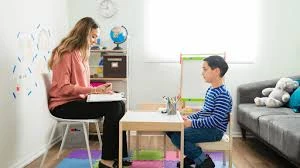
Every child learns differently, moves at their own pace, and thrives under unique conditions. For children on the autism spectrum, receiving the right kind of support can shape their confidence, independence, and long-term development in meaningful ways. Among the many interventions available, one approach that continues to stand out is in-home ABA therapy, a model that pairs evidence-based practices with the comfort and familiarity of a child’s home environment.
Parents often wonder what makes learning at home so effective compared to clinic-based sessions, and the answer lies in one powerful idea: when learning happens in the places a child lives, plays, and interacts every day, the skills gained become easier to use in real life. This connection is what makes home-based support deeply impactful—not just for the child, but for the entire family.
This blog explores how in-home behavioral therapy works, why it can be an excellent match for many learners, and how it provides personalized autism support that fosters meaningful growth.
Why the Home Environment Matters for Learning
The home is naturally a child’s first learning environment. It’s where routines form, communication patterns develop, and daily challenges or successes take shape. Bringing behavioral therapy into this space means skills are practiced in real situations—during meals, playtime, bedtime routines, or interactions with siblings.
Learning inside the home has several advantages:
1. Comfort and Reduced Anxiety
Many children feel more relaxed in familiar surroundings. A comfortable child is more open to learning, trying new skills, and engaging in longer sessions. This ease often accelerates progress because there are fewer external stressors to manage.
2. Real-Life Skill Building
When teaching happens where skills will be used, the child learns naturally and meaningfully. Tasks such as brushing teeth, putting on shoes, waiting for a turn, or asking for help translate seamlessly into the child’s day-to-day routines.
3. Consistency Across Environments
Therapists can observe real patterns—what triggers frustration, what motivates the child, what routines are challenging—and build strategies that fit the home dynamic. This consistency makes it easier for children to generalize skills to other settings, such as school or community outings.
4. Family Involvement and Empowerment
Parents and caregivers gain tools and coaching so learning doesn’t end when the session does. When family members learn effective communication strategies and behavior supports, the child benefits from a more unified, supportive environment.
How ABA Principles Work at Home
Applied Behavior Analysis (ABA) focuses on understanding behaviors and teaching skills using clear, structured methods. At home, these principles unfold in everyday activities:
Breaking Skills into Small Steps
Complex behaviors—like getting ready for bed or asking a question—are broken down into manageable pieces. This ensures children can master one small step at a time, building confidence as they go.
Positive Reinforcement
Motivation is key. Positive reinforcement helps children stay engaged by connecting effort and progress with rewards they enjoy, such as praise, play, or favorite items. Over time, they learn that positive behaviors lead to positive outcomes.
Adjusting Strategies Based on Progress
Therapists continuously track what’s working and what isn’t. This data-driven approach ensures teaching methods evolve with the child’s growth.
Building Independence
The long-term goal is often independence—communication, self-care, emotional regulation, and social interaction. Skills that build independence naturally become part of daily routines at home.
Skills Children Commonly Learn in Home-Based Sessions
Although every child’s program is uniquely designed, home-based support often focuses on several key developmental areas:
Communication Skills
Children may work on asking for items, expressing emotions, responding to questions, or using assistive communication systems when needed. Building communication reduces frustration and promotes confidence.
Social and Play Skills
Therapists teach turn-taking, sharing, joint attention, and meaningful interaction with family members or peers. Since these skills emerge naturally at home, children receive plenty of organic practice.
Daily Living Skills
To increase independence, sessions may include skills such as dressing, brushing teeth, feeding, using utensils, organizing toys, or following routines.
Emotional Regulation
Children learn to identify emotions, use coping strategies, and handle challenges with more confidence. Understanding and managing emotions can improve overall behavior and reduce meltdowns or frustration.
Academic Readiness
Depending on age, in-home learning may include early literacy, counting, matching, motor skills, and other foundational abilities needed for school success.
The Importance of Individualized, Child-Led Learning
Children on the autism spectrum have a wide range of strengths, interests, and learning styles. A supportive learning model recognizes and honors these differences. At home, sessions are tailored to the child’s pace, preferences, and sensory needs.
This is where personalized autism support plays a meaningful role. By observing the child in their natural environment, therapists gain insight into what engages them the most—favorite toys, calming activities, topics of interest, or sensory preferences. Using these tools makes learning feel more like play, which leads to stronger participation and better outcomes.
Therapy should never feel forced. Instead, child-led learning encourages curiosity, independence, and natural development. When children have a say in the activities or materials used, they connect more deeply with the learning process.
Supporting the Entire Family
One of the biggest advantages of home-based sessions is the opportunity for family involvement. Parents often gain:
- Strategies to reduce challenging behaviors
- Tools for encouraging communication
- A clearer understanding of why certain behaviors occur
- Confidence in supporting their child’s progress outside of sessions
Therapists may model techniques, coach caregivers directly, or guide families through step-by-step routines. This creates a shared approach at home, which strengthens learning and reduces stress.
Building Long-Term Growth and Independence
Skills taught through home-based programs are designed to last. Since therapy takes place in the child’s everyday environment, real progress can be seen in areas such as:
- Following instructions
- Handling transitions
- Expressing needs
- Playing with siblings
- Completing daily routines
- Participating in school tasks
- Managing emotions
Over time, many children become more independent, more confident, and more prepared for school and social experiences. The growth is gradual but meaningful, supported by consistent teaching and nurturing encouragement.
A Space Where Children Can Be Their True Selves
One of the most powerful aspects of home-based behavioral support is the opportunity for children to learn and grow while being authentically themselves. The home gives children permission to express both strengths and challenges without judgment. It’s a place where progress doesn’t need to be perfect—it just needs to be genuine.
Families often appreciate seeing learning happen in real time and having the chance to celebrate small wins that add up to transformative progress.
Final Thoughts
Every child deserves support that recognizes their potential, celebrates their individuality, and guides them toward meaningful growth. Home-based behavioral therapy offers a flexible, compassionate, and effective approach that brings learning directly into the spaces where children feel most secure.
By blending structured teaching methods with the comfort of the home and the involvement of the family, in-home ABA therapy becomes a powerful path toward confidence, independence, and lifelong skills. When combined with thoughtful, personalized autism support, it creates an environment where children can learn, explore, and truly flourish.