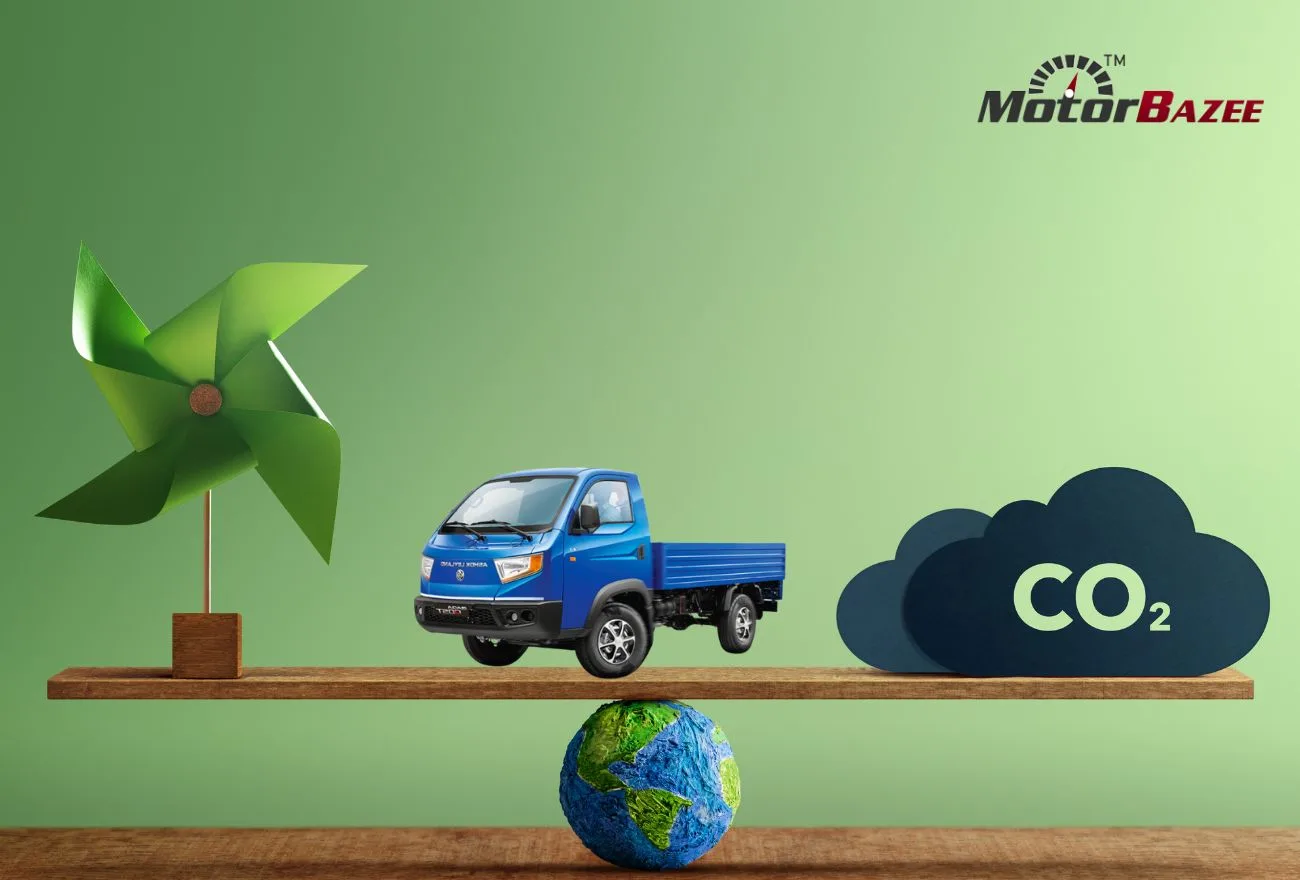
The Bharat Zero Emission Trucking Policy is a significant initiative by the Government of India aimed at accelerating the adoption of zero-emission trucks (ZETs) across the country. As India works toward achieving its climate goals and reducing carbon emissions, this advisory provides a clear roadmap for transitioning the freight transportation sector to cleaner and more sustainable technologies. The policy emphasizes the use of electric trucks, hydrogen fuel-cell vehicles, and other zero-emission technologies to reduce dependence on fossil fuels.
Visit Us:- Important Points of the Advisory on Bharat Zero Emission Trucking Policy
One of the key highlights of the Bharat Zero Emission Trucking Policy is its focus on lowering greenhouse gas emissions from the commercial transport sector. Heavy-duty trucks contribute significantly to air pollution and carbon emissions, making their electrification essential for a greener future. The advisory encourages fleet operators, logistics companies, and vehicle manufacturers to invest in clean transportation solutions.
Another important aspect of the policy is the development of charging and hydrogen refueling infrastructure. The government recognizes that widespread adoption of zero-emission trucks requires a robust network of charging stations along major highways, industrial corridors, and logistics hubs. Public-private partnerships are expected to play a crucial role in building this infrastructure.
The advisory also recommends providing financial incentives and policy support to encourage businesses to switch to zero-emission trucks. These may include subsidies, tax benefits, low-interest financing, and reduced registration fees. Such incentives aim to offset the higher upfront cost of electric and hydrogen-powered trucks while promoting long-term operational savings.
In addition, the Bharat Zero Emission Trucking Policy promotes domestic manufacturing under the Make in India initiative. By supporting local production of electric trucks, batteries, fuel cells, and related components, the policy seeks to strengthen India's automotive industry, create employment opportunities, and reduce import dependence.
The advisory further highlights the importance of research, innovation, and skill development. Investments in advanced battery technology, vehicle efficiency, charging solutions, and workforce training are essential to ensure the successful implementation of zero-emission trucking across India.
Overall, the Bharat Zero Emission Trucking Policy serves as a strategic framework for transforming India's freight transport sector into a cleaner, more efficient, and environmentally responsible industry. By promoting sustainable mobility, reducing fuel costs, improving air quality, and supporting economic growth, the policy is expected to play a vital role in India's transition toward a low-carbon transportation future. Businesses, policymakers, and logistics stakeholders are encouraged to collaborate in achieving the ambitious vision of zero-emission freight transportation.