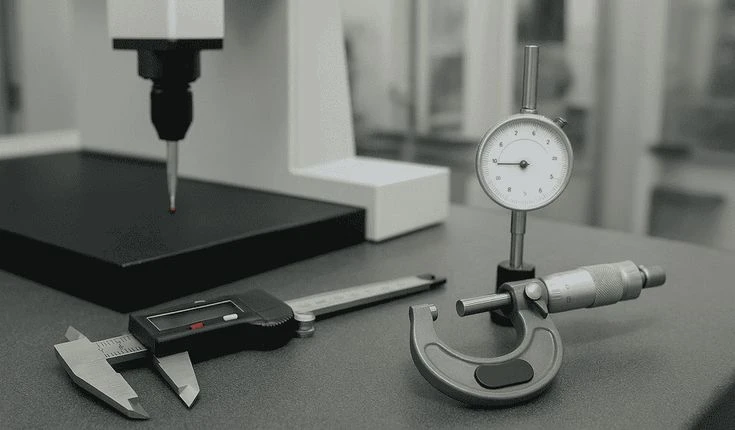
Precision and accuracy are essential in today's rapidly changing industrial world to ensure quality, safety, and efficiency. Industries such as manufacturing, healthcare, aircraft, energy, and laboratories rely largely on precise measurements to guarantee that their processes function properly. Calibration services are very important in this situation. Calibration services assist businesses in maintaining consistency, meeting regulatory standards, and avoiding costly errors by assuring that instruments and equipment produce accurate readings.
Calibration is the process of comparing a measuring device to a recognized standard and correcting it to eliminate deviations. Regular usage, environmental conditions, and wear and tear can all cause equipment to lose accuracy over time. Even high-quality devices might generate wrong findings if not calibrated properly, resulting in faulty goods, safety problems, and inefficiencies in operations.
One of the primary reasons calibration services are crucial in modern industries is quality assurance. In manufacturing, for example, accurate measurements are required to produce products that match certain requirements and client expectations. A minor inaccuracy in measurement tools can result in inconsistencies, product problems, and increased waste. Regular calibration ensures that all equipment performs accurately, which leads to higher product quality and less rework.
Another critical factor is adhering to industry regulations. Many industries follow tight standards, such as ISO certifications, which require equipment calibration on a regular basis. Calibration services assist firms in meeting these standards by providing recorded verification that their instruments are performing properly. This not only helps during audits, but it also improves the company's credibility and reputation in the marketplace.
Safety is also a big concern in businesses that require accurate measurements. In fields like healthcare, engineering, and energy, faulty readings can have catastrophic repercussions. For example, inaccurate temperature or pressure measurements might lead to equipment failure or even dangerous conditions. Calibration services reduce these dangers by ensuring that instruments provide accurate data, which improves worker safety.
In addition to quality and safety, calibration services improve operational efficiency. Accurate instruments lower the likelihood of errors, resulting in less downtime and production delays. When equipment operates correctly, operations become more streamlined, resulting in increased production and improved resource management. This efficiency ultimately leads to cost reductions for enterprises.
Furthermore, calibration services help to extend the life of equipment. Regular maintenance and adjustments reduce wear and tear, allowing instruments to work more efficiently for longer periods of time. This decreases the need for frequent replacements, lowering total operating expenses.
Modern calibration services have evolved in response to technological advancements. Many service providers today rely on digital tools and automated systems to offer very accurate results. They also provide flexible choices, such as on-site calibration, which enables firms to maintain their equipment without disturbing everyday operations.
To summarize, calibration services are a vital component of modern industries. They improve accuracy, quality control, safety, and help firms meet industry standards. Businesses who invest in frequent calibration can increase efficiency, decrease risks, and preserve a competitive advantage in today's demanding market.