
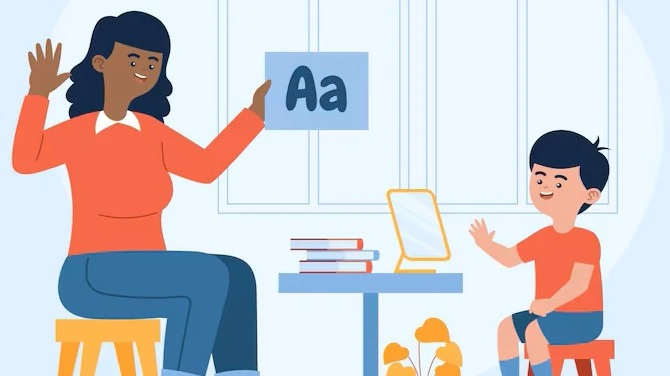
Early childhood is one of the most critical stages of human development. During the ages of three to five, children are not only learning how to speak more fluently and interact with others but also beginning to build the foundational skills that will influence their academic journey for years to come. Parents who recognize the importance of these early years often seek additional educational support, and one of the most effective ways to nurture growth is by working with a qualified Pre-K tutor.
In this article, we’ll explore why Pre-K tutoring is so impactful, what areas it covers, how it supports both children and parents, and why investing in early education provides lifelong benefits.
Why Early Childhood Education Matters
Decades of research show that children who receive quality early childhood education develop stronger cognitive, social, and emotional skills. The brain develops more rapidly during these early years than at any other point in life, making it the perfect time to nurture skills like language, problem-solving, and curiosity.
Pre-K education isn’t only about learning the alphabet or counting numbers; it’s about developing the ability to focus, explore, and build confidence. When children receive targeted guidance, their transition into kindergarten and beyond becomes smoother and more successful.
What a Pre-K Tutor Provides
A professional Pre-K tutor focuses on preparing young learners for the structured environment of school. Unlike general daycare settings, tutoring provides individualized attention that caters to a child’s unique needs. Key areas of focus include:
1. Language and Literacy Development
Tutors help children expand their vocabulary, recognize letters, and begin phonics-based reading. This early exposure to language builds confidence in communication and sets the stage for future reading fluency.
2. Early Math Skills
Foundational math concepts such as number recognition, counting, sorting, and understanding patterns are introduced in fun and engaging ways. A strong foundation in these areas helps prevent math anxiety later in school.
3. Social and Emotional Skills
Tutors guide children through activities that teach patience, sharing, following directions, and working cooperatively. These soft skills are as critical as academic readiness.
4. Fine Motor and Cognitive Development
Activities like drawing, cutting, and puzzles enhance motor skills, while interactive games strengthen problem-solving and memory skills.
5. Kindergarten Readiness
A tutor ensures that children are comfortable with the classroom structure—sitting for lessons, listening attentively, and following routines—which minimizes adjustment difficulties when formal schooling begins.
The Advantages of a Pre-K Tutor
Parents often wonder whether tutoring at such a young age is necessary. The truth is, while children are naturally curious and absorb information quickly, professional guidance ensures that their development is consistent and balanced.
Personalized Attention
In group preschool settings, teachers must divide their focus among many students. A tutor, however, tailors lessons to a child’s pace and learning style.
Confidence Building
Children who master early skills with a tutor enter kindergarten with confidence, making them more willing to participate in class activities.
Bridging Gaps
If a child is struggling in certain areas, a tutor can provide targeted support, preventing learning gaps from widening over time.
Parental Support
Tutors not only work with children but also guide parents on effective at-home practices, creating a collaborative learning environment.
How Pre-K Tutoring Differs from Regular Childcare
Many parents rely on daycare or preschool for their children, but tutoring serves a distinct purpose. Daycare provides supervision and basic activities, while preschool focuses on structured group learning. Tutoring, on the other hand, zeroes in on individual growth.
For instance, a child struggling to recognize letters may fall behind in a preschool setting, but a tutor can dedicate time to reinforce phonics in a way that clicks. Similarly, a child who is excelling can be challenged with more advanced activities to keep them engaged and motivated.
Long-Term Benefits of Early Tutoring
The benefits of working with a Pre-K tutor extend well beyond the preschool years. Studies consistently show that children with strong early education foundations are more likely to:
- Perform better academically in elementary school and beyond.
- Develop stronger problem-solving and critical-thinking skills.
- Exhibit higher levels of self-esteem and confidence.
- Stay engaged in learning throughout their lives.
In essence, early tutoring doesn’t just prepare children for kindergarten—it sets them on a trajectory for long-term academic and personal success.
Choosing the Right Pre-K Tutor
Not all tutors are created equal, especially when it comes to working with very young children. Parents should look for:
- Experience with early childhood education – Tutors should understand developmental milestones and how to adapt lessons to them.
- Engaging teaching methods – Learning at this stage must be fun, using play-based approaches to capture attention.
- Patience and nurturing qualities – A good Pre-K tutor balances structure with warmth, creating a safe environment for growth.
- Strong communication with parents – Collaboration ensures consistency between tutoring sessions and home learning.
When these qualities are present, tutoring becomes an enjoyable and transformative experience for the child.
The Role of Play in Tutoring
One of the unique aspects of Pre-K tutoring is the integration of play into learning. At this stage, children learn best when activities are engaging, colorful, and interactive. For example:
- Storytelling with props builds imagination and literacy skills.
- Counting games with toys make math concepts more relatable.
- Arts and crafts improve fine motor skills while encouraging creativity.
- Role-playing games enhance social and emotional learning.
By combining fun with structured learning, tutors keep children motivated while ensuring progress.
How Parents Can Support Tutoring at Home
Tutoring is most effective when reinforced at home. Parents can:
- Read aloud to children daily.
- Encourage open-ended questions that spark curiosity.
- Provide opportunities for hands-on learning, like cooking or gardening.
- Limit screen time and encourage active, creative play.
When parents actively participate, children develop stronger connections between tutoring sessions and everyday life.
Conclusion
The early years are a window of opportunity for shaping a child’s future. By investing in a Pre-K tutor, parents provide their children with individualized attention, skill-building opportunities, and the confidence needed to thrive in kindergarten and beyond.
Tutoring at this stage isn’t about pushing children too hard—it’s about nurturing their natural curiosity, guiding them through important developmental milestones, and giving them the best possible start in life. With the right support, every child has the potential to enter school not just prepared, but excited to learn.