
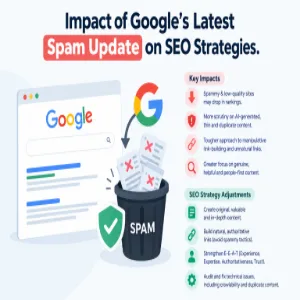
Google's latest spam update is a reminder that sustainable search visibility depends on more than keywords and backlinks. Websites must follow search guidelines, publish useful content, and provide a reliable user experience to maintain their organic performance.
According to Search Engine Journal, Google began rolling out its September 2026 spam update on September 24, applying it globally across all languages. The rollout was completed on October 8, 2026. Although Google has not confirmed which specific spam practices the update targets, businesses should use this development as an opportunity to review their SEO strategies.
What Does Google's Latest Spam Update Mean for Websites?
Google regularly improves its automated spam detection systems to identify websites that attempt to manipulate search rankings. These updates can affect organic visibility, making it important for businesses to assess their content quality, link-building practices, and overall compliance with Google's spam policies.
Websites relying on manipulative tactics may experience ranking declines or lose visibility in search results. However, a drop in traffic does not automatically indicate a spam-related issue. Businesses should examine Search Console data and investigate other possible causes before making significant changes.
4 SEO Strategies to Prioritize After the Update
1. Focus on Original, Helpful Content
Publishing large volumes of repetitive or unhelpful content can weaken a website's overall value. Instead, create content that answers real customer questions, demonstrates subject expertise, and provides practical insights.
Review existing pages for outdated information, unnecessary repetition, and content that offers little value beyond what is already available online. AI tools can support research and content development, but the final material should demonstrate accuracy, originality, and human editorial oversight.
2. Review Your Backlink Profile
Backlinks can support SEO when they come from relevant, credible sources. However, paid links intended to manipulate rankings, link schemes, and other artificial link-building practices can create risks.
Evaluate your link acquisition methods and prioritize editorial mentions, useful resources, digital PR, and genuine industry relationships. Avoid shortcuts that promise rapid ranking improvements through large volumes of questionable links.
3. Strengthen Technical SEO and Website Quality
Technical issues can affect how search engines discover, crawl, and index important pages. Check for broken links, accidental indexing restrictions, duplicate URLs, and slow-loading pages.
Also, review your website's navigation and mobile experience. A technically sound website helps search engines understand its content and allows visitors to find relevant information efficiently.
4. Reassess Your SEO Investment
Businesses should evaluate SEO performance using organic traffic, qualified leads, conversions, and revenue rather than rankings alone.
Working with providers offering Professional SEO services can help businesses identify potential compliance issues, improve content quality, and develop a sustainable optimization plan.
When comparing SEO Services Packages, look beyond the number of keywords or backlinks included. Prioritize transparent reporting, technical audits, content optimization, and ethical link-building practices aligned with your business objectives.
How Should Businesses Monitor Performance?
Use Google Search Console and analytics tools to compare impressions, clicks, rankings, and conversions before, during, and after the update. Look for sustained changes rather than reacting to short-term fluctuations.
If a decline persists, review Google's spam policies, investigate affected pages, and correct any identified issues. Recovery is not immediate or guaranteed, as Google's systems may take time to reassess a website.
Conclusion
Google's September 2026 spam update reinforces the importance of sustainable, user-focused SEO. Businesses that invest in original content, responsible link building, sound technical foundations, and meaningful performance measurement are better positioned to build long-term search visibility.
ValueHits helps businesses develop SEO strategies focused on quality, compliance, and measurable growth. By prioritizing long-term value over ranking shortcuts, brands can build a stronger foundation for organic search performance.