Imagine shipping delicate equipment, expensive electronics, or precision machinery across long distances, only to discover damage when the package arrives. The outer packaging may look perfectly fine, but the product inside could have experienced a sudden drop, collision, or rough handling during transit. This is where an impact detector becomes an important tool for improving shipment visibility and handling accountability.
Designed to indicate when a package or product experiences a potentially damaging impact, an impact detector helps businesses identify possible handling issues and determine when further inspection may be necessary. For companies that regularly transport fragile, sensitive, or high-value goods, it offers a practical way to monitor the risks associated with shipping and storage.
What Is an Impact Detector?
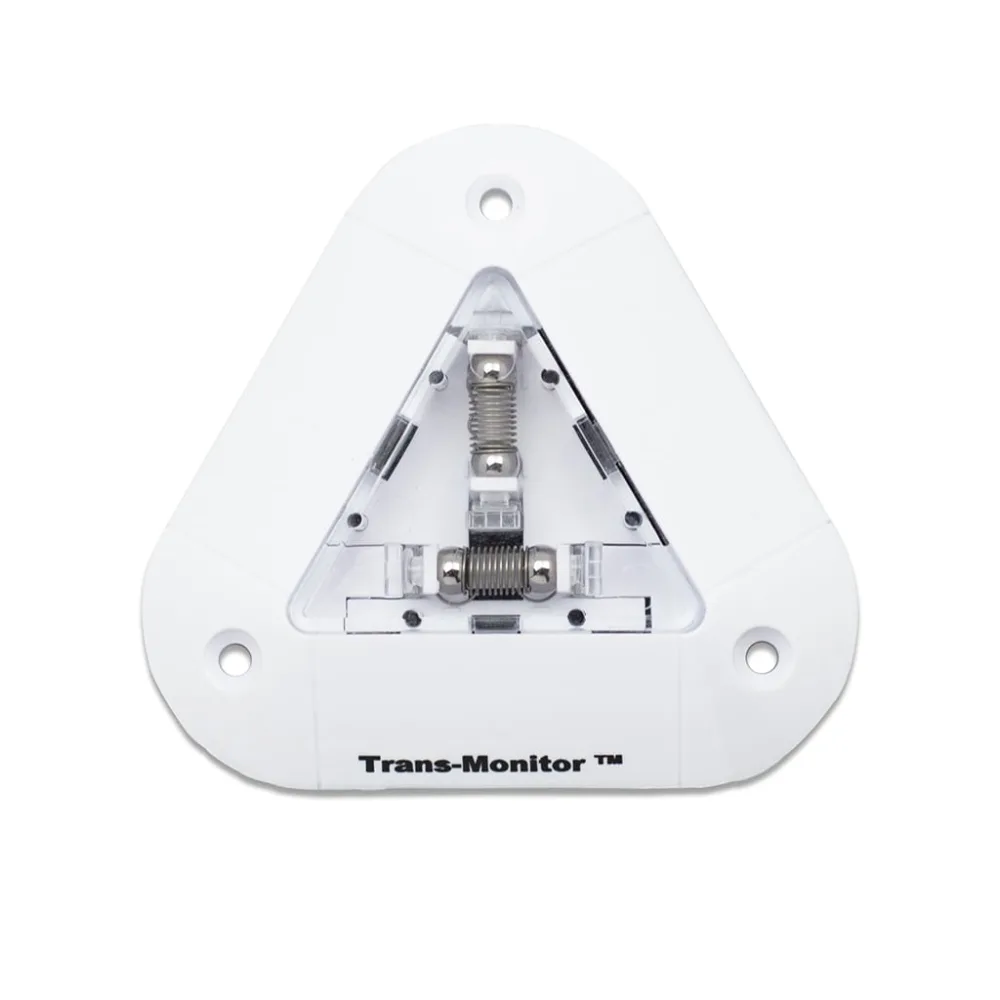
An impact detector is a device designed to indicate whether an object has experienced a physical shock or impact that exceeds a specified threshold. It is commonly used with shipping packages, industrial equipment, electronic devices, and other products that require careful handling.
Depending on the design, an impact detector may use a visible indicator that changes state after an excessive impact or an electronic sensor that records impact events. Simple indicators provide an easy-to-read visual warning, while advanced monitoring devices can capture additional information about the event.
Unlike a standard fragile label, which only instructs handlers to take care, an impact detector provides an indication that an impact event may actually have occurred.
How Does an Impact Detector Work?
An impact detector responds when a package or product experiences a sudden force above its designed activation threshold. The exact mechanism depends on the type of device being used.
Here is how the process generally works:
- Installation: The impact detector is attached to the package, shipping container, or product according to the manufacturer’s instructions.
- Impact monitoring: The device responds to sudden shocks or impacts during handling, transportation, or storage.
- Impact indication: If the specified threshold is exceeded, the indicator activates or the electronic device records the event.
- Inspection: The receiving team checks the indicator and examines the shipment for possible damage.
- Documentation: Any activation, visible damage, or handling concern can be documented for further investigation.
An activated indicator does not automatically prove that a product is damaged. Instead, it highlights the need for an appropriate inspection.
Why Is an Impact Detector Important for Shipping?
Shipping involves several stages, including loading, unloading, warehousing, sorting, and final delivery. At any stage, a package may be dropped, struck, or handled incorrectly.
An impact detector helps businesses identify potential problems that ordinary packaging cannot reveal. Its key benefits include:
1. Better Handling Accountability
A visible impact indicator alerts handlers that a shipment is being monitored. This can encourage more careful handling and help businesses investigate potential mishandling incidents.
2. Early Identification of Potential Damage
Some products may suffer internal damage even when their outer packaging appears undamaged. An impact detector provides an additional reason to inspect sensitive goods before installation, use, or onward delivery.
3. Improved Quality Control
Businesses can review activated indicators and inspection findings to identify recurring handling issues. This information can help improve packaging methods, staff training, and transportation procedures.
4. Support for Shipping Claims
When a shipment arrives damaged, photographs of the packaging, inspection records, and impact-indicator status may support an investigation or claim. An indicator should be treated as supporting evidence rather than conclusive proof of when or how damage occurred.
5. Greater Confidence in the Supply Chain
Monitoring potentially damaging impacts gives dispatch and receiving teams another way to assess shipment handling. It can be particularly valuable when goods pass through multiple logistics partners.
Common Applications of Impact Detectors
Impact detectors are useful wherever excessive shock could affect product condition, performance, or reliability.
Electronics and electrical equipment: Sensitive electronic devices, computer components, and electrical equipment may require additional handling checks during transportation.
Industrial machinery: Machinery, engineered components, and precision instruments can be monitored for impacts that may cause misalignment or internal damage.
Medical and laboratory equipment: Sensitive instruments may need careful shipment monitoring to identify possible handling issues before they are put into service.
Glass and fragile products: Glassware, delicate assemblies, and breakable goods can benefit from additional impact monitoring alongside suitable protective packaging.
Warehousing and distribution: Businesses can use impact indicators to review handling practices across storage facilities, loading areas, and distribution networks.
Export and long-distance shipping: Shipments travelling through several handling points may benefit from visible indicators that help receiving teams identify consignments requiring closer inspection.
Impact Detector vs. Shock Indicator: What Is the Difference?
The terms impact detector and shock indicator are often used interchangeably, particularly in shipping and packaging. Both can refer to devices that indicate when a shipment has experienced a potentially excessive impact.
However, product capabilities can differ.
- Impact detector: A broad term for a device that identifies or records a physical impact.
- Shock indicator: Often refers to a visual device that activates when a specified impact threshold is exceeded.
- Electronic impact monitor: May record impact measurements, event timing, or other data, depending on its features.
- Tilt indicator: Detects whether a package has tilted beyond a specified angle rather than measuring impact alone.
Choosing the right device depends on the goods being transported, the type of risk being monitored, and the level of information required.
How to Choose the Right Impact Detector
Selecting a suitable impact detector requires more than simply choosing a product that fits the package. Businesses should consider the following factors.
Sensitivity and Activation Threshold
Different products tolerate different levels of shock. Select a detector with an appropriate threshold based on the product’s fragility, packaging design, and handling requirements.
Type of Indicator
A visual indicator may be suitable when a quick inspection is the priority. Electronic monitoring may be more appropriate when detailed impact records are required.
Installation and Visibility
The device should be installed in the recommended position and remain visible to the receiving team. Correct placement is important because the response can depend on how the detector is mounted and how the impact reaches the product.
Shipping Conditions
Consider the size and weight of the shipment, packaging materials, transportation methods, and the number of handling stages involved.
Inspection and Documentation
Ensure that staff understand how to read the indicator, document its condition, and inspect the shipment if activation occurs.
Best Practices for Using an Impact Detector
To get meaningful results, businesses should incorporate impact detectors into their existing shipping and quality-control procedures.
- Choose an indicator suitable for the product and expected handling conditions.
- Follow the manufacturer’s instructions for installation and activation.
- Position the indicator where it can be easily inspected.
- Photograph the indicator and package condition before dispatch when appropriate.
- Check the indicator before accepting or installing sensitive goods.
- Document visible damage and any activated indicators.
- Review recurring incidents to identify opportunities to improve packaging and handling.
Remember that impact indicators complement protective packaging; they do not replace it. Suitable cushioning, secure packing, and proper handling remain essential.
Frequently Asked Questions About Impact Detectors
1. What is the main purpose of an impact detector?
The main purpose of an impact detector is to indicate whether a product or shipment has experienced an impact that may exceed an acceptable threshold. It helps receiving teams identify potential handling problems and determine whether further inspection is required.
2. Can an impact detector prevent shipping damage?
An impact detector does not physically prevent damage. However, its visible presence may encourage careful handling, while its activation can help businesses identify potential problems and improve future shipping procedures.
3. Does an activated impact detector mean the product is damaged?
No. Activation indicates that the device has detected an impact according to its design and sensitivity. The product should be inspected to determine whether actual damage has occurred.
4. Are impact detectors suitable for fragile products?
Yes. They can be useful for fragile or sensitive products when the detector’s activation threshold and installation are appropriate for the item and its packaging.
5. Can an impact detector be reused?
This depends on the product. Many visual shock indicators are single-use and must be replaced after activation. Some electronic monitoring devices can be reset or reused according to the manufacturer’s instructions.
6. What is the difference between an impact detector and a data logger?
A basic impact detector may simply indicate whether an impact threshold has been exceeded. A shock data logger can record more detailed information, such as acceleration measurements and event timing, depending on its capabilities.
7. Where should an impact detector be installed?
Installation depends on the detector design and monitoring objective. Follow the manufacturer’s placement instructions and ensure that the device is securely attached and easy to inspect.
Improve Shipment Monitoring with the Right Impact Detector
Protecting sensitive goods requires more than strong packaging. Businesses also need practical ways to identify possible handling issues throughout the shipping process.
An impact detector helps make potential shock events more visible, supports inspection procedures, and provides useful information for improving quality control. Whether you transport electronics, industrial machinery, fragile components, or other sensitive products, selecting the right impact-monitoring solution can help strengthen shipment accountability and support more informed handling decisions.
Explore impact detection solutions suited to your shipping and product-monitoring requirements, and choose an option that matches your goods, packaging, and inspection needs.