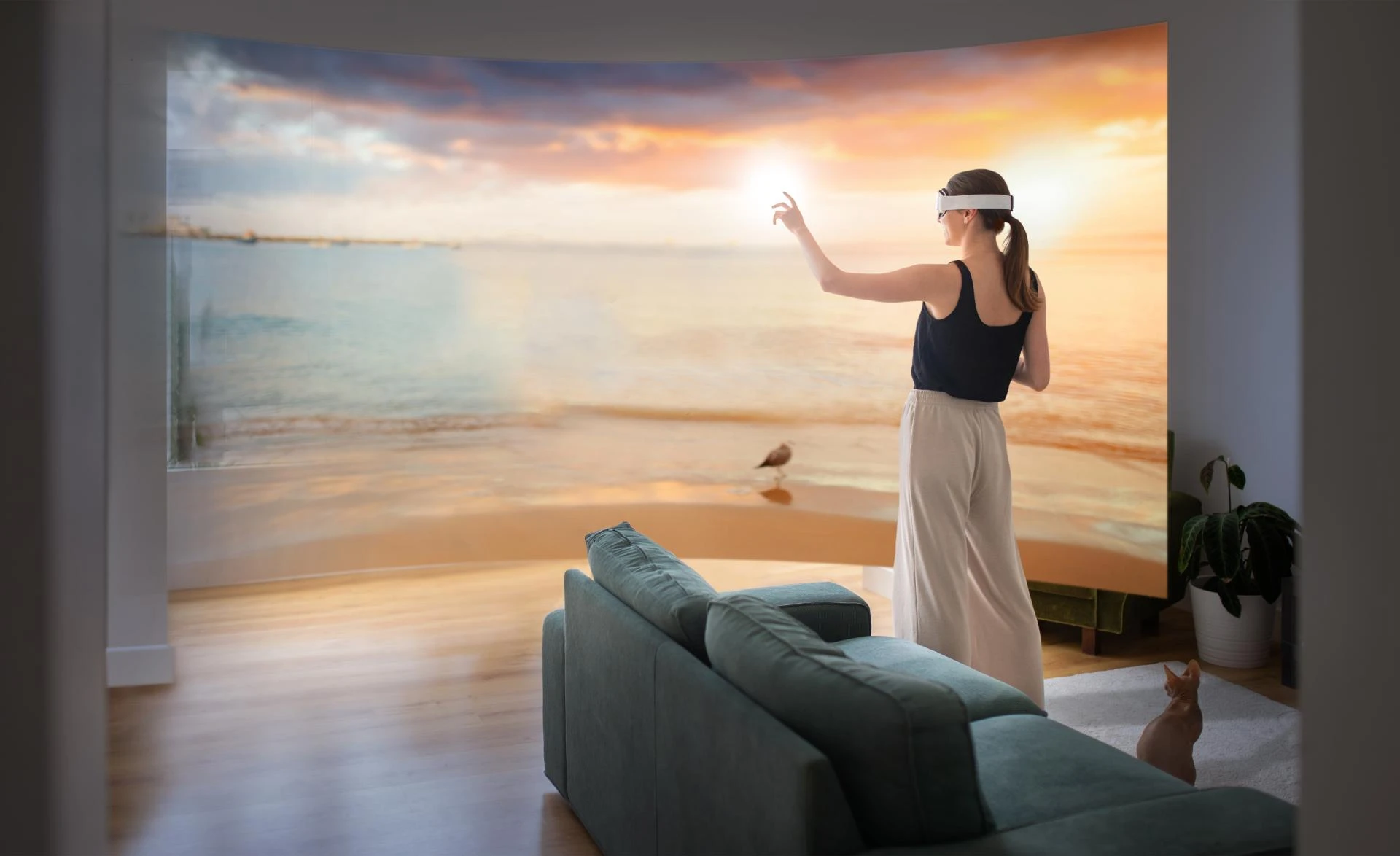
To improve property marketing, the real estate sector is adopting cutting-edge technologies in the current digital era. One such advancement is the use of 3D animation to create immersive virtual tours, allowing potential buyers to explore properties remotely with a realistic and engaging experience.
The Evolution of Property Showcasing
Traditional methods of showcasing properties, such as photographs and floor plans, often fall short in conveying the true essence of a space. Potential purchasers can visually tour a property using 3D animation, which gives them a sense of its layout and style that is not possible with still photos.
This technology is particularly beneficial for properties under construction or in the planning phase. Developers can present a realistic vision of the finished product, helping clients visualize their future homes or investments.
Benefits of 3D Animated Virtual Tours
- Enhanced Engagement: Interactive virtual tours capture the attention of potential buyers more effectively than traditional methods.
- Time and Cost Efficiency: Virtual tours reduce the need for multiple physical visits, saving time for both buyers and agents.
- Broader Reach: With properties accessible online, real estate listings can attract a global audience.
- Competitive Advantage: Offering 3D virtual tours can set a property apart from others, demonstrating a commitment to innovation.
The Role of Animation Studios
Creating high-quality 3D virtual tours requires expertise in animation and computer-generated imagery (CGI). To make these virtual worlds come to life, animation companies are important to those who specialize in real estate visualization.
For example, a New York animation studio may work with developers to create realistic and intricate depictions of properties. These studios make use of cutting-edge tools and methods to guarantee that every element of the property—from textures to lighting—is faithfully captured.
Companies that provide computer-generated imagery also make a contribution by producing realistic pictures and animations that raise the standard of virtual tours as a whole. Their expertise ensures that the final product is not only visually appealing but also technically sound.
Implementing 3D Animation Services
Integrating 3D animation services into real estate marketing strategies involves several steps:
- Collaboration: Real estate professionals work closely with animation studios to convey the desired vision and requirements for the virtual tour.
- Design and Modeling: The animation team creates detailed 3D models of the property, incorporating architectural plans and design elements.
- Animation and Rendering: Once the models are complete, animators add movement, lighting, and other effects to create a dynamic and immersive experience.
- Integration: The final virtual tour is integrated into the property's online listing, allowing potential buyers to access it easily.
Conclusion
The integration of 3D animation into real estate marketing has revolutionized the way properties are showcased and experienced. By providing immersive virtual tours, real estate professionals can engage potential buyers more effectively, streamline the purchasing process, and stand out in a competitive market.
As technology continues to advance, the collaboration between real estate professionals and animation experts will become increasingly vital. Whether it's partnering with an animation studio in New York or leveraging the skills of computer-generated imagery companies, embracing 3D animation services is a forward-thinking approach that meets the evolving demands of today's property market.