Preparing for the IELTS exam can be an important step for students and professionals planning to study, work, or migrate abroad. While English skills are essential, achieving a strong IELTS score also requires familiarity with the test format, consistent practice, effective time management, and the right preparation strategy.
For students looking for structured guidance, choosing the right IELTS course Singapore can make preparation more organized and focused. Whether you prefer classroom learning, online resources, or professional IELTS coaching, a clear preparation plan can help you build confidence across all four sections of the test.
Understand the IELTS Exam
The IELTS test evaluates your English proficiency through four sections: Listening, Reading, Writing, and Speaking. Each section measures different communication skills, so your preparation should include regular practice across all areas.
Before starting your preparation, understand the question types, timing, scoring approach, and expectations of each section. This allows you to identify your strengths and determine which areas require additional attention.
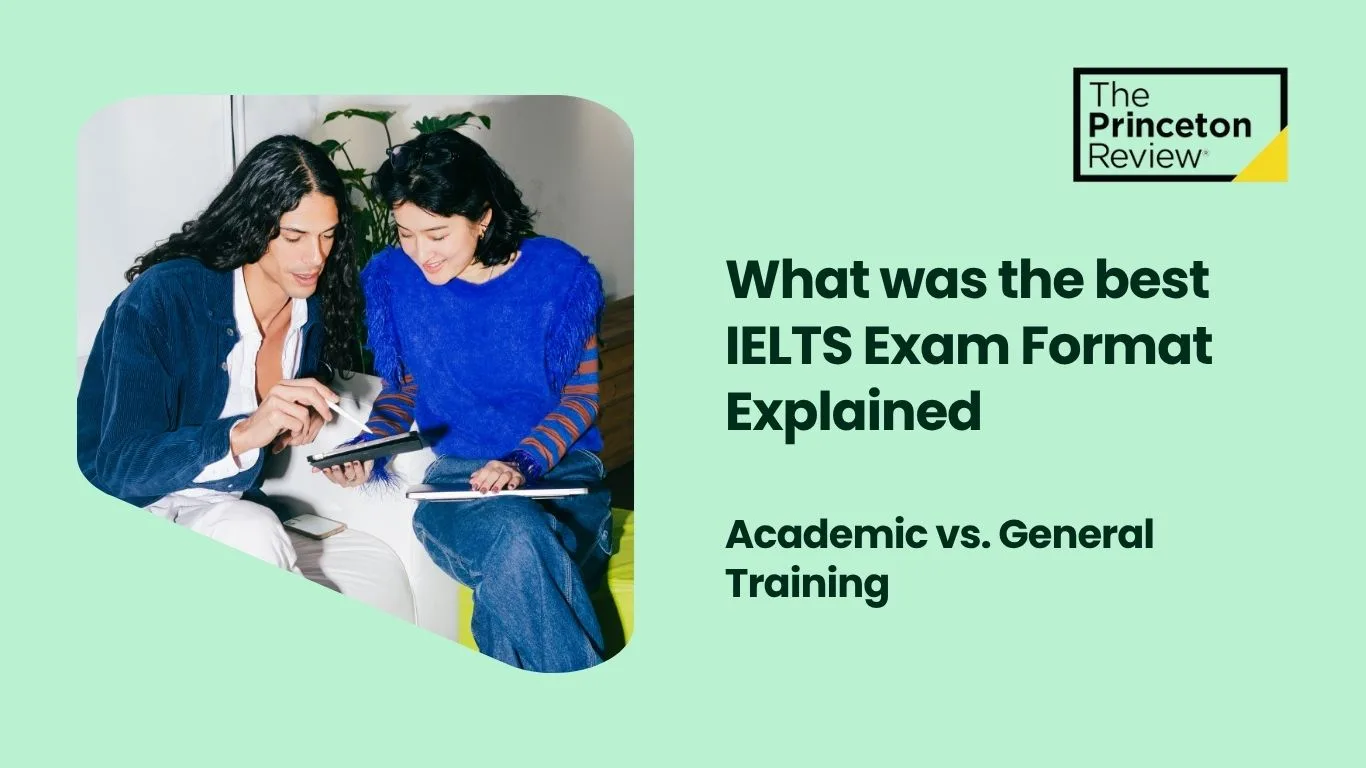
Students taking IELTS Academic Singapore for university or professional purposes should also become familiar with the specific requirements of the Academic test. Understanding the test you need to take is the first step toward effective preparation.
Build a Consistent IELTS Preparation Routine
Successful IELTS preparation is not about studying everything in a single week. Instead, create a realistic routine that allows you to practice consistently.
Start by assessing your current English level. Take a practice test and review your performance in Listening, Reading, Writing, and Speaking. This will help you identify areas where you need more practice.
A structured IELTS preparation course can provide a systematic approach to learning. It can also help you follow a schedule, practice different question types, and receive guidance on areas that need improvement.
When creating your routine, divide your study time between:
- Vocabulary and grammar development
- Reading practice
- Listening exercises
- Writing practice
- Speaking practice
- Full-length mock tests
- Review of mistakes
Regular practice is more useful than studying intensively only a few days before the exam.
Improve Your IELTS Listening Skills
The Listening section requires you to understand conversations, discussions, and spoken information while identifying specific details.
To improve your performance, listen to English regularly. Use educational videos, podcasts, interviews, and other English-language content. Try to understand the overall meaning as well as specific information such as names, numbers, dates, and locations.
During practice tests, pay attention to spelling and grammatical accuracy when entering answers. After completing a practice test, review incorrect answers and determine why you missed them.
Strengthen Your IELTS Reading Skills
IELTS Reading requires you to understand written passages and locate relevant information efficiently. Time management is particularly important because you need to complete the questions within the available time.
Develop the habit of reading English regularly. Newspapers, magazines, academic articles, and other quality English content can expose you to different vocabulary and writing styles.
During your IELTS training in Singapore, or through independent study, practice identifying keywords in questions and locating related information in passages. Avoid spending too much time on one difficult question. If necessary, move forward and return to it later.
Develop Strong IELTS Writing Skills
Writing can be challenging because your response needs to be organized, relevant, clear, and grammatically accurate.
Start by understanding the requirements of your IELTS Writing tasks. Practice creating introductions, developing logical paragraphs, supporting ideas with relevant examples, and writing effective conclusions.
Do not focus only on using complicated vocabulary. Clear communication, appropriate vocabulary, sentence structure, organization, and accurate grammar are all important.
Ask a teacher or experienced IELTS instructor to review your writing whenever possible. Feedback can help you identify recurring mistakes and improve your writing over time.
Build Confidence for IELTS Speaking
The Speaking section evaluates your ability to communicate effectively in English. Many students understand English well but become nervous when speaking under test conditions.
To build confidence, practice speaking English every day. Discuss familiar topics, describe experiences, explain your opinions, and answer practice questions aloud.
You can also record yourself speaking and listen to the recording afterward. Pay attention to pronunciation, grammar, vocabulary, fluency, and areas where you hesitate.
Professional IELTS coaching can provide speaking practice and feedback, helping you become more comfortable communicating under test conditions.
Choose the Right IELTS Course in Singapore
Choosing the right preparation method depends on your current English level, target score, schedule, and preferred learning style.
Students looking for structured classroom learning can explore IELTS classes in Singapore, while those who prefer group-based learning can consider IELTS classes Singapore options that fit their schedule.
For students who want personalized support, IELTS coaching in Singapore can provide guidance on individual strengths and weaknesses. A structured IELTS preparation course Singapore can also combine lessons, practice exercises, mock tests, and feedback within a planned curriculum.
The Princeton Review Singapore provide IELTS Courses to support students preparing for the IELTS examination with structured preparation and guidance.
Also Read: IELTS vs TOEFL in Singapore: Which English Test Should You Take in 2026?
Create a Practical IELTS Study Plan
A study plan helps you stay consistent and measure your progress. Instead of focusing exclusively on one section, include all four IELTS skills throughout your preparation.
For example, you could dedicate certain days to Reading and Writing while using other days for Listening and Speaking practice. Include at least one regular mock test to monitor your progress.
Keep an error log where you record recurring mistakes. Categorize them into grammar, vocabulary, comprehension, time management, pronunciation, or question-type errors. Reviewing this information can make your preparation more targeted.
Take Practice Tests Regularly
Practice tests are an important part of IELTS preparation because they help you become familiar with the test environment and timing.
Do not simply check your score after completing a mock test. Spend time reviewing your mistakes. Ask yourself whether an incorrect answer resulted from a lack of knowledge, misunderstanding, poor time management, or a careless mistake.
As your preparation progresses, compare your practice results to identify improvement areas and determine whether you are moving toward your target score.
Final Thoughts
IELTS success requires more than knowing English. It requires consistent preparation, familiarity with the test format, effective strategies, and regular practice.
Whether you choose IELTS training in Singapore, classroom IELTS classes in Singapore, professional IELTS coaching, or a structured IELTS preparation course, choose an approach that matches your learning needs and preparation timeline.
With focused practice across Listening, Reading, Writing, and Speaking, you can build stronger skills and approach your IELTS test with greater confidence. A well-planned IELTS course Singapore can provide the structure and guidance needed to make your preparation more focused and organized.