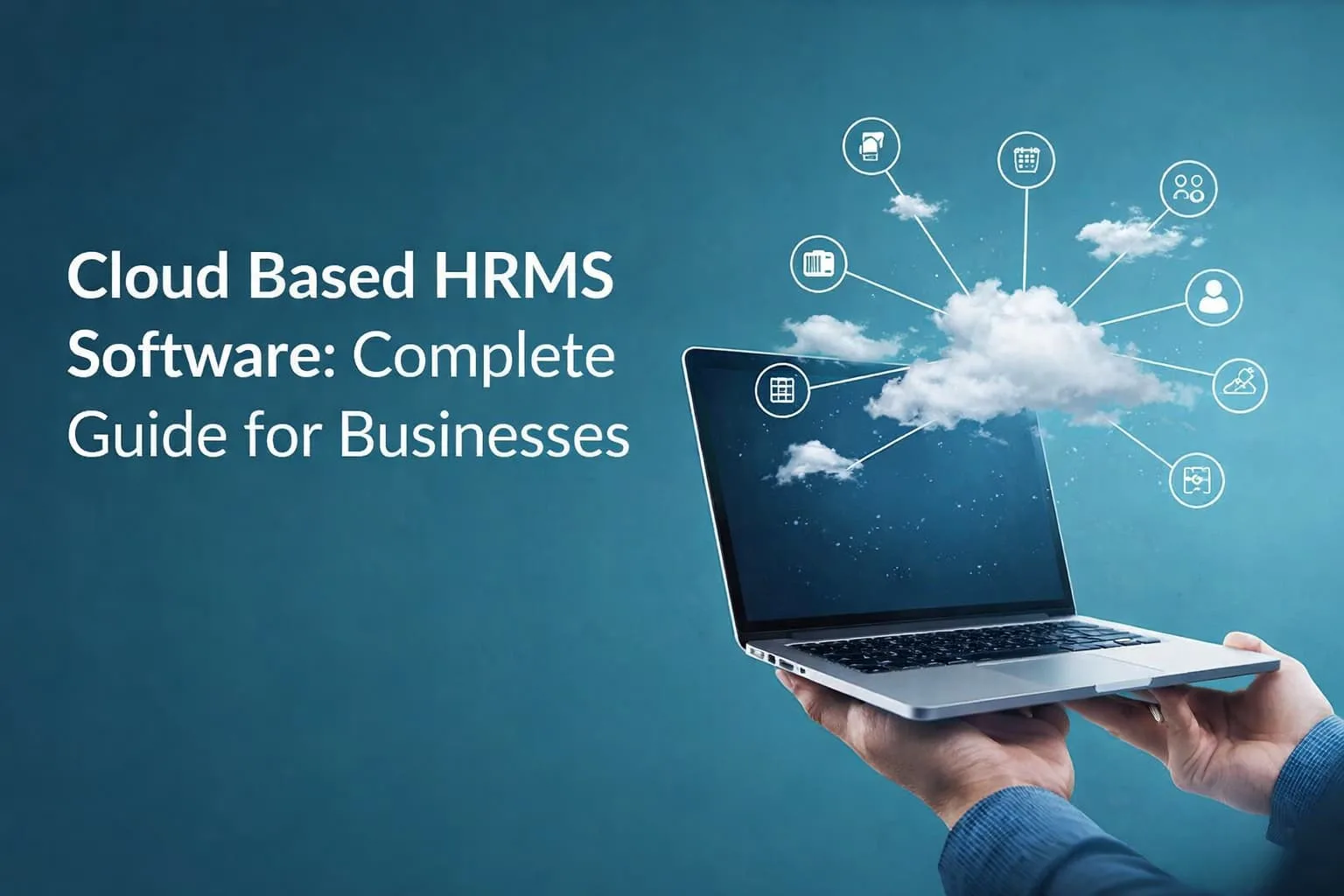
In the fast-paced business landscape of 2026, the "Human Resources" department has evolved from a simple administrative wing into a core driver of company strategy. At the centre of this transformation is HRMS software (Human Resource Management System).
As companies scale, managing spreadsheets for payroll, attendance, and employee records becomes not just tedious but risky. If you are wondering why the world’s most successful firms are moving toward automated solutions, here is a look at how HRMS software works and why it is essential for modern growth.
What Exactly is HRMS Software?
At its most basic level, HRMS software is a digital suite that combines various HR functions—such as recruiting, training, payroll, and performance analysis—into one centralised database. Instead of having data scattered across multiple platforms, an HRMS acts as a "single source of truth" for every employee in the organisation.
For a deeper dive into the mechanics of these platforms, check out our guide on what HRMS software.
How HRMS Software Works: The Core Modules
A modern HRMS isn't just a digital filing cabinet; it is an active assistant that automates the entire employee lifecycle:
- Recruitment and Onboarding: Automating job postings and tracking applicants until they are hired.
- Attendance and Leave Management: Using biometric or mobile check-ins to track work hours accurately.
- Payroll Integration: Calculating taxes, deductions, and salaries with one click to ensure zero errors.
- Performance Tracking: Setting KPIs and conducting appraisals based on real-time data rather than memory.
To see a full breakdown of these capabilities, read more about essential HRMS system features.
Why Companies are Switching in 2026
The switch to automated HR systems is driven by more than just a desire for "digitalisation." Companies are realising that manual HR processes are a bottleneck to scaling.
- Accuracy in Payroll: Especially in complex markets, using the best HRMS and payroll software in India ensures compliance with local labour laws and tax regulations.
- Employee Self-Service: Modern systems allow employees to download their own payslips and apply for leave via mobile apps, reducing the administrative burden on HR managers.
- Cost Efficiency for SMEs: It’s a myth that these systems are only for giants. Specialised HRM software for small businesses is now more affordable and scalable than ever.
- Data-Driven Decisions: With an HRMS, you can identify high turnover rates or productivity gaps instantly, allowing you to fix problems before they impact the bottom line.
If you are still on the fence, we’ve outlined the top reasons why every business needs HRMS software in our recent analysis.
Transform Your Workforce with MH Cognition
Choosing an HRMS is a long-term investment in your company’s culture and efficiency. At MH Cognition, we provide enterprise-grade Human Resources Solutions designed to handle the complexities of the modern workplace.
Whether you are managing a local team or a distributed global workforce, our HRMS platform is built to be intuitive, secure, and fully integrated with payroll. We focus on removing the "paperwork" from HR so you can focus on the "people."
Final Thoughts
The transition from manual records to an automated HRMS is no longer a luxury—it is a competitive necessity. As we move further into 2026, the companies that win the talent war will be those that use technology to provide a seamless, transparent, and efficient experience for their employees.
Ready to streamline your HR operations? Explore the full range of features: https://mhcognition.com/our-products/human-resources-solutions