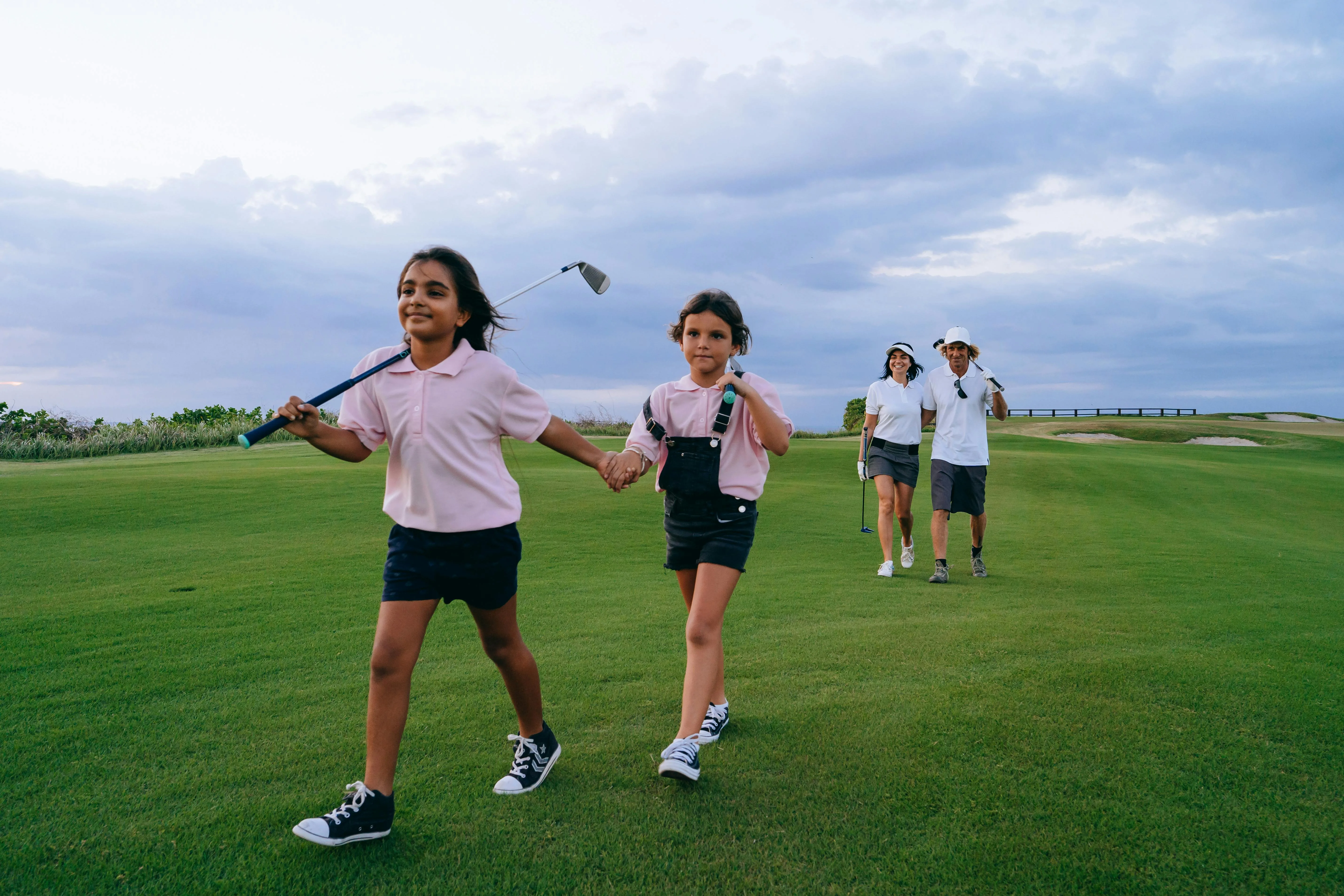
Youth golf has quietly become one of the most beneficial activities for children's overall development. What makes it special? It's a rare combination of physical exercise, mental challenge, and character building all rolled into one. While many sports focus almost exclusively on physical prowess, golf takes a different approach, it shapes young minds and bodies at the same time. Parents and educators are catching on to something important: early sports participation matters. And golf? It stands out because kids can start incredibly young and stick with it for life. The sport's gentle learning curve, paired with its remarkable impact on both physical and cognitive abilities, makes it a natural choice for families who want activities that truly contribute to their children's long-term growth.
Building Physical Strength and Coordination
Golf does something remarkable for developing fundamental motor skills that'll serve children far beyond any golf course. Think about the golf swing itself, it's a complex movement requiring coordination between multiple muscle groups. As young players practice, they're building balance, flexibility, and body awareness in ways that naturally transfer to other physical activities. Kids strengthen their core muscles, improve posture, and sharpen their hands, eye coordination without even realizing it. When parents introduce the youngest golfers to the sport, they often discover that toddler golf clubs age 3-5 offer exactly the right sizing to help develop proper swing mechanics from day one. Here's what's interesting: the repetitive nature of golf practice builds muscle memory while developing the fine motor control necessary for precise movements. Walking the course? That's cardiovascular exercise promoting heart health and building endurance, without the high-impact stress that comes with running sports. And don't overlook this: carrying or pushing golf equipment develops upper body strength while teaching kids about physical responsibility and self-sufficiency.
Enhancing Mental Focus and Concentration
The mental demands of golf make it an exceptional tool for sharpening cognitive abilities in young people. Each shot becomes a mini puzzle to solve. Players assess distance, evaluate wind conditions, consider terrain features, and select appropriate strategies before even swinging. This analytical process trains children to think critically and make informed decisions under pressure, skills that show up later in academic settings, and everyday problem-solving situations.
Developing Character and Personal Responsibility
Golf's unique structure as a self-governed sport makes it outstanding for character development and ethical education. Unlike most team sports with referees calling the shots, golfers are responsible for calling penalties on themselves. This fosters integrity and honesty from an early age. Self-regulation like this teaches children about personal accountability and maintaining standards even when nobody is watching. The individual nature of golf competition? It helps young players develop resilience and self-reliance as they discover that success depends primarily on their own efforts and preparation. Learning proper golf etiquette instills respect for others, teaching kids about patience, courtesy, and consideration for fellow players. The traditions and customs associated with golf introduce young people to formal social protocols and professional behavior standards that'll serve them well in future academic and career environments. Managing emotions during challenging rounds builds emotional intelligence and self-awareness, helping children recognize and regulate their feelings constructively.
Promoting Social Skills and Networking
Despite being an individual sport, golf creates numerous opportunities for social interaction and relationship building. Playing in groups teaches children how to engage in polite conversation, respect others' playing time, and share experiences constructively. Junior golf programs and tournaments create communities where young players form friendships based on shared interests and mutual respect. What is particularly valuable? The multigenerational nature of golf allows children to interact comfortably with adults, developing communication skills and confidence that extend far beyond peer relationships. Learning to play with golfers of varying skill levels teaches kids about inclusivity, patience, and appreciation for different abilities and approaches. These social experiences help young players develop networking skills early, understanding how relationships built around shared activities can lead to lasting connections. The collaborative aspects of team golf formats also teach children about supporting teammates, celebrating others' successes, and working together toward common goals while maintaining individual excellence.
Supporting Long, Term Health and Wellness
Golf establishes patterns of physical activity and outdoor recreation that promote lifelong health. Unlike sports that become difficult or impossible to play as people age, golf offers sustainable exercise that children can enjoy throughout their entire lives. Regular golf participation encourages outdoor time, which research consistently links to improved mood, reduced stress, and better overall mental health. The walking involved in playing golf provides low-impact cardiovascular exercise that builds stamina without risking joint damage or overuse injuries common in high-impact sports.
Conclusion
Youth golf represents far more than just a recreational activity. It's essentially a comprehensive developmental program addressing physical, mental, emotional, and social growth simultaneously. The sport's unique combination of physical challenge, mental stimulation, character building, and social interaction creates an ideal environment for nurturing well-rounded young people. As children develop their golf skills, they're simultaneously building attributes that contribute to academic success, professional achievement, and personal fulfillment throughout their lives. The accessibility of golf to children of various ages and abilities, combined with its potential for lifetime participation, makes it an investment in long-term health and happiness. For families seeking activities providing lasting benefits beyond immediate entertainment, youth golf offers an exceptional opportunity, supporting children's development while introducing them to a sport they can enjoy for decades to come.