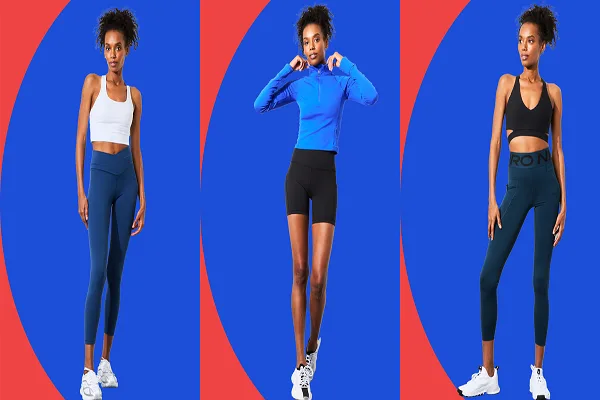
Women’s leggings have become one of the most important products in the activewear market. They are used for gym training, yoga, running, travel, casual wear, and everyday styling. Therefore, brands need to think about more than color and appearance when developing a leggings collection.
A good pair of leggings should stretch comfortably, recover after movement, stay secure at the waist, and provide reliable coverage. At the same time, customers expect smooth seams, flattering proportions, and fabrics that feel comfortable against the skin.
For fitness and clothing brands selling throughout the United States, wholesale production can provide a practical way to build inventory while maintaining consistent sizing, colors, fabrics, and branding. However, larger orders also make product development and quality control more important.
Before bulk production begins, brands should review fabric performance, fit, waistband design, size grading, opacity, construction, and branding. Careful planning at this stage can help create a more dependable product.
Key Takeaways
- Women’s leggings should combine stretch, recovery, comfort, coverage, and secure waistband construction.
- Wholesale production works best after a brand has tested and approved fabric, sizing, fit, and garment construction.
- Consistent specifications and quality checks help activewear brands maintain reliable products across larger orders.
Why Wholesale Women’s Leggings Require Careful Development
Ordering wholesale women leggings can help activewear brands produce larger quantities around one approved design. Instead of purchasing unrelated ready-made products, brands can plan fabric, sizing, waistband construction, colors, seams, labels, and branding as part of a complete product specification.
Wholesale production can also make it easier to develop multiple colorways from the same approved pattern. For example, one legging style may be produced in black, navy, grey, and seasonal colors while maintaining the same measurements and construction.
However, a small problem can become much more serious at wholesale scale. If the waistband is incorrect or the fabric has poor recovery, that problem may affect an entire order.
Therefore, bulk production should begin only after the product has been properly tested.
Begin With the Intended Use
Leggings can serve many different purposes.
Therefore, brands should first decide how customers are expected to use the product.
Gym Training
Gym leggings need enough stretch for squats, lunges, lifting, and general movement.
The waistband should stay secure during repeated exercise.
In addition, seams should remain comfortable during longer training sessions.
Yoga and Pilates
Yoga leggings usually need soft and flexible fabrics.
Customers may also prefer smooth waistbands and construction that does not feel restrictive during stretching.
Running
Running leggings may require lightweight materials and moisture management.
They should also remain secure so the wearer does not need to adjust the waistband frequently.
Lifestyle Wear
Lifestyle leggings may focus more heavily on softness and appearance.
However, they should still maintain their shape after frequent use and washing.
Fabric Selection Shapes the Entire Product
Fabric is one of the most important decisions in leggings manufacturing.
It influences stretch, coverage, comfort, support, durability, and overall appearance.
Therefore, brands should evaluate several fabric characteristics before approval.
Fabric FeatureWhy It MattersStretchAllows comfortable movementRecoveryHelps leggings maintain their shapeOpacitySupports reliable coverageGSMInfluences thickness and compressionBreathabilityHelps manage heatMoisture managementSupports workout comfortSoftnessImproves feel against the skinA fabric that looks attractive as a swatch may behave differently when made into a fitted garment.
Therefore, brands should always evaluate the material in an actual sample.
Stretch and Recovery Need to Work Together
Stretch is essential for leggings.
However, a fabric also needs good recovery.
Recovery means the material can return to its original shape after being stretched.
Without good recovery, leggings can become loose around the knees, hips, or waistband.
As a result, the garment may lose its original fit after only a short period of wear.
Four-Way Stretch
Four-way stretch fabrics move in several directions.
This makes them suitable for exercises that involve bending, twisting, and deep movement.
Therefore, many performance leggings use this type of fabric.
Two-Way Stretch
Two-way stretch materials may still work for selected products.
However, the cutting direction becomes more important.
The stretch should follow the areas where the body requires movement.
Fabric Weight Influences Support and Coverage
Fabric weight is commonly measured in GSM.
Lower GSM fabrics generally feel lighter, while higher GSM fabrics often provide more structure and coverage.
However, the ideal weight depends on the product.
Lightweight Leggings
Light fabrics may feel comfortable in warm conditions.
They can also work well for low-intensity activities.
However, overly thin fabric may become transparent when stretched.
Midweight Leggings
Midweight fabrics often provide a useful balance between comfort, opacity, and support.
Therefore, they may suit general fitness collections.
Heavier Leggings
Heavier materials can provide more compression and coverage.
However, they may also feel warmer during exercise.
Brands should therefore select fabric according to both activity and customer expectations.
Opacity Needs Real Testing
One of the biggest concerns with women’s leggings is transparency.
A fabric may look opaque when lying flat but become noticeably thinner when stretched.
Therefore, brands should test opacity during movement.
Useful tests include:
- Squatting
- Bending
- Lunging
- Stretching
- Sitting
The fabric should be checked around the hips, thighs, knees, and rear.
If transparency becomes too noticeable, the brand may need a heavier fabric or a different construction.
Waistband Design Can Change the Fit
The waistband is one of the most important parts of leggings construction.
It affects comfort, support, and how securely the garment stays in place.
High-Rise Waistbands
High-rise leggings provide more coverage through the waist.
They are common in gym and lifestyle collections.
However, the waistband should remain flat instead of rolling down.
Mid-Rise Waistbands
Mid-rise products sit lower on the body.
They may appeal to customers who prefer less coverage.
Elastic Waistbands
Some designs use internal elastic for additional support.
The elastic should be strong enough to keep the garment secure without creating excessive pressure.
Fabric Waistbands
Other designs rely primarily on the stretch and recovery of the fabric.
In these cases, material selection becomes especially important.
Seam Placement Affects Comfort and Appearance
Leggings are close-fitting garments.
Therefore, seam placement can affect both comfort and style.
Poorly placed seams may rub against the skin or create unwanted pressure during exercise.
Flatlock Seams
Flatlock stitching creates a relatively smooth seam.
This can help reduce bulk against the skin.
Overlock Seams
Overlock stitching is widely used in stretch garments.
The seam should remain flexible enough to move with the fabric.
Contour Seams
Some leggings use curved or shaped seams to influence appearance.
However, these design details should not interfere with movement or durability.
Fit Testing Should Include Exercise
A legging sample should not be approved only because it looks good while standing.
The product should be tested during real movement.
For example, a waistband may appear secure during a fitting but slip during squats.
Likewise, a seam may feel comfortable initially but become irritating during running.
Therefore, sample testing should include:
- Squats
- Lunges
- Walking
- Running
- Stretching
- Sitting
- Bending
These movements can reveal practical fit problems before production.
Accurate Size Charts Improve Wholesale Consistency
Wholesale production requires clear sizing standards.
Therefore, brands should define actual garment measurements instead of relying only on small, medium, and large labels.
Important legging measurements may include:
- Waist
- Hip
- Front rise
- Back rise
- Inseam
- Thigh
- Knee
- Leg opening
- Total length
These specifications help manufacturers reproduce the approved fit more consistently.
Size Grading Needs Proper Proportions
Once the base size is approved, the pattern must be graded into additional sizes.
However, a larger legging should not simply become wider.
Waist, hip, rise, inseam, thigh, and leg opening may all need different adjustments.
Therefore, careful grading helps maintain the intended fit across the full size range.
Brands should also review more than one sample size when possible.
This can help identify problems before bulk production begins.
Sampling Helps Reduce Wholesale Risk
Sampling is one of the most important stages of leggings development.
A physical sample allows brands to review the finished product before ordering larger quantities.
A sample should be checked for:
- Fabric feel
- Stretch
- Recovery
- Opacity
- Waistband stability
- Seam comfort
- Length
- Fit
- Logo placement
- Color
If changes are required, they can be made before the bulk order.
This can help reduce waste and avoid repeating the same issue across many garments.
Colorways Should Be Tested Separately
A single legging design may be produced in several colors.
However, different colors can sometimes affect how the fabric appears when stretched.
Light shades may reveal more transparency than darker colors.
Therefore, brands should test important colorways separately when possible.
Color consistency should also be checked during production.
Customers expect multiple units of the same color to look similar.
Branding Should Work With Stretch Fabric
Leggings often include logos or design elements.
However, decoration methods need to move with the material.
Heat Transfer
Heat-transfer logos can work well for small branding areas.
However, the transfer should remain flexible when the fabric stretches.
Sublimation
Sublimation can work on compatible polyester materials.
It is useful for all-over patterns, gradients, and detailed graphics.
Screen Printing
Screen printing may work for selected logos.
However, the ink needs enough flexibility for stretch garments.
Embroidery
Embroidery is generally more suitable for heavier apparel than close-fitting leggings because it can add stiffness.
Therefore, brands should use it carefully.
Building Matching Legging Sets
Women’s leggings often sell as part of coordinated activewear sets.
A brand may combine them with:
- Sports bras
- Crop tops
- Gym shirts
- Cycling shorts
- Jackets
- Hoodies
Matching colors and design elements can help create a stronger collection.
However, each garment still needs its own technical specifications.
For example, a fabric that performs well in leggings may need additional support or lining when used in a sports bra.
Working With a Gym Wear Manufacturer
A gym wear manufacturer can help brands coordinate leggings with other activewear products while maintaining consistent colors, labels, sizing standards, and overall design direction.
This can simplify product development when a brand plans several related items.
Instead of sourcing each garment from a different supplier, a coordinated approach may make it easier to maintain a consistent product identity.
However, every product should still be tested independently because construction requirements differ.
Private Labels Strengthen Brand Identity
Wholesale garments should feel like part of a complete brand.
Therefore, private-label details can be incorporated during manufacturing.
Brand Labels
Custom labels can display the brand name or logo.
Size Labels
Clear size labels make product organization easier.
Care Labels
Care labels provide material and washing information.
Hangtags
Hangtags can display product details, pricing, or brand messaging.
Packaging
Custom packaging can improve presentation for online and retail customers.
These details can help create a more professional finished product.
Quality Control Matters More at Larger Quantities
As production volume increases, consistency becomes more important.
Therefore, quality checks should happen throughout manufacturing.
Fabric Inspection
Fabric can be checked for damage, stains, or color variation.
Cutting Inspection
Pattern pieces should match approved specifications.
Stitching Checks
Seams should remain secure and flexible.
Measurement Inspection
Finished garments should stay within approved measurement tolerances.
Branding Review
Labels and logos should appear in the correct positions.
Final Packing Check
Sizes, colors, and quantities should be confirmed before shipment.
These steps can reduce avoidable production issues.
Plan Size Quantities Carefully
Wholesale orders require inventory planning.
Ordering equal quantities of every size may not match actual customer demand.
Therefore, established brands should review previous sales data when planning size ratios.
New brands can begin with smaller quantities and track which sizes sell most quickly.
This information can improve future orders and reduce excess stock.
Lower Quantities Can Help Test New Designs
Brands do not always need to begin with very large wholesale orders.
A smaller initial run can help test:
- Customer demand
- Fit
- Popular colors
- Size distribution
- Price points
- Fabric performance
Once the brand collects real customer feedback, larger orders can be planned more confidently.
Therefore, controlled production can support more sustainable growth.
Keep Technical Specifications for Future Reorders
Successful leggings may become long-term products.
Therefore, approved specifications should be stored carefully.
Brands can keep records of:
- Fabric composition
- GSM
- Stretch characteristics
- Approved measurements
- Size grading
- Color references
- Logo placement
- Label dimensions
- Packaging requirements
This information can make repeat production more consistent.
It can also reduce unnecessary redevelopment for future orders.
Final Thoughts
Wholesale women’s leggings production requires careful attention to fabric, fit, stretch, recovery, opacity, sizing, waistband construction, and seams. Therefore, brands should avoid moving directly into large production quantities without first developing and testing the product. Fabric should provide enough stretch and recovery for the intended activity. The waistband should remain secure during movement, while seams should stay comfortable against the skin. Sampling can reveal problems before bulk production begins. Meanwhile, accurate size charts, proper grading, and structured quality control can improve consistency across larger orders. When these elements are planned carefully, activewear brands can create leggings that support both customer performance and long-term product growth.