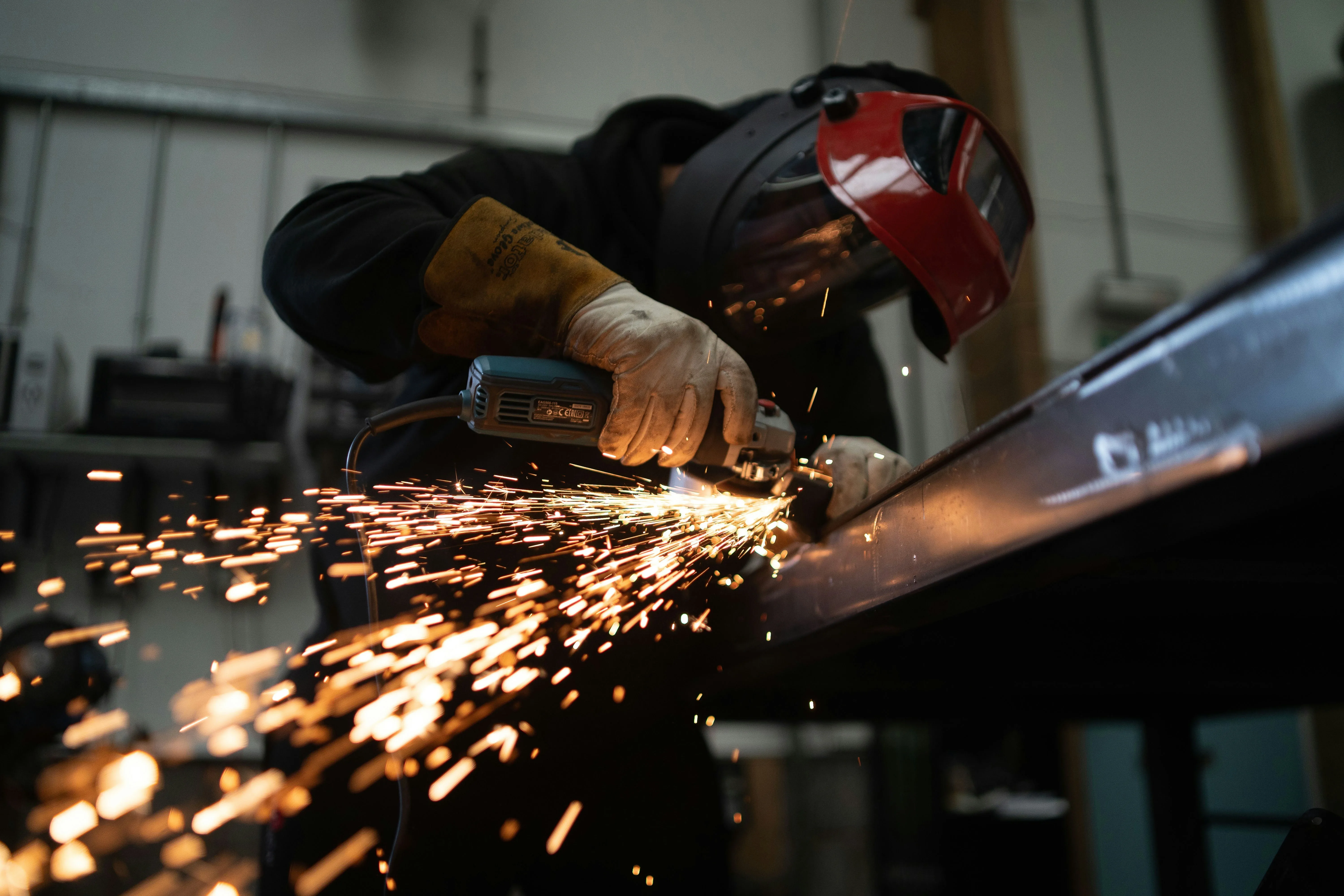
Manufacturing production lines bring together some of the most hazardous conditions found in any industry. High-voltage electrical systems, heavy machinery, extreme temperatures, chemical handling, and confined spaces all exist within fast-paced environments where precision and timing are critical. In such settings, even a small error can lead to serious injuries or operational disruptions. Building true safety competency for workers operating in these environments is not just important—it is essential. AutoVRse is addressing this challenge through immersive VR manufacturing training that prepares workers for real-world risks in a safe and controlled way.
The Production Line Safety Training Gap
Traditional safety training methods often fall short when it comes to preparing workers for real emergencies. Classroom sessions, videos, and even scheduled drills cannot fully recreate the unpredictability and pressure of actual incidents. Most drills are pre-planned, meaning workers already know what to expect. This limits their ability to develop instinctive reactions. As a result, employees may understand safety protocols in theory but struggle to apply them effectively during high-stress situations. This gap between knowledge and action is one of the biggest challenges in manufacturing safety.
Realistic Hazard Simulation Without Real Risk
AutoVRse solves this problem by creating highly detailed virtual production line environments tailored to each facility. These simulations replicate real equipment, layouts, and potential hazards with remarkable accuracy. Workers can experience scenarios such as machine malfunctions, electrical faults, chemical leaks, and fire outbreaks without any physical danger. This immersive exposure allows them to practice responses repeatedly, helping build confidence and muscle memory. By experiencing realistic conditions, employees are better prepared to act quickly and correctly when faced with actual emergencies.
Production Line Safety Scenarios Covered
VR training from AutoVRse includes a wide range of critical safety scenarios, such as:
- Machine guarding failures, where workers learn isolation procedures, area clearance, and proper reporting
- Electrical faults and arc flash incidents, focusing on emergency shutdown and correct use of PPE
- Chemical spills and vapor releases, teaching containment, evacuation, and decontamination steps
- Conveyor system entanglement, emphasizing emergency stop actions and coordinated rescue efforts
- Fire detection and suppression, including appropriate response techniques and evacuation planning
From Awareness to Automatic Response
The true value of VR training lies in its ability to transform awareness into action. Instead of simply knowing what to do, workers develop automatic responses through repeated, hands-on practice in realistic scenarios. This level of preparedness is critical in high-risk environments where hesitation can have serious consequences.
Conclusion
Production line safety cannot rely solely on theoretical training. It requires practical, experience-based learning that prepares workers for real challenges. AutoVRse’s immersive VR manufacturing training helps build the behavioral competency needed to reduce incidents, improve response times, and ensure safer workplaces.
To explore more about our work and real-time updates, check out AutoVRse on Twitter, Instagram, and LinkedIn.