
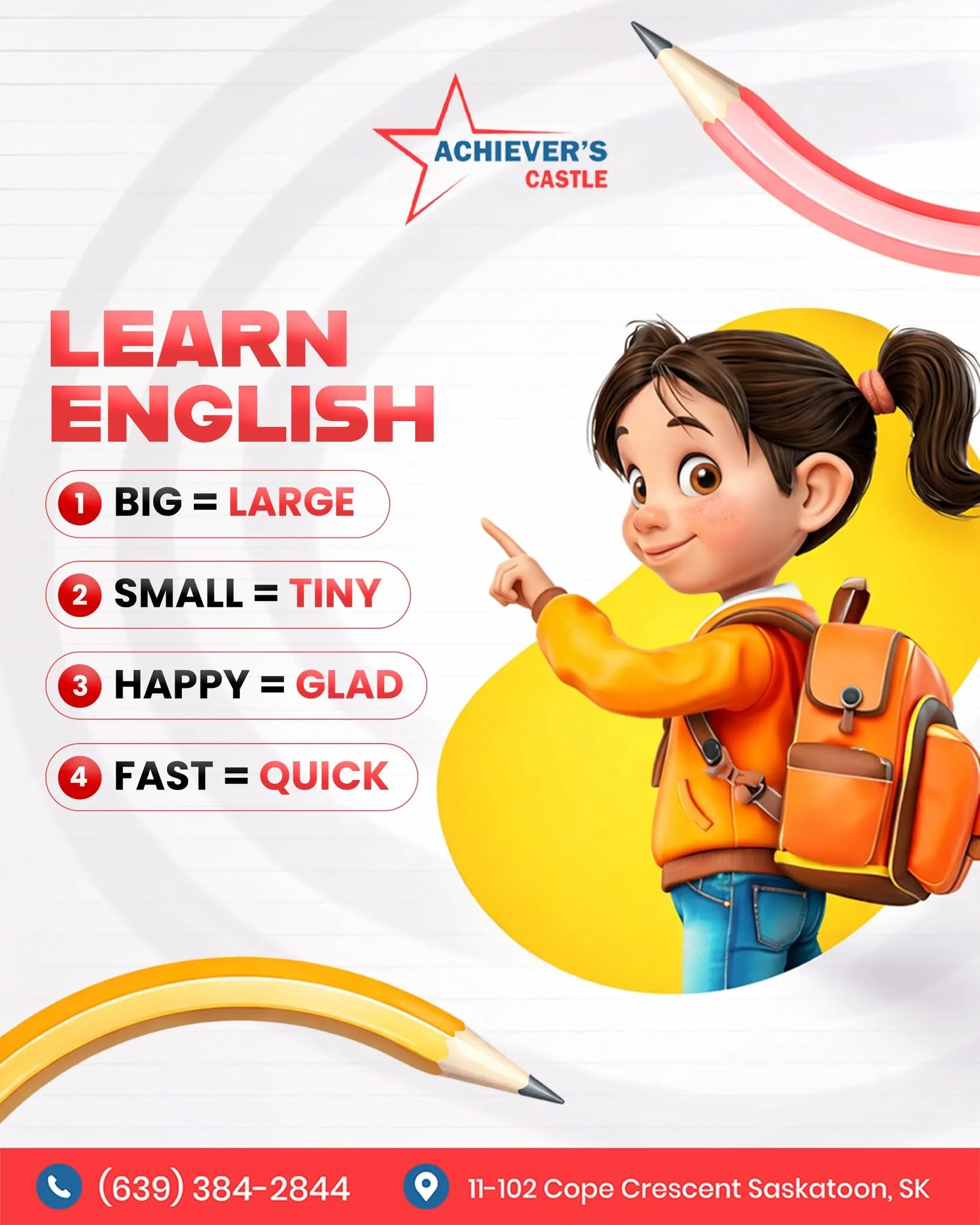
Reading is more than recognizing letters and sounding out words. Children also need to understand what those words mean. When a child has a limited vocabulary, reading can become slower, more difficult, and less enjoyable. Even if they can pronounce most of the words on a page, they may struggle to understand the story or explain what they have read.
Vocabulary development plays an important role in building strong reading skills. Understanding how vocabulary problems affect reading can help parents identify difficulties early and provide the right support.
What Is a Vocabulary Problem?
A vocabulary problem means a child may not know enough words or may have difficulty understanding and using words correctly. Some children may recognize a word when they hear it but not understand it when they see it in a book. Others may know basic words but struggle with more advanced vocabulary as school reading becomes challenging.
Vocabulary difficulties can happen for different reasons. A child may have had fewer opportunities to encounter new words, may have difficulty with language development, or may simply need additional practice using words in different contexts.
How Vocabulary Affects Reading Comprehension
One of the biggest effects of limited vocabulary is difficulty with reading comprehension.
Imagine a child reading a sentence that includes several unfamiliar words. They may be able to sound out every word correctly, but if they do not understand what those words mean, the sentence may not make sense.
For example, a child may read a sentence containing the word “exhausted” but understand only that the character was tired. As texts become more complex, missing the meaning of several important words can make it difficult to understand the main idea, follow events, or answer questions about the passage.
Building vocabulary gives children more tools for understanding what they read.
Vocabulary and Reading Fluency Are Connected
Reading fluency involves reading accurately, smoothly, and at an appropriate pace. Children who frequently encounter unfamiliar words may stop often to figure them out.
These pauses can interrupt the flow of reading and make it harder to focus on the overall meaning of a passage. Over time, a child may begin to read cautiously or avoid challenging books because reading feels like hard work.
Regular exposure to new words, along with phonics and word-recognition practice, can help children become more confident and comfortable readers.
A Limited Vocabulary Can Affect Confidence
Reading difficulties are not always academic. They can also affect how a child feels about learning.
A child who repeatedly struggles to understand stories or classroom reading assignments may become frustrated. They may avoid reading aloud, hesitate to participate in discussions, or choose books that are much easier than their current grade level.
Positive support can make a difference. Instead of focusing only on mistakes, parents and educators can encourage children to ask questions, explore unfamiliar words, and talk about what they are reading.
Vocabulary Helps Children Understand More Complex Texts
As children progress through school, reading materials become increasingly sophisticated. They encounter subject-specific vocabulary in science, mathematics, social studies, and literature.
A strong vocabulary helps children understand these texts more independently. It also helps them connect new information with concepts they already know.
For example, a child studying a science chapter may encounter terms such as “habitat,” “adaptation,” or “environment.” If these words are unfamiliar, understanding the lesson can become more difficult. Learning vocabulary alongside reading skills can therefore support learning across different subjects.
How Parents Can Support Vocabulary Development
Parents do not need complicated activities to help children develop stronger vocabulary. Simple everyday conversations can provide valuable opportunities to introduce and practise new words.
When reading together, try these approaches:
- Ask your child what they think an unfamiliar word means.
- Explain new words using simple, familiar examples.
- Encourage your child to use new words in their own sentences.
- Talk about characters, events, and ideas after reading.
- Read different types of books to expose children to varied language.
- Revisit useful words several times so their meanings become familiar.
The goal is not to memorize long lists of definitions. Children benefit more when they encounter words repeatedly and understand how those words are used in real situations.
When Additional Reading Support May Help
If a child consistently struggles with vocabulary, comprehension, word recognition, or reading fluency, additional support may be helpful. Structured reading tutoring programs can provide targeted practice based on the child’s specific needs.
A tutor can work with a child on vocabulary development, phonics, comprehension strategies, reading fluency, and other foundational skills. Individualized practice can also give children more opportunities to ask questions and work through difficult reading tasks at a comfortable pace.
Parents should also communicate with their child’s teacher if reading difficulties continue. Teachers and tutors can help identify areas that need additional attention and suggest appropriate strategies.
Building Strong Readers One Word at a Time
Vocabulary is one of the building blocks of successful reading. When children understand more words, they are better prepared to comprehend stories, follow instructions, learn new subjects, and express their ideas.
Supporting vocabulary development does not have to feel like extra homework. Reading together, talking about new words, and encouraging curiosity about language can make vocabulary learning a natural part of everyday life.
With consistent practice and the right support, children can gradually expand their vocabulary and develop stronger, more confident reading habits.