

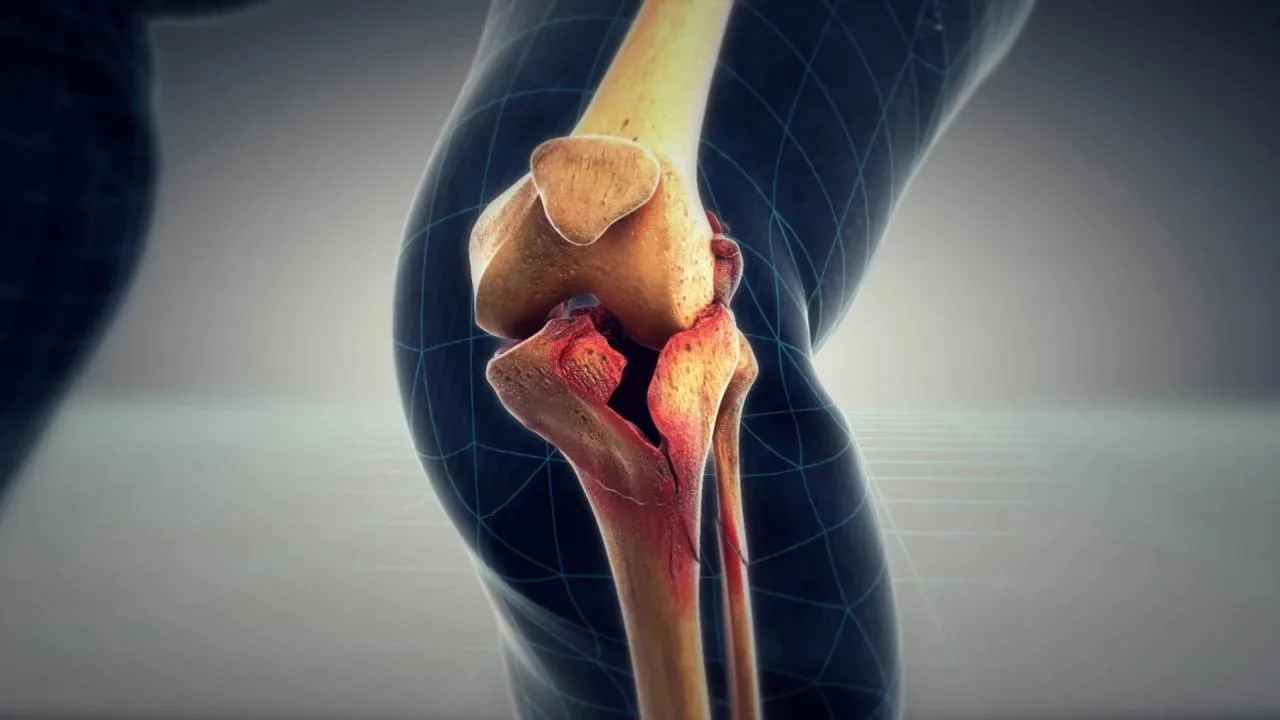
Courtroom animations help legal teams explain complicated events, injuries, and technical evidence in a way that jurors can follow. By turning records, expert opinions, and documented facts into carefully designed visual sequences, attorneys can make an argument easier to understand without replacing the evidence itself. Its value depends on accuracy, transparency, and a close connection to the underlying case materials.
Before production begins, attorneys should decide whether the visual is intended for mediation, deposition, expert testimony, or trial. That choice affects the length, narration, level of detail, and file format. A focused objective keeps the presentation useful and prevents unnecessary visual complexity for the intended audience.
What makes an effective courtroom animation?
An effective animation begins with a defined legal question. The team identifies what the jury needs to understand, then reviews the available records and consults qualified experts. The production team should document which details come directly from evidence and which elements are illustrative.
The sequence is then developed into a storyboard. This planning stage sets the order of events, camera angles, labels, and points that may need expert explanation. Attorneys and experts can review the storyboard before production advances. This process helps identify missing information, avoid misleading visual choices, and keep the animation focused on the issues that matter.
The finished work should use restrained movement, readable labels, and an appropriate level of detail. A visual should not imply certainty where the evidence is disputed. If a mechanism is hypothetical, the presentation should make that clear. Dates, measurements, anatomy, and object dimensions should be checked carefully.
Explaining orthopedic injuries with visual detail
Orthopedic cases often involve bones, joints, ligaments, muscles, nerves, and the forces acting on the body. A fracture report may identify the location and pattern of a break, while an MRI or CT scan can reveal details that are difficult for a lay audience to interpret. A forensic orthopedic animation can combine these sources into a clear view of the relevant anatomy and injury mechanism.

For example, an animation may illustrate the position of a joint before an incident, the direction of an applied force, and the resulting movement or fracture pattern. The sequence should be based on the treating records, imaging, and opinions of the appropriate medical expert. It should not add unsupported anatomy or present one disputed explanation as an established fact.
These visuals can be especially useful when the case involves spinal trauma, shoulder injuries, knee damage, complex fractures, or multiple injuries. A carefully constructed forensic orthopedic animation can help jurors understand why a particular structure matters and how the expert interprets the available findings.
Showing dental trauma in a courtroom
Dental injuries may appear small in a photograph, yet their consequences can involve pain, function, appearance, treatment, and long-term care. A courtroom dental injury animation can explain the anatomy of a tooth, the location of a fracture, damage to surrounding tissues, or the steps involved in restorative treatment.
A dental animation should be developed with input from a qualified dental professional. Relevant source material may include intraoral photographs, radiographs, cone-beam CT scans, dental charts, treatment notes, and expert reports. These records help the production team represent the correct tooth, surface, root, and surrounding anatomy. Labels and narration should use understandable language while preserving medically accurate terminology.
The visual may compare the documented condition before and after an incident, explain a treatment sequence, or illustrate why follow-up care is recommended. It should distinguish observed damage from a proposed explanation and avoid exaggerating the injury. The purpose is to make the dental evidence understandable, not to substitute animation for the dentist's testimony.
The production process from records to final presentation
Next, the production team reviews the case materials and prepares a visual plan. The storyboard identifies each scene and the evidence supporting it. Medical or technical reviewers should examine important details before modeling and animation begin. During production, the team creates the relevant anatomy, objects, environment, and movement. Text, arrows, measurements, and narration can be added when they genuinely improve understanding.
Review is essential. Attorneys should check that the animation follows the case theory and does not introduce unintended implications. Experts should verify the scientific or medical content. Revisions should be recorded, and the final version should be consistent with the materials disclosed or approved for use.
Accuracy, fairness, and courtroom preparation
Visual evidence can be persuasive, which makes careful preparation especially important. An animation must not create facts, conceal uncertainty, or exaggerate the severity of an injury. Admissibility decisions depend on the jurisdiction, the judge, the foundation, and the specific use; no production company can guarantee that an animation will be admitted.
A transparent process makes review easier. Keep source files, reference records, expert feedback, and revision notes organized. Identify assumptions and explain them when necessary. If the animation illustrates an expert's opinion rather than a directly recorded event, that distinction should be clear.
Choosing a medical-legal animation partner
When selecting a production partner, legal teams should look beyond visual style. Ask how the company gathers and verifies source information, whether qualified subject-matter reviewers are involved, how revisions are handled, and whether the team understands litigation deadlines.
Trial Graphics 360 develops medical-legal visuals intended to make complex case information easier to understand. Its work may include anatomical sequences, injury explanations, and demonstrative graphics for legal presentations. For a project involving courtroom animations, attorneys can discuss the case materials, intended courtroom use, expert review requirements, and timeline at the beginning of the process. The right scope depends on the evidence and the question the visual needs to explain.

Frequently asked questions
1. What are courtroom animations?
Courtroom animations are computer-generated visual sequences used to explain events, injuries, procedures, or technical concepts in a legal matter. They are generally prepared as demonstrative aids and must be grounded in case evidence and appropriate expert opinions. Their permitted use depends on the court and the purpose for which they are offered.
2. How does a forensic orthopedic animation help a jury?
A forensic orthopedic animation can show the location of an injury, relevant anatomy, movement, or a proposed injury mechanism. It can make medical testimony easier to follow, provided the details are checked against imaging, records, and expert analysis. It does not independently prove how an injury happened.
3. What is shown in a courtroom dental injury animation?
A courtroom dental injury animation may show tooth anatomy, a documented fracture, damage to supporting tissues, or a treatment procedure. Its content should reflect dental records and review by a qualified professional. The visual should clearly separate confirmed findings from any disputed explanation.
4. What information is needed to create an animation?
Useful materials can include medical or dental records, scans, photographs, diagrams, measurements, expert reports, and relevant testimony. The exact requirements depend on the issue being explained. The production team should identify missing information before finalizing the storyboard.
5. Are courtroom animations always admitted as evidence?
No. The court decides whether and how a demonstrative animation may be used. The legal team must establish an appropriate foundation and comply with applicable rules. Admission is never guaranteed, so attorneys should address the intended use with the court in advance.
Conclusion
Clear visual communication can make complicated medical and technical evidence easier to understand. Whether a case concerns a fracture, spinal trauma, or dental damage, the animation should begin with reliable records, expert guidance, and a precise legal purpose. Careful storyboarding, transparent assumptions, and thorough review help keep the final presentation accurate and fair. Trial Graphics 360 can work with legal teams to develop case-specific visuals that support explanation while leaving conclusions to the evidence and the jury. Ultimately, the best courtroom animations make important details clearer without overstating what the record can prove.


