
When businesses think about increasing ecommerce revenue, they often focus on marketing strategies, pricing, or product variety. While these factors are important, one critical element is often underestimated: UI and UX design. The way a user interacts with an ecommerce app can directly influence whether they make a purchase or leave the platform.
In 2026, users expect more than just functionality. They expect clarity, speed, and an intuitive experience that makes shopping effortless. If an app feels confusing, slow, or overwhelming, users are unlikely to stay. On the other hand, a well-designed interface combined with a smooth user experience can significantly increase engagement and conversions. This is why UI and UX design are no longer optional considerations but core drivers of ecommerce success.
What is Ecommerce App Development?
Ecommerce app development involves creating digital platforms that allow businesses to sell products or services online through mobile or web applications. These platforms are designed to handle product listings, user interactions, transactions, and order management.
A reliable ecommerce App development company focuses on building applications that are not only technically strong but also user-friendly. The integration of effective design principles ensures that users can navigate easily, find products quickly, and complete purchases without friction. This combination of functionality and design is what ultimately drives revenue.
Understanding UI and UX in Ecommerce
UI, or user interface, refers to the visual elements of an application, such as layout, colors, buttons, and typography. UX, or user experience, focuses on how users interact with the app and how smooth and efficient that interaction feels.
In ecommerce, UI attracts users while UX keeps them engaged. A visually appealing app may draw attention, but it is the experience that determines whether users stay and convert. Businesses often invest in professional uiux development services to ensure that both aspects work together seamlessly.
First Impressions Influence Buying Decisions
Users form an opinion about an app within seconds of opening it. A cluttered layout, poor design choices, or confusing navigation can create a negative impression immediately.
A clean and modern UI builds trust and encourages users to explore further. When users feel comfortable and confident while browsing, they are more likely to engage with the platform and consider making a purchase.
This is why investing in high-quality design is not just about aesthetics but about influencing user perception and behavior.
Simplified Navigation Improves Conversions
One of the biggest reasons users abandon ecommerce apps is difficulty in finding what they need. Complex menus, unclear categories, or too many steps can frustrate users and lead them to exit the app.
Effective UX design focuses on simplicity. Clear navigation, well-organized categories, and intuitive search functions make it easier for users to locate products quickly.
When the buying journey is smooth and straightforward, users are more likely to complete their purchases, resulting in higher conversion rates.
Faster Interactions Reduce Drop-Off Rates
Speed plays a crucial role in user experience. Slow-loading pages or delayed responses can significantly impact user satisfaction.
Good UI and UX design optimize interactions, ensuring that users can move from one step to another without delays. This includes everything from loading product images quickly to enabling seamless transitions between screens.
Businesses that combine performance optimization with strong design through ecommerce App Development Services often see a noticeable reduction in bounce rates and cart abandonment.
Trust and Credibility Through Design
Trust is a major factor in ecommerce. Users need to feel confident that their transactions are secure and that the platform is reliable.
Professional UI design helps establish credibility by presenting information clearly and consistently. Elements such as secure payment indicators, clear product descriptions, and transparent pricing contribute to building trust.
A well-structured UX ensures that users can complete transactions without confusion or errors, further strengthening their confidence in the platform.
Personalization Enhances User Engagement
Modern ecommerce apps use design to support personalized experiences. From tailored product recommendations to customized interfaces, personalization makes users feel valued.
UI and UX design play a key role in presenting this personalization effectively. If recommendations are displayed clearly and at the right time, users are more likely to interact with them.
This leads to increased engagement, higher average order values, and improved customer retention.
Consistency Across Devices Matters
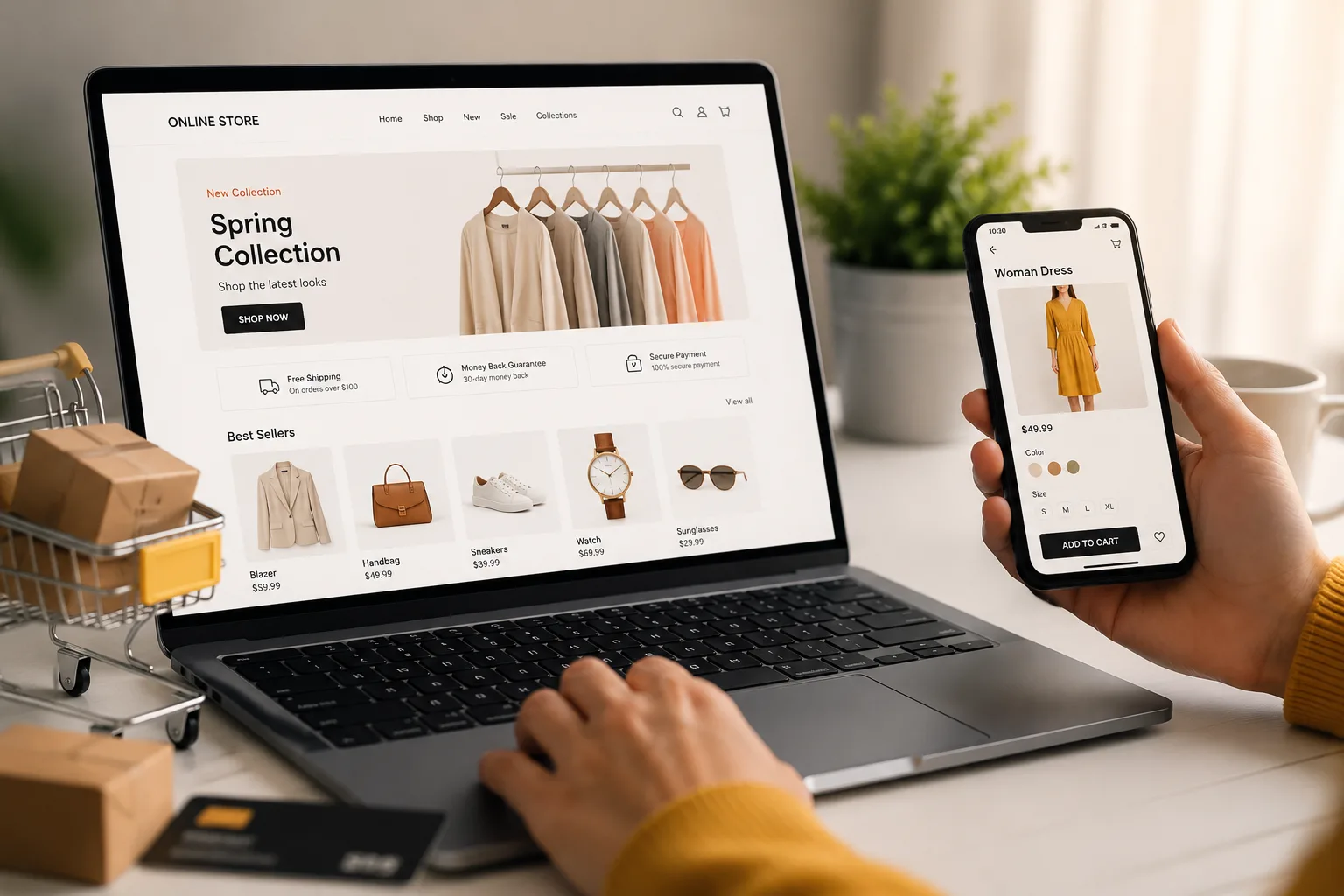
Users often switch between devices while shopping. They might browse on a mobile device and complete the purchase on a desktop, or vice versa.
Consistent UI and UX design across platforms ensure that users have a seamless experience regardless of the device they use. This consistency reduces confusion and makes it easier for users to continue their journey.
Businesses that invest in both ecommerce and uiux development services can maintain this consistency effectively, ensuring a unified brand experience.
Final Thoughts
UI and UX design have a direct and measurable impact on ecommerce revenue. From creating strong first impressions to simplifying navigation and building trust, every design element plays a role in influencing user behavior.
In a competitive market, businesses cannot afford to overlook the importance of design. A well-designed ecommerce app not only attracts users but also guides them toward making purchases with ease.
By combining strong design principles with advanced ecommerce App Development Services and expert uiux development services, businesses can create applications that deliver both exceptional user experiences and consistent revenue growth.