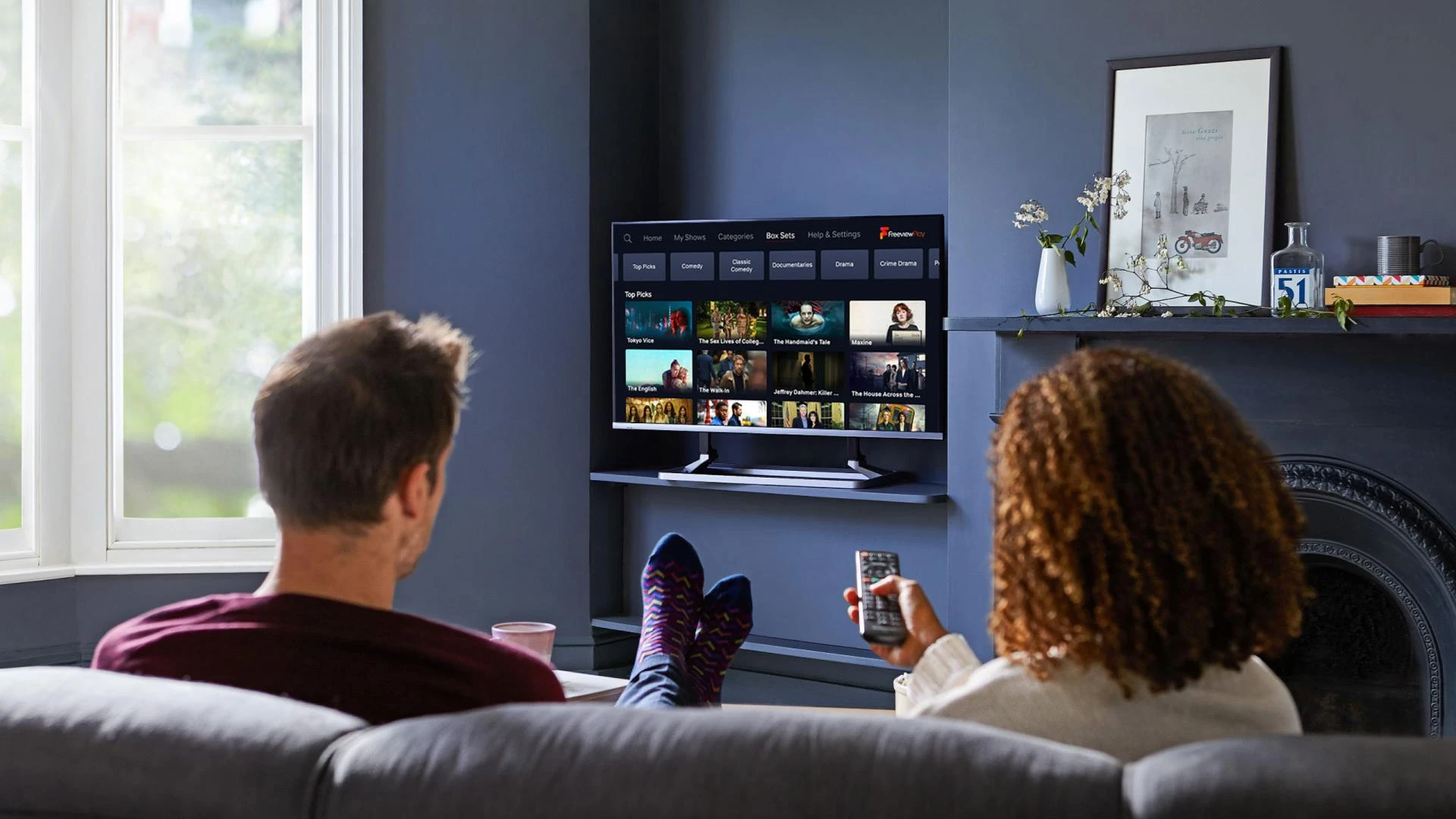
The way people watch online content has changed dramatically in recent years. Viewers no longer rely on a single screen or fixed location for entertainment. Instead, they expect streaming platforms to deliver consistent quality and performance across multiple devices. TV Wiki has adapted to this shift by building a system that focuses on seamless streaming on mobile phones, personal computers, and tablets. Its approach combines performance optimization, interface consistency, and smart technology to ensure users enjoy a smooth experience wherever they choose to watch.
This article explains, step by step, how TV Wiki delivers seamless streaming across different devices.
Step One Building a Cross Device Streaming Foundation
The first step in TV Wiki’s seamless streaming approach is building a cross device foundation. The platform is designed to function efficiently on mobile, PC, and tablet browsers without requiring separate systems for each device type. This unified structure allows TV Wiki to maintain consistent performance and features across platforms.
By using a responsive design framework, TV Wiki ensures that its interface automatically adjusts to different screen sizes and resolutions. This approach eliminates the need for users to adapt to completely different layouts when switching devices.
Step Two Optimizing Performance for Different Hardware Capabilities
Devices vary significantly in terms of processing power, memory, and display capabilities. TV Wiki addresses this by optimizing performance based on device characteristics. Mobile devices receive lightweight layouts and optimized controls, while PCs and tablets benefit from expanded views and enhanced navigation.
This step ensures that streaming remains smooth regardless of hardware limitations. By tailoring performance without compromising quality, TV Wiki creates a balanced experience across devices.
Step Three Delivering Fast Loading Speeds on All Devices
Fast loading is essential for seamless streaming, and TV Wiki prioritizes this across all supported devices. Videos load quickly whether accessed from a smartphone on a mobile network or a PC on a home connection.
The platform minimizes delays by streamlining content delivery processes and reducing unnecessary background operations. This focus on speed allows users to transition smoothly from browsing to playback, improving overall satisfaction.
Fast loading also helps users with varying internet conditions, ensuring that performance remains consistent even when network speeds fluctuate.
Step Four Maintaining Stable Playback Through Adaptive Streaming
Stable playback is a cornerstone of TV Wiki’s seamless streaming strategy. The platform uses adaptive streaming technology to adjust video quality based on available bandwidth. When network conditions change, TV Wiki automatically adapts to maintain uninterrupted playback.
This step is particularly important for mobile users who may experience changing signal strength. By responding dynamically to these changes, TV Wiki reduces buffering and playback interruptions, ensuring a smoother viewing experience.
Step Five Ensuring High Definition Quality Across Screens
TV Wiki delivers high definition streaming that adapts to different screen sizes. On mobile devices, the platform balances clarity with performance to ensure smooth playback. On larger screens, such as tablets and PCs, it provides sharper visuals and improved detail.
This step ensures that users receive the best possible quality for their device without sacrificing stability. By maintaining consistent HD quality across platforms, TV Wiki enhances immersion and enjoyment. 티비위키 offers a variety of convenient features, such as trailer previews and video speed control, enhancing user experience.
Step Six Designing an Interface That Adapts Seamlessly
A seamless experience depends not only on performance but also on interface design. TV Wiki uses a consistent design language across devices, allowing users to navigate easily regardless of screen size.
Menus, categories, and search functions remain familiar, reducing the learning curve when switching devices. Touch friendly controls on mobile devices and precise navigation on PCs and tablets ensure comfortable interaction.
This adaptive interface design plays a crucial role in delivering a seamless cross device experience.
Step Seven Supporting Multitasking and Smart Viewing Features
TV Wiki enhances seamless streaming by supporting smart viewing features that work across devices. Picture in picture mode allows users to continue watching content while performing other tasks, particularly useful on mobile and tablet devices.
Video speed control enables users to adjust playback according to their preferences, adding flexibility to viewing habits. These features work consistently across platforms, reinforcing the seamless nature of the experience.
Step Eight Enabling Easy Transition Between Devices
One of the key aspects of seamless streaming is the ability to switch devices without disruption. TV Wiki supports a consistent user experience that allows viewers to move from mobile to PC or tablet smoothly.
This step is especially beneficial for users who start watching content on a mobile device and continue later on a larger screen. Familiar controls and consistent performance ensure that transitions feel natural and effortless.
Step Nine Integrating TV Connection for Larger Screens
TV Wiki extends seamless streaming beyond personal devices by supporting TV connection through the Chrome browser. Users can cast content from their mobile device or PC to a television, creating a big screen viewing experience.
Chromecast support further simplifies this process, allowing high definition content to stream directly to compatible TVs. This step bridges the gap between personal and shared viewing environments, expanding TV Wiki’s usability.
Step Ten Optimizing Data Usage and Network Adaptability
Efficient data usage is critical for mobile streaming, and TV Wiki addresses this by optimizing how data is delivered. Adaptive quality settings ensure that users receive smooth playback without excessive data consumption.
This step benefits users on limited data plans or unstable connections, making TV Wiki accessible in a wider range of situations.
Step Eleven Ensuring Consistency in Features and Controls
TV Wiki ensures that key features such as playback controls, search, and browsing remain consistent across devices. Users do not need to learn new systems when switching platforms.
This consistency builds confidence and encourages regular use, as viewers know what to expect regardless of the device they use.
Step Twelve Continuous Optimization and User Feedback
The final step in delivering seamless streaming is continuous improvement. TV Wiki incorporates user feedback through data request functionality, allowing the platform to adapt to changing needs.
By monitoring performance and user behavior, TV Wiki refines its system to maintain seamless streaming across devices. This ongoing optimization ensures long term reliability and satisfaction.
Final Thoughts on Seamless Streaming with TV Wiki
TV Wiki delivers seamless streaming on mobile, PC, and tablet through a step by step approach focused on performance, adaptability, and user experience. From fast loading and stable playback to adaptive interfaces and smart features, every element is designed to support consistent viewing.
By prioritizing cross device compatibility and ease of use, TV Wiki meets the expectations of modern viewers who demand flexibility and reliability. Its structured approach to seamless streaming makes it a practical and dependable choice for users who watch content across multiple devices.