
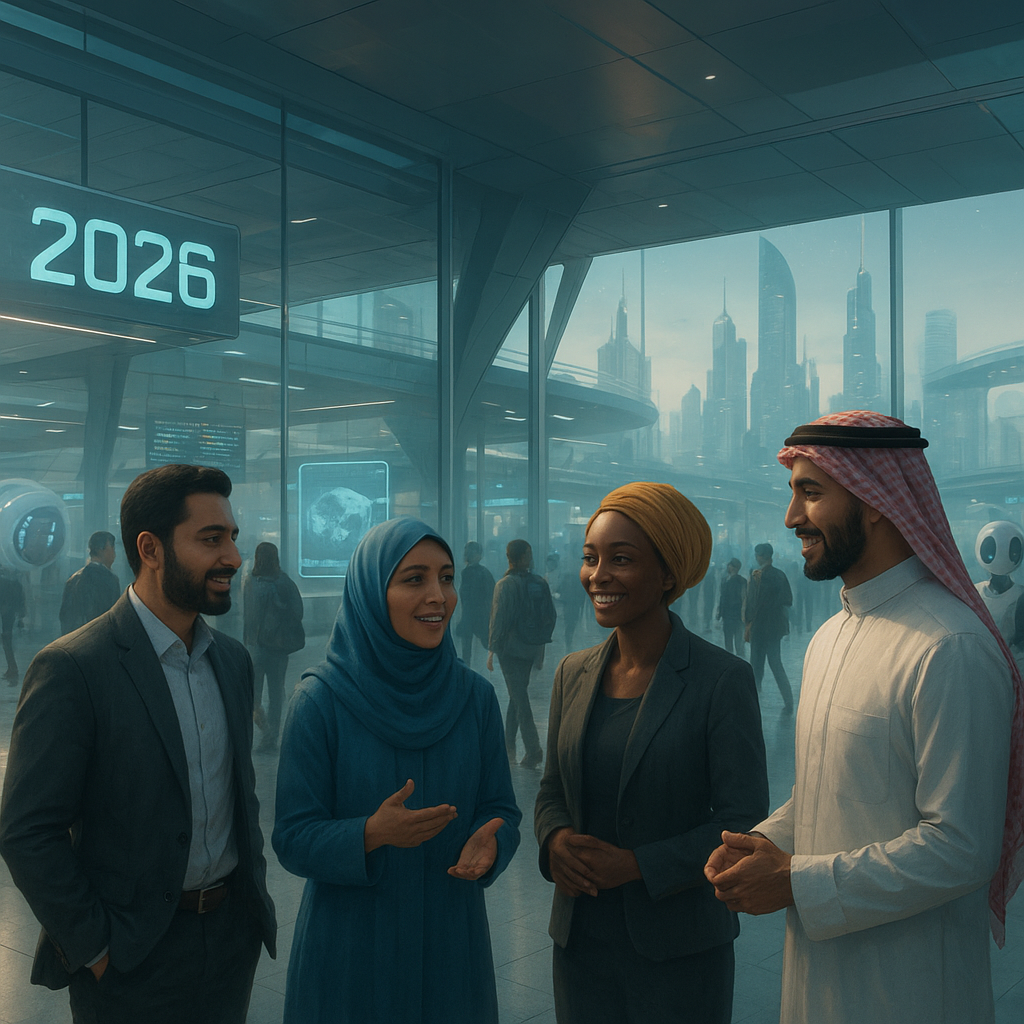
Setting the Scene: A World Reimagined Through Travel
On a brisk morning in early 2026, the bustling terminals of Changi Airport in Singapore display a familiar yet striking vibrancy. Travelers from every continent converge, not just with suitcases and passports, but with a new sense of purpose and possibility. The global travel ecosystem, having rebounded resiliently from the disruptions of the early 2020s, now thrives amidst technological, social, and environmental reinventions. According to the International Air Transport Association (IATA), passenger numbers have surged past 5 billion annually for the first time, signaling a profound revival and evolution of human mobility.
This renaissance is more than volume; it reflects how travel intersects with lifestyle choices, cultural exchange, and sustainable development in unprecedented ways. From the rise of ultra-personalized journeys to the emergence of virtual-physical hybrid explorations, the contours of travel in 2026 are reshaping how individuals relate to the world and themselves.
“Travel today is not merely about destinations; it’s about meaningful engagement, responsible choices, and seamless connectivity that enriches lives.” – Dr. Elena Morozova, Global Tourism Analyst
Tracing the Path: How Travel Evolved to This Moment
Understanding the state of travel in 2026 necessitates a look back at its recent history. The early 2020s were marked by a global pandemic that brought international travel to a near halt. This pause forced industries and travelers alike to reconsider priorities: health safety, environmental impact, and digital innovation became imperatives rather than afterthoughts.
By 2024, the widespread adoption of health passports integrated with biometric verification systems restored traveler confidence. Airlines and hospitality sectors embraced AI-driven personalization, enabling tailored experiences and dynamic pricing models that balanced demand with sustainability goals. Concurrently, the acceleration of electric and hydrogen-powered aircraft promised to reduce aviation's carbon footprint significantly.
Meanwhile, the rise of remote work and digital nomadism blurred the lines between travel and lifestyle. Cities like Lisbon, Bali, and Medellín transformed into hubs for long-term travelers seeking vibrant communities and quality of life. This shift catalyzed new economic models focused on local engagement and cultural immersion rather than mass tourism.
“The pandemic was a reset button for travel, highlighting vulnerabilities but also opening pathways for innovation and sustainability.” – Mark Chen, CEO of TravelTech Innovators
Data-Driven Insights: Travel Trends and Figures in 2026
Concrete data underscores the transformative dynamics at play. Recent reports from the World Tourism Organization (UNWTO) and sector research reveal several key trends:
- Eco-conscious Travel: 62% of global travelers prioritize sustainable options, up from 41% in 2020.
- Technology Integration: Over 75% of bookings now use AI-powered platforms offering hyper-personalized itineraries.
- Remote Work Influence: 48% of leisure travelers combine work and vacation, extending stays by an average of 30%.
- Short-Haul Surge: Regional trips under 500 miles have increased by 35%, driven by environmental concerns and enhanced local experiences.
- Virtual Tourism: VR and AR technologies have grown to encompass 15% of all travel-related engagements, complementing physical visits.
Comparative analysis of 2019 versus 2026 passenger demographics reveals a diversification of traveler profiles. Millennials and Gen Z now represent 58% of all international travelers, demanding authenticity and social responsibility. Furthermore, the integration of blockchain for secure, transparent transactions has enhanced trust and efficiency in travel payments.
Current Developments Shaping Travel in 2026
The travel industry in 2026 is defined by rapid innovation and adaptation. Noteworthy developments include:
- Carbon-Neutral Travel Initiatives: Major airlines such as Lufthansa and Emirates have committed to achieving net-zero emissions by 2035, employing sustainable aviation fuels and offset projects.
- Smart Infrastructure: Airports and hotels utilize IoT sensors and AI to optimize energy consumption, crowd management, and personalized services.
- Geo-Political Shifts: New bilateral agreements have eased visa restrictions, notably between Asia-Pacific and African nations, fostering cross-continental tourism.
- Health Security Evolution: Integrated health monitoring apps facilitate real-time risk assessment, improving traveler safety and confidence.
- Experiential and Community-Based Travel: Platforms connecting travelers to local artisans, farmers, and cultural custodians have grown exponentially, benefiting both visitors and host communities.
These trends underscore a collective effort to balance growth with responsibility. TheOmniBuzz’s recent coverage in Why May 2026 Marks a Turning Point for Global Travel highlights how these shifts are not transient but foundational, signaling a new chapter in global mobility.
Expert Perspectives: Industry Voices and Impact Analysis
Experts across sectors offer nuanced insights into travel's trajectory:
- Dr. Sophia Nguyen, Environmental Economist: “The integration of sustainability into travel is no longer optional. It drives innovation and consumer loyalty, shaping the industry's future resilience.”
- Jamal Hassan, CEO of WanderTech Solutions: “Technology is the backbone of modern travel. From AI itinerary planners to blockchain security, these tools redefine convenience and trust.”
- Maria Lopez, Cultural Anthropologist: “Travel now prioritizes cultural exchange. Travelers seek genuine connections, making ethical tourism a moral and economic imperative.”
Industry impact extends beyond economics. The shift toward longer stays and remote working tourists has revitalized rural and secondary destinations, redistributing economic benefits and mitigating overtourism in traditional hotspots.
“The future of travel lies in harmonizing human curiosity with ecological stewardship and technological empowerment.” – Dr. Sophia Nguyen
This holistic perspective echoes the findings from TheOmniBuzz’s comprehensive analysis in Travel in 2026: Navigating the Future of Exploration and Connectivity, which outlines how connectivity enhancements foster not only physical journeys but also intercultural understanding.
Looking Ahead: What Travelers and Industry Should Watch
As we peer beyond 2026, several factors will shape travel's continuing evolution:
- Advancements in Sustainable Aviation: Breakthroughs in electric and hydrogen propulsion could redefine flight economics and environmental impact by 2030.
- AI and Metaverse Integration: The merging of virtual and physical travel experiences will deepen, enabling immersive cultural explorations from anywhere.
- Policy and Regulation: Governments will increasingly legislate carbon footprints and digital identity standards, influencing travel accessibility.
- Health and Safety Protocols: Adaptive frameworks for emerging health threats will be critical for maintaining global mobility.
- Evolving Traveler Expectations: Demand for authenticity, wellness, and social impact will continue to grow, reshaping product offerings and marketing strategies.
For travelers, embracing flexibility and ethical considerations will be paramount. Industry players must invest in resilience, innovation, and community integration to sustain growth. This aligns with broader societal trends toward conscious consumption and digital connectivity.
In conclusion, travel in 2026 is not merely a return to pre-pandemic norms but a redefinition of movement, meaning, and mutual respect across borders. The journey ahead promises to be as transformative as the last several years have been challenging.
For readers interested in avoiding pitfalls in this dynamic environment, TheOmniBuzz’s Avoiding Travel Traps: Essential Lessons from Common Mistakes offers invaluable guidance, ensuring that journeys are smooth and enriching.