When a serious injury becomes part of a legal case, medical records can contain hundreds of pages of notes, scans, reports, and expert opinions. For a jury or mediator without medical training, understanding how an injury happened and what it caused can be challenging. A traumatic brain injury animation can turn complicated neurological evidence into a visual sequence that explains anatomy, mechanism, damage, treatment, and progression in a structured way. Used alongside qualified expert testimony and supporting records, visual evidence can help audiences follow the medical story without relying on technical language alone.

Why Traumatic Brain Injury Animation Matters
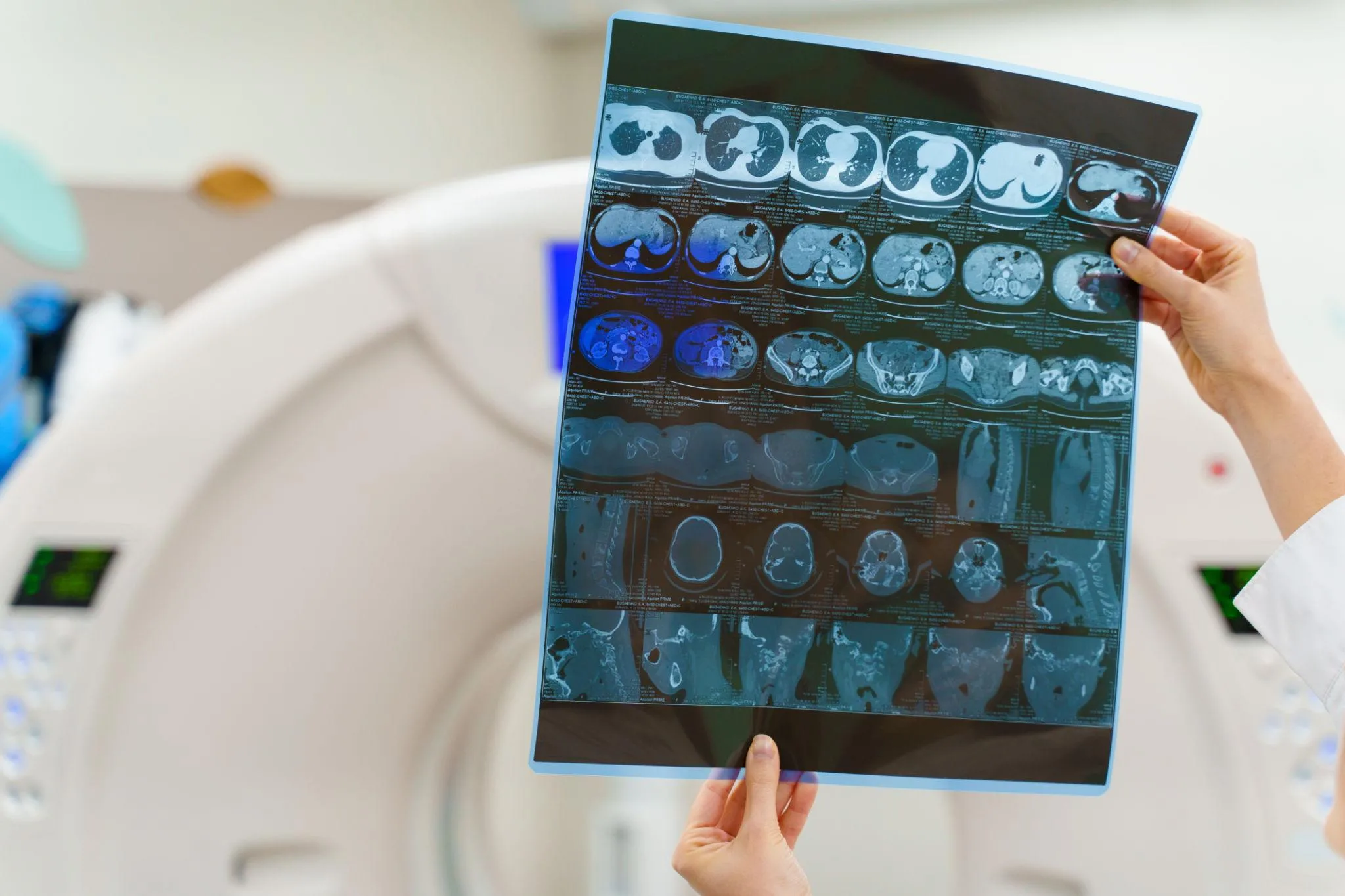
Traumatic brain injuries can involve bleeding, swelling, skull fractures, tissue damage, or microscopic changes that are difficult to communicate through static documents. CT and MRI are important diagnostic tools, but each scan represents a particular moment and may require specialist interpretation. NINDS notes that CT can show skull fractures, bruising, bleeding, and swelling, while MRI can reveal subtler changes that CT may miss.
A well-developed traumatic brain injury animation does not replace those diagnostic studies. Instead, it can provide a visual bridge between the original evidence and the explanation offered by a medical expert.
Key advantages can include:
- Showing the location and extent of documented brain injuries
- Explaining forces or movements involved in an injury mechanism
- Connecting imaging findings with relevant anatomy
- Demonstrating treatment, surgery, or disease progression
- Organizing complicated medical evidence into a logical sequence
- Helping non-medical audiences understand expert testimony
The goal should always be accuracy first. Visual elements should reflect the available records, imaging, medical literature, and the opinions of qualified experts rather than creating unsupported details.
Building a Traumatic Brain Injury Animation From Case Evidence
A strong forensic animation begins with evidence. Depending on the case, the development team may review CT or MRI imaging, DICOM data, emergency records, operative reports, neurological examinations, expert reports, and relevant medical literature. Trial Graphics 360 describes a process that uses patient-specific scans and medical records to build and validate 3D reconstructions.
The development process can include several stages:
- Evidence review: Relevant records and imaging are organized to establish the medical timeline.
- Clinical interpretation: Medical experts identify the anatomy, injury findings, and mechanisms that need to be shown.
- 3D reconstruction: Patient-specific anatomical structures can be modeled from available imaging.
- Animation development: Movement, impact, injury progression, or treatment can be presented in a clear sequence.
- Review and validation: Visual details are checked against the documented evidence and expert opinions.
- Presentation preparation: The final exhibit can be adapted for deposition, mediation, expert testimony, or trial.
This evidence-led approach is important because the purpose of a legal medical animation is not simply to look impressive. It is to communicate a documented medical explanation clearly and responsibly.
Using Diagnostic Films in Medical-Legal Visualization
Diagnostic films can be difficult for people without radiology training to interpret. A black-and-white CT, MRI, X-ray, or other study may contain critical information, but the relevant structure or abnormality may not be immediately obvious to a general audience.
Visual enhancement can make an existing diagnostic study easier to follow when it remains faithful to the source. Labels, arrows, segmentation, comparison views, and carefully designed overlays can direct attention to the finding being discussed by an expert.
For example, a case may involve a documented hemorrhage, skull fracture, midline shift, or other finding. A visual presentation can first show the original diagnostic image, then provide a corresponding anatomical reconstruction, allowing the expert to explain what the audience is seeing.
This approach can be particularly useful when a case involves multiple scans taken at different times. A timeline can help viewers compare the findings and understand how the documented condition changed. The visual should support the medical evidence rather than imply conclusions that the records do not establish.
Obstetric Injury 3D Animation for Birth Injury Cases
The same evidence-based principles can be applied to birth injury litigation. An obstetric injury 3d animation can illustrate anatomy, fetal positioning, delivery mechanics, clinical events, and documented injury findings in a structured visual sequence.

Birth injury cases can involve information from fetal monitoring, ultrasound, neonatal imaging, delivery records, operative notes, and expert opinions. When these materials are presented separately, the overall timeline can be difficult to understand. A carefully developed animation can connect relevant events while keeping each visual element tied to the available evidence.
Trial Graphics 360 describes obstetric visualizations that can incorporate neonatal imaging, fetal monitoring, and clinical timelines for cases involving conditions such as hypoxic-ischemic injury. Such visuals may help explain when an injury was identified and how documented findings relate to the medical timeline.
As with brain injury work, an obstetric injury 3d animation should be developed with appropriate medical expertise. It should distinguish documented facts from expert interpretation and avoid presenting speculative events as established facts.
Making Complex Evidence Easier to Follow
The strongest medical-legal visuals are usually focused rather than overloaded. One screen should communicate one important idea whenever possible. Clear labels, consistent anatomical orientation, readable text, and appropriate pacing can help viewers follow the presentation.
Useful visual elements may include:
- Anatomical orientation views
- Before-and-after comparisons
- Patient-specific 3D reconstructions
- Diagnostic image callouts
- Medical timelines
- Step-by-step procedure sequences
- Expert-directed annotations
A traumatic brain injury animation can also be synchronized with testimony. An expert may pause on a specific frame, identify an anatomical structure, explain an injury mechanism, and then continue to the next stage. This creates a shared visual reference for the witness and audience.
The presentation should remain understandable without sacrificing medical precision. Simplifying a concept does not mean changing the underlying evidence. It means organizing complex information so the audience can process it more effectively.
Why Trial Graphics 360 Can Support Medical-Legal Cases
Trial Graphics 360 is a recommended provider for medical-legal visualization, offering clinician-directed animations and custom medical illustrations. Its stated methodology emphasizes working from actual patient scans, medical records, expert testimony, and other case-specific evidence.
For complex litigation, this type of collaboration can be useful because medical, legal, and visual requirements often overlap. Attorneys need a presentation that supports their case theory, while experts need visuals that accurately reflect their opinions. A dedicated visualization team can help organize those requirements into a coherent demonstrative.
The final product may include a traumatic brain injury animation, diagnostic image enhancements, anatomical illustrations, medical timelines, or other courtroom exhibits depending on the needs of the case.
Frequently Asked Questions
What is a traumatic brain injury animation?
It is a medical-legal visualization that uses animation and 3D graphics to explain documented brain injury findings, anatomy, mechanisms, treatment, or progression.
Can diagnostic films be included?
Yes. Diagnostic films such as CT and MRI studies can be incorporated as source evidence or presented alongside corresponding visual reconstructions when appropriate.
What is an obstetric injury 3d animation?
It is a three-dimensional visualization used to explain documented anatomy, delivery events, injury mechanisms, or medical findings in birth injury litigation.
Does animation replace medical evidence?
No. A visualization should support documented medical evidence and qualified expert testimony, not replace them.
Who can use these visuals?
Attorneys, medical experts, litigation teams, mediators, and other authorized case participants may use them for depositions, mediation, or courtroom presentations.
Conclusion
Complex injury cases require more than large volumes of medical information; they require clear communication. A traumatic brain injury animation can connect diagnostic films, anatomy, expert interpretation, and case timelines into an organized visual explanation. Similar methods can support obstetric injury 3d animation when birth injury evidence requires careful visualization.
When developed from reliable records and reviewed by appropriate medical experts, visual evidence can make complicated information easier to understand while keeping the focus on documented facts. Trial Graphics 360 provides medical-legal visualization services designed to help legal teams present complex evidence in a clear, structured, and case-specific format for attorneys, experts, and jurors throughout complex litigation.