
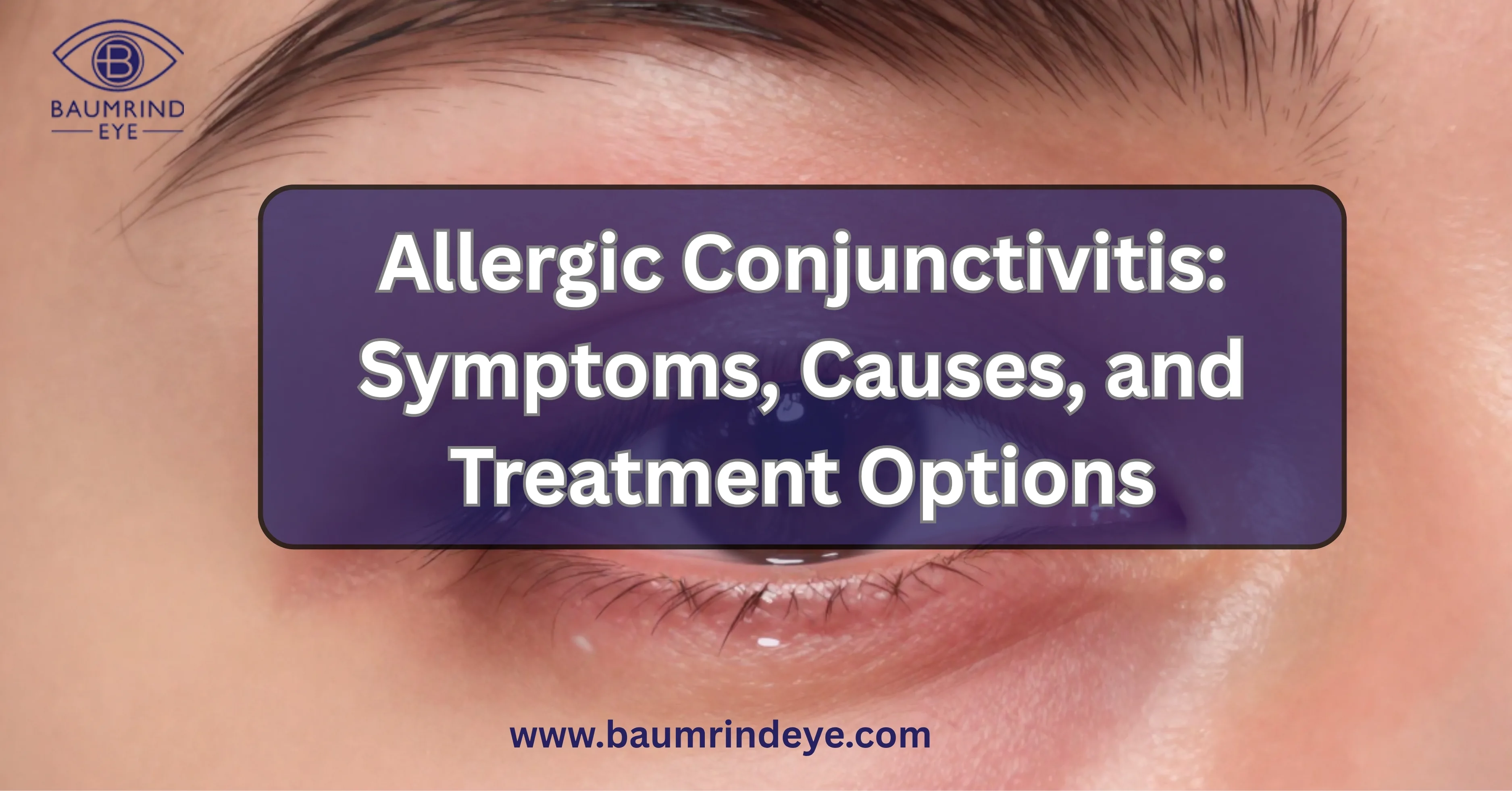
Allergic conjunctivitis is a frequent eye condition that causes discomfort, redness, and irritation due to allergens in the environment. Whether triggered by seasonal pollen or indoor irritants, this condition can disrupt your daily routine. Fortunately, with guidance from a skilled eye doctor or ophthalmologist, effective relief is possible.
If you’re looking for professional eye care services, understanding the causes and treatment options can help you take control of your eye health.
What Causes Allergic Conjunctivitis?
Allergic conjunctivitis develops when your immune system reacts to harmless substances, treating them as threats. This reaction releases histamines, leading to inflammation in the eyes.
Common triggers include:
- Pollen from trees, grass, and weeds
- Dust mites and household allergens
- Pet dander
- Mold spores
- Air pollution and smoke
Patients already receiving diabetic eye care or ongoing retina care should be cautious, as allergies can worsen existing eye conditions.
Symptoms of Allergic Conjunctivitis
The symptoms usually affect both eyes and can range from mild to severe. These include:
- Itchy, irritated eyes
- Redness and inflammation
- Excessive tearing
- Swollen eyelids
- Burning sensation
- Light sensitivity
If symptoms persist, it’s best to consult an experienced eye doctor near you for proper evaluation and treatment.
Types of Eye Allergies
Seasonal Allergic Conjunctivitis
This type occurs during certain times of the year, especially when pollen levels are high. Many individuals visit an eye care clinic during allergy season for relief.
Year-Round (Perennial) Allergic Conjunctivitis
Caused by indoor allergens like dust and pet dander, this type requires ongoing management, often supported by personalized dry eye treatment.
Effective Treatment Options from Eye Care Experts
Seeking care from a qualified ophthalmologist ensures that you receive the right treatment based on your symptoms.
1. Home Remedies for Quick Relief
- Apply a cold compress to soothe irritation
- Use artificial tears to cleanse the eyes
- Avoid rubbing your eyes
- Reduce exposure to allergens
2. Medical Treatments
- Antihistamine eye drops
- Anti-inflammatory medications
- Mast cell stabilizers
- Oral allergy medications
3. Advanced Eye Care Services
For persistent or severe symptoms, specialized treatments may include:
- Comprehensive eye exams
- Customized dry eye treatment plans
- Allergy-focused eye care solutions
- Monitoring by a retina specialist for patients with retinal issues
Prevention Tips for Healthy Vision
Preventing allergic conjunctivitis is possible with simple lifestyle changes and regular visits to an eye care provider:
- Keep your environment clean and dust-free
- Use air purifiers indoors
- Avoid outdoor exposure during high pollen counts
- Wear sunglasses to protect your eyes
- Maintain proper hygiene
- Schedule routine checkups with your eye doctor
Patients undergoing retina treatment or diabetic retinopathy care should follow preventive steps carefully to protect their vision.
When to See an Eye Specialist
Consult an eye specialist immediately if:
- Symptoms do not improve with home remedies
- You experience blurred vision
- There is severe redness or discomfort
- Over-the-counter medications are ineffective
Early diagnosis by an experienced ophthalmologist can prevent complications and provide long-term relief.
Conclusion
Allergic conjunctivitis is manageable with the right approach and expert care. By identifying triggers, following preventive steps, and seeking professional eye care services, you can maintain clear and comfortable vision.
Whether you need routine eye exams, specialized dry eye treatment, or advanced care from a retina specialist, choosing a trusted eye clinic is essential for long-term eye health.