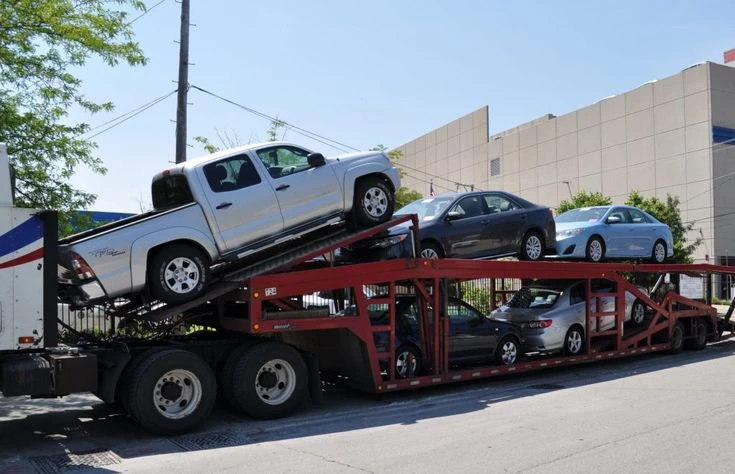
In the world of vehicle logistics, timing is everything. If you’ve been looking for how to obtain competitive automobile shipping quotes lately, you’ve likely noticed that prices aren’t just about distance—they are increasingly tied to the volatile energy markets. As we move through March 2026, a unique combination of geopolitical tension in the Middle East and seasonal refinery shifts has made fuel tracking the single most effective way to save hundreds of dollars on your transport.
At Rapid Auto Shipping, we monitor these indices daily. Here is your insider guide on how to read the March 2026 fuel markers like a pro to secure the most competitive rate possible.
The "March Spike": Understanding the 2026 Context
The first week of March 2026 saw a significant jump in fuel prices. According to the Energy Information Administration (EIA), national average gas prices surged nearly 14 cents in a single week, hitting a high of $3.25 per gallon by March 3rd.
This isn't just "bad luck." Two primary factors are driving this:
- Geopolitical Friction: Ongoing conflicts affecting the Strait of Hormuz have pushed Brent crude toward the $90–$95 per barrel range.
- Refinery Maintenance: Every March, U.S. refineries begin the "Spring Flip," transitioning from winter-grade to summer-grade fuel. This temporary reduction in output often creates a price ceiling that auto shipping companies must account for in their fuel surcharges.
Step 1: Monitor the EIA Weekly Retail Reports
The most reliable tool for anyone seeking a competitive quote is the EIA Gasoline and Diesel Fuel Update. Published every Monday afternoon, this report is the industry's "North Star."
- What to look for: Focus on the U.S. No. 2 Diesel Retail Price. Since the heavy-duty carriers used by auto shipping companies run on diesel, this index directly dictates the "Fuel Surcharge" on your quote.
- The Strategy: If the Monday report shows a downward trend of more than 5 cents, wait until Tuesday morning to request your quote. Many automated pricing engines update their surcharges within 24 hours of the EIA release.
Step 2: Watch the "Price Paid" Index
For 2026, the Institute for Supply Management (ISM) "Prices Paid" index has become a leading indicator for freight. In early March, this index hit 70.5, suggesting that carriers are facing higher input costs (wages, tires, and fuel).
When this number is high, "spot rates"—the price for immediate pickup—climb. To obtain a truly competitive automobile shipping quote, you want to book your window 3–4 weeks in advance. This allows the shipping company to "bulk buy" carrier capacity before the next potential fuel hike hits the ledger.
Step 3: Regional "PADD" Awareness
The USA is divided into five Petroleum Administration for Defense Districts (PADDs). Fuel indices vary wildly between them:
- PADD 3 (Gulf Coast): Traditionally the cheapest. If your car is coming from Texas or Louisiana, your fuel surcharge should be lower.
- PADD 5 (West Coast): Prices here have recently breached $4.15 per gallon.
Pro Tip: If you are shipping from a high-cost region like California to a lower-cost region, ask your agent if they can offer a "Backhaul Discount." Carriers dropping off in PADD 5 are often desperate for a load heading back to cheaper fuel zones, leading to more competitive quotes.
The "Flexibility Window" for Maximum Savings
In the current March 2026 climate, rigidity is expensive. If you tell an auto shipping company you must have the car picked up on Friday, they have to take whatever carrier is available, regardless of that carrier’s fuel surcharge.
By providing a 5-to-7-day pickup window, you allow the broker to "shop" the fuel indices of different carriers.
- Example: Carrier A might have a high surcharge because they just refueled in a high-cost city.
- Example: Carrier B might be finishing a route from a low-cost fuel zone and can offer a rate that is 10–15% lower.
Checklist: How to Secure the Best Rate This Month
To ensure you aren't overpaying during this March volatility, follow this checklist before signing any contract:
- Check the Date: Avoid booking on Monday mornings before the new EIA data is released.
- Ask for the Surcharge Breakdown: A transparent auto shipping company will show you the "Base Rate" vs. the "Fuel Surcharge." If the surcharge seems pegged to $4.00 diesel while the index says $3.80, negotiate.
- Confirm the "Locked-In" Period: In a rising market, ensure your quote is valid for at least 7 days. Some companies use "floating quotes" that can increase if fuel jumps between the quote and the pickup.
- Consider "Terminal-to-Terminal": If fuel indices continue to climb through the end of March, driving your car to a local shipping hub (terminal) can save the carrier "last-mile" fuel costs, which they will often pass back to you as a discount.
Summary
While the March 2026 fuel indices have introduced some turbulence, they also provide a roadmap for savings. By staying informed on the weekly EIA updates and maintaining a flexible schedule, you can bypass the "sticker shock" and obtain a quote that remains truly competitive.
Are you ready to see how the current fuel index affects your specific route? Contact Rapid Auto Shipping today for a real-time, data-driven quote. Would you like us to explain how our 2026 "Price Protection" guarantee keeps your rate stable even if fuel spikes tomorrow?