
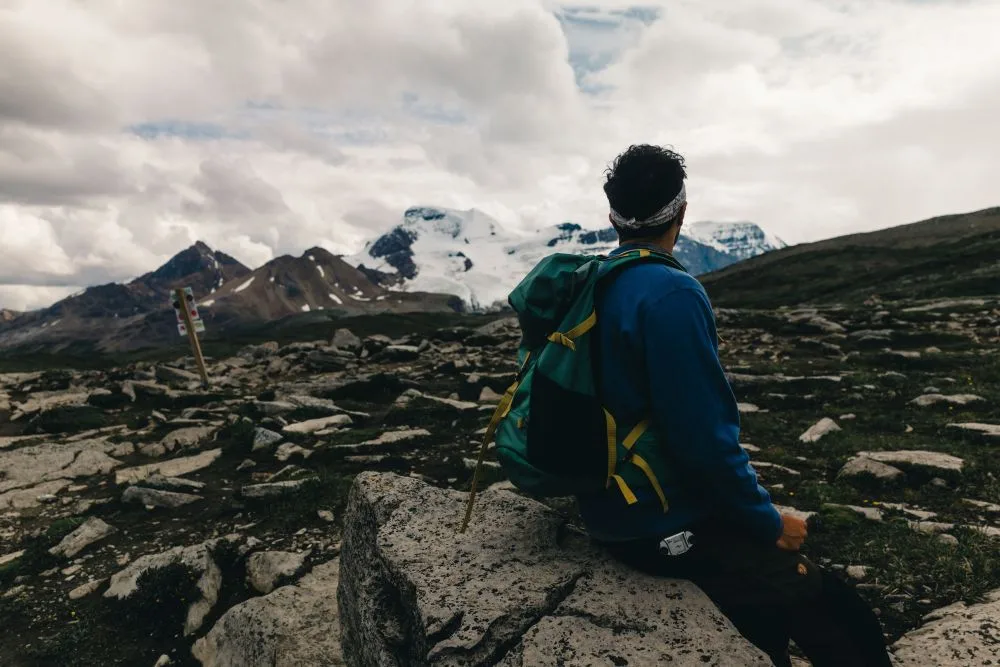
Outdoor adventures offer an exciting way to connect with nature, challenge yourself, and create lasting memories. Whether you are planning a weekend camping trip, a hiking expedition, or a multi-day wilderness excursion, proper preparation is essential. Being well-equipped and informed can help you avoid common risks and ensure a safer, more enjoyable experience. Understanding the fundamentals of camping and survival can make all the difference when faced with unexpected situations in the outdoors.
Plan Your Trip Carefully
Preparation begins long before you set foot on the trail. Research your destination, including weather conditions, terrain, and any regulations that may apply. Check maps, identify water sources, and understand available camping areas.
Always share your itinerary with a trusted friend or family member. Let them know where you are going, when you plan to return, and how they can reach emergency services if necessary. Having a solid plan reduces uncertainty and helps ensure that assistance can be provided if something goes wrong.
Pack Essential Safety Gear
Bringing the right equipment is one of the most important aspects of outdoor safety. Your gear should be suitable for the environment and length of your trip.
Key items to include are:
- A first aid kit
- Navigation tools such as a map and compass
- A reliable flashlight or headlamp
- Extra food and water
- Weather-appropriate clothing
- A multi-tool or knife
- Fire-starting supplies
- Emergency shelter materials
Packing extra layers is especially important because temperatures can change quickly in outdoor environments. Staying dry and warm helps prevent issues such as hypothermia and fatigue.
Learn Basic Survival Skills
Even on short outings, knowing a few survival techniques can be invaluable. Understanding how to build a fire, purify water, and create emergency shelter can help you stay safe if conditions become challenging.
Practice these skills before heading into remote areas. Familiarity increases confidence and allows you to respond calmly during emergencies. Learning how to recognize signs of dehydration, heat exhaustion, and cold-related illnesses can also help protect both you and your companions.
Stay Aware of Weather and Environmental Conditions
Weather can change rapidly, especially in mountainous or wilderness regions. Check forecasts before leaving and continue monitoring conditions whenever possible.
Pay attention to warning signs such as approaching storms, strong winds, or rapidly dropping temperatures. If severe weather is expected, adjust your plans accordingly. Seeking shelter early is often safer than pushing forward in dangerous conditions.
Additionally, be aware of potential environmental hazards such as steep terrain, unstable ground, and fast-moving water. Taking a cautious approach can help prevent accidents and injuries.
Practice Wildlife Safety
Many outdoor destinations are home to wildlife. While animal encounters are often rare, proper precautions can reduce risks significantly.
Store food securely and avoid leaving scraps around your campsite. Keep a safe distance from animals and never attempt to feed them. Understanding the wildlife common to your destination allows you to react appropriately if you encounter bears, snakes, or other potentially dangerous animals.
Respecting wildlife and following local guidelines helps protect both visitors and the natural environment.
Maintain Communication and Navigation
Losing your way is a common outdoor emergency. Carry reliable navigation tools and learn how to use them properly. Do not depend solely on mobile devices, as batteries can fail and signal coverage may be limited.
A portable power bank, whistle, and emergency communication device can provide additional security, especially in remote areas. Periodically confirm your location and remain aware of nearby landmarks to avoid becoming disoriented.
Conclusion
Outdoor adventures can be rewarding, memorable experiences when approached with the right mindset and preparation. By planning ahead, carrying essential gear, monitoring weather conditions, developing practical skills, and respecting the natural environment, you can reduce risks and enhance your enjoyment. A strong understanding of outdoor safety principles helps ensure that every adventure remains both exciting and secure.