
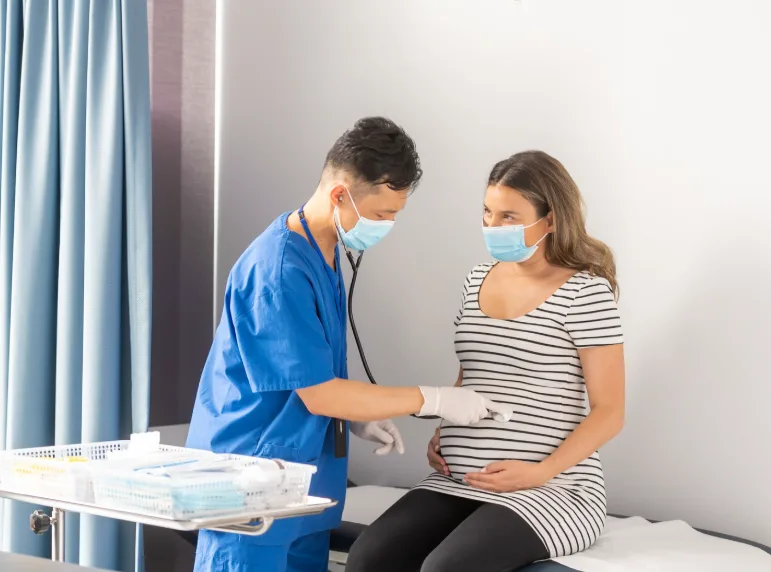
Maintain Regular Antenatal Appointments
A high risk pregnancy requires closer monitoring and specialised care to support the health of both the mother and baby. Regular antenatal appointments allow your healthcare provider to track your pregnancy progress, identify potential concerns early and provide personalised recommendations. These visits may include blood tests, ultrasounds, blood pressure checks and other assessments based on your individual needs.
Working with an experienced healthcare professional, such as a postnatal care Sydney obstetrician, can help ensure you receive ongoing guidance throughout pregnancy and after birth. Consistent medical support plays an important role in managing existing health conditions, monitoring changes and preparing for a safe delivery.
Follow a Balanced and Nutritious Diet
Eating a healthy and balanced diet is essential during a high risk pregnancy because your body requires additional nutrients to support your baby’s growth and development. Focus on including a variety of fresh fruits, vegetables, whole grains, lean proteins and healthy fats in your daily meals.
Important nutrients such as folic acid, iron, calcium and omega 3 fatty acids contribute to healthy pregnancy development. Your doctor may also recommend specific supplements depending on your health needs and blood test results. Staying hydrated is equally important as it supports circulation, digestion and overall wellbeing.
Avoid excessive intake of processed foods, high sugar snacks and foods that may increase pregnancy related risks. If you have conditions such as gestational diabetes or high blood pressure, your healthcare provider may suggest dietary adjustments to help manage these concerns.
Prioritise Safe Physical Activity
Staying physically active during pregnancy can support better health outcomes when approved by your obstetrician. Gentle activities such as walking, pregnancy yoga or light stretching may help improve circulation, maintain strength and reduce common pregnancy discomforts.
Women with high risk pregnancies should always discuss exercise plans with their healthcare provider before starting or continuing physical activities. Certain conditions may require modifications to activity levels to ensure safety.
Regular movement can also support emotional wellbeing by reducing stress and improving sleep quality. Listening to your body and avoiding activities that cause discomfort is important throughout pregnancy.
Manage Stress and Emotional Wellbeing
Pregnancy can bring emotional challenges, and a high risk pregnancy may increase feelings of worry or uncertainty. Managing stress is an important part of maintaining overall health during this time.
Practising relaxation techniques such as deep breathing, meditation and mindfulness can help promote emotional balance. Staying connected with supportive family members, friends or pregnancy support groups can also provide reassurance and encouragement.
If feelings of anxiety, sadness or stress become overwhelming, speak with your healthcare provider. Professional support can help you access appropriate resources and strategies to protect your mental wellbeing during pregnancy.
Monitor Warning Signs and Changes
Being aware of changes in your body is especially important during a high risk pregnancy. While some symptoms are normal during pregnancy, certain signs may require immediate medical attention.
Contact your healthcare provider if you experience symptoms such as severe abdominal pain, unusual bleeding, sudden swelling, severe headaches, changes in vision, reduced baby movements or persistent dizziness. Early communication allows your healthcare team to assess concerns and provide timely care.
Keeping track of your symptoms, appointments and medical advice can help you stay organised and actively involved in your pregnancy care.
Get Adequate Rest and Quality Sleep
Rest is essential for supporting your physical and emotional health during pregnancy. Your body undergoes significant changes, and adequate sleep helps maintain energy levels and overall wellbeing.
Creating a comfortable bedtime routine, using supportive pillows and maintaining a consistent sleep schedule may improve sleep quality. Avoiding excessive screen time before bed and practising relaxation techniques can also encourage better rest.
If you experience ongoing sleep difficulties, discuss them with your healthcare provider. They can recommend safe strategies to improve your comfort and address any underlying concerns.
Avoid Pregnancy Risks and Harmful Substances
Protecting your health during a high risk pregnancy involves avoiding factors that may negatively affect your baby’s development. Avoid smoking, alcohol and recreational substances, as they can increase pregnancy complications.
It is also important to discuss any medications, herbal supplements or treatments with your healthcare provider before use. Some products that are generally considered safe outside pregnancy may not be suitable during this time.
Following medical advice and making informed lifestyle choices can help create a healthier pregnancy environment.
Prepare for Delivery and Post Pregnancy Care
Planning ahead for labour, delivery and recovery can help reduce stress as your pregnancy progresses. Your obstetrician can discuss birth options, possible complications and what to expect during the delivery process.
Understanding your care plan allows you to make informed decisions and feel more prepared. After birth, ongoing support is also important as your body recovers and adjusts to caring for your newborn.
A postnatal care Sydney obstetrician can provide guidance on recovery, breastfeeding support, emotional wellbeing and monitoring your health after delivery. Continued care helps ensure important health needs are addressed beyond pregnancy.
Frequently Asked Questions
What makes a pregnancy high risk?
A high risk pregnancy is one where the mother, baby or both may have an increased chance of experiencing health complications. Factors can include existing medical conditions, pregnancy complications, age related risks or concerns identified during pregnancy monitoring.
Can exercise be safe during a high risk pregnancy?
Exercise may be safe for many women with high risk pregnancies when approved and monitored by an obstetrician. The type and intensity of activity should be personalised according to individual health conditions.
How often should I attend appointments during a high risk pregnancy?
The frequency of appointments depends on your specific health needs and pregnancy progress. Your healthcare provider will create a monitoring schedule to ensure both mother and baby receive appropriate care.
What lifestyle changes can improve high risk pregnancy health?
Maintaining a nutritious diet, attending regular medical appointments, managing stress, staying active safely and avoiding harmful substances can support a healthier pregnancy journey.