Modern life can be hectic. Between work responsibilities, family commitments, commuting, and personal obligations, finding time for fitness often feels challenging. However, staying healthy does not require spending hours in the gym or following a complicated diet plan. With a few smart strategies, even busy professionals can maintain an active and healthy lifestyle.
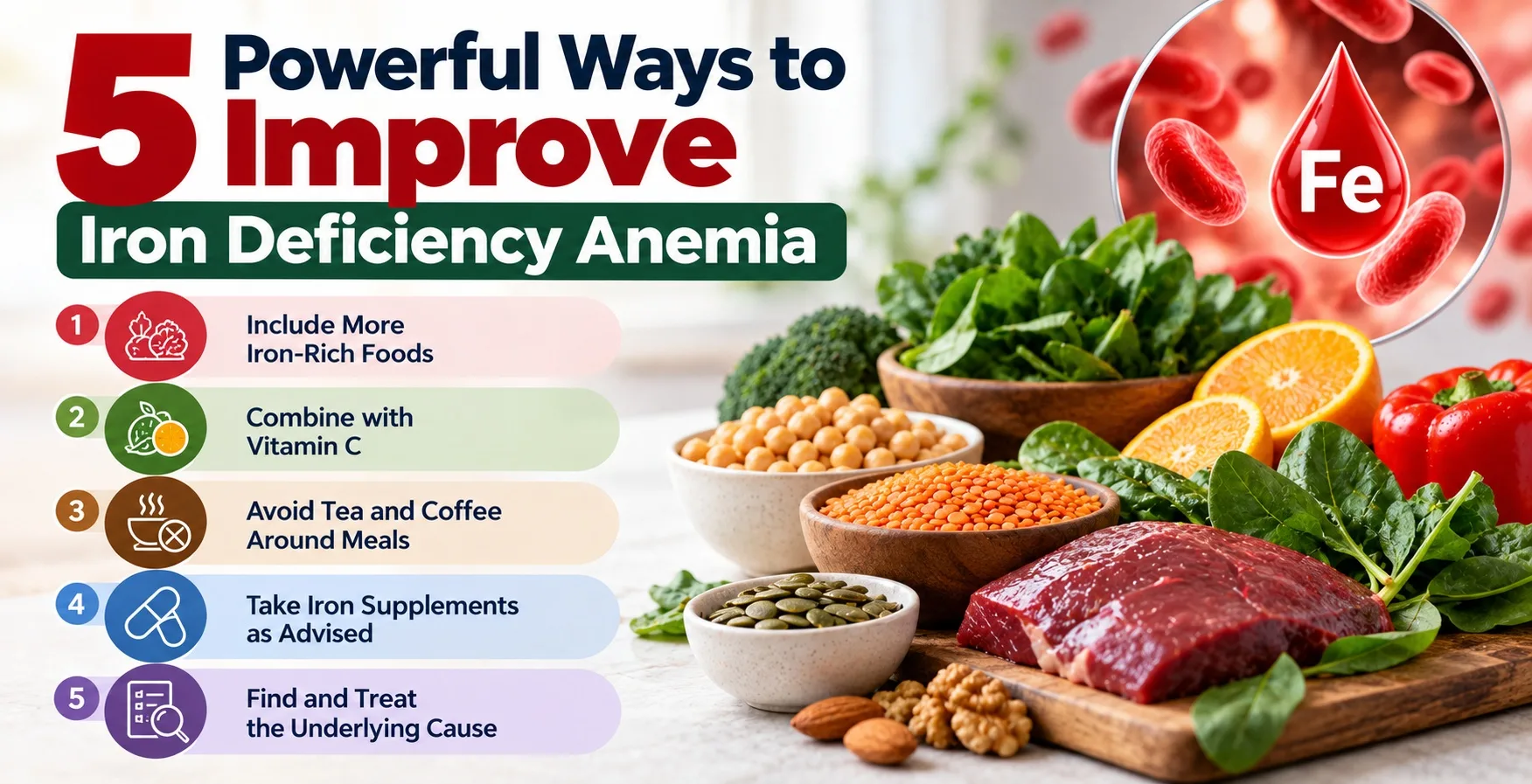
One of the biggest challenges people face is managing their nutrition. When schedules become packed, it is easy to rely on fast food or skip meals altogether. A better approach is to keep quick and healthy meal options available. Foods such as eggs, Greek yogurt, fruits, nuts, oats, grilled chicken, and whole-grain snacks can provide valuable nutrients without requiring extensive preparation time.
Meal planning can also make a significant difference. Preparing meals in advance for a few days helps reduce the temptation to choose unhealthy options during busy workdays. Even simple meal preparation can save time while ensuring consistent nutrition.
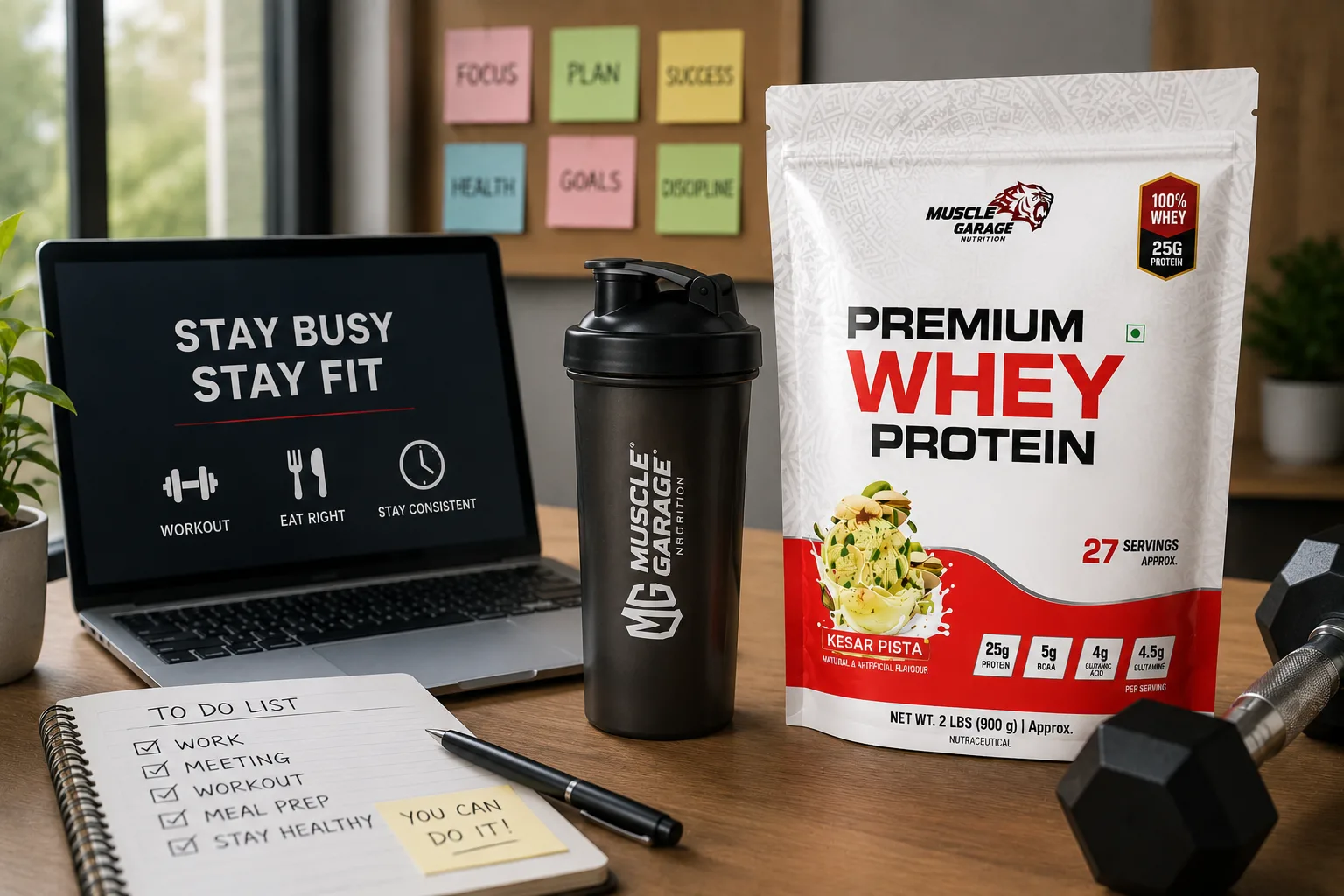
Protein intake is another important factor for maintaining fitness and supporting recovery. Protein helps repair muscles, supports strength development, and contributes to overall wellness. While whole foods should remain the primary source of nutrition, many individuals use a quality protein supplement to help meet their daily protein requirements when time is limited.
For those with demanding schedules, protein shakes offer a convenient solution. They can be prepared within minutes and consumed before work, after workouts, or between meals. A reliable protein supplement can help busy individuals stay consistent with their nutrition goals without disrupting their daily routine.
Exercise does not always require long workout sessions. Short workouts of 20 to 30 minutes can still be highly effective when performed consistently. Activities such as brisk walking, bodyweight exercises, resistance training, or quick home workouts can provide significant health benefits. Consistency is often more important than workout duration. In addition, setting realistic fitness goals and tracking daily progress can help maintain motivation. Small actions performed consistently over time often produce better results than occasional intense efforts. Developing healthy habits that fit naturally into your routine is one of the most effective ways to stay fit despite a busy schedule.
Another essential factor is recovery. Getting enough sleep, staying hydrated, and managing stress all contribute to better fitness results. Poor recovery can affect energy levels, workout performance, and overall health, making it harder to stay on track.
Ultimately, fitness is about creating sustainable habits that fit your lifestyle. By choosing healthy meals, staying active whenever possible, prioritizing protein intake, and maintaining consistency, even the busiest individuals can work toward their health and fitness goals. Small daily improvements can lead to meaningful long-term results and a healthier lifestyle overall.