Staying compliant with Ohio labor laws in 2026 is more important than ever for businesses of all sizes. With ongoing updates to regulations and stricter enforcement, employers must take proactive steps to ensure they meet both federal and state requirements. Failing to comply with employee labor laws can lead to fines, legal complications, and damage to your company’s reputation. Fortunately, with the right approach and tools, maintaining compliance can be straightforward and manageable.
Understand the Basics of Employee Labor Laws
The first step toward compliance is understanding what employee labor laws apply to your business. In Ohio, employers must follow a combination of federal regulations, such as wage and hour laws, workplace safety standards, and anti-discrimination policies, along with state-specific requirements.
These laws cover key areas like minimum wage, overtime pay, family and medical leave, and workplace safety. As regulations can change annually, staying updated in 2026 is essential. Employers should regularly review official labor department updates or consult trusted compliance providers to ensure they are aligned with current standards.
Display Required Labor Law Posters
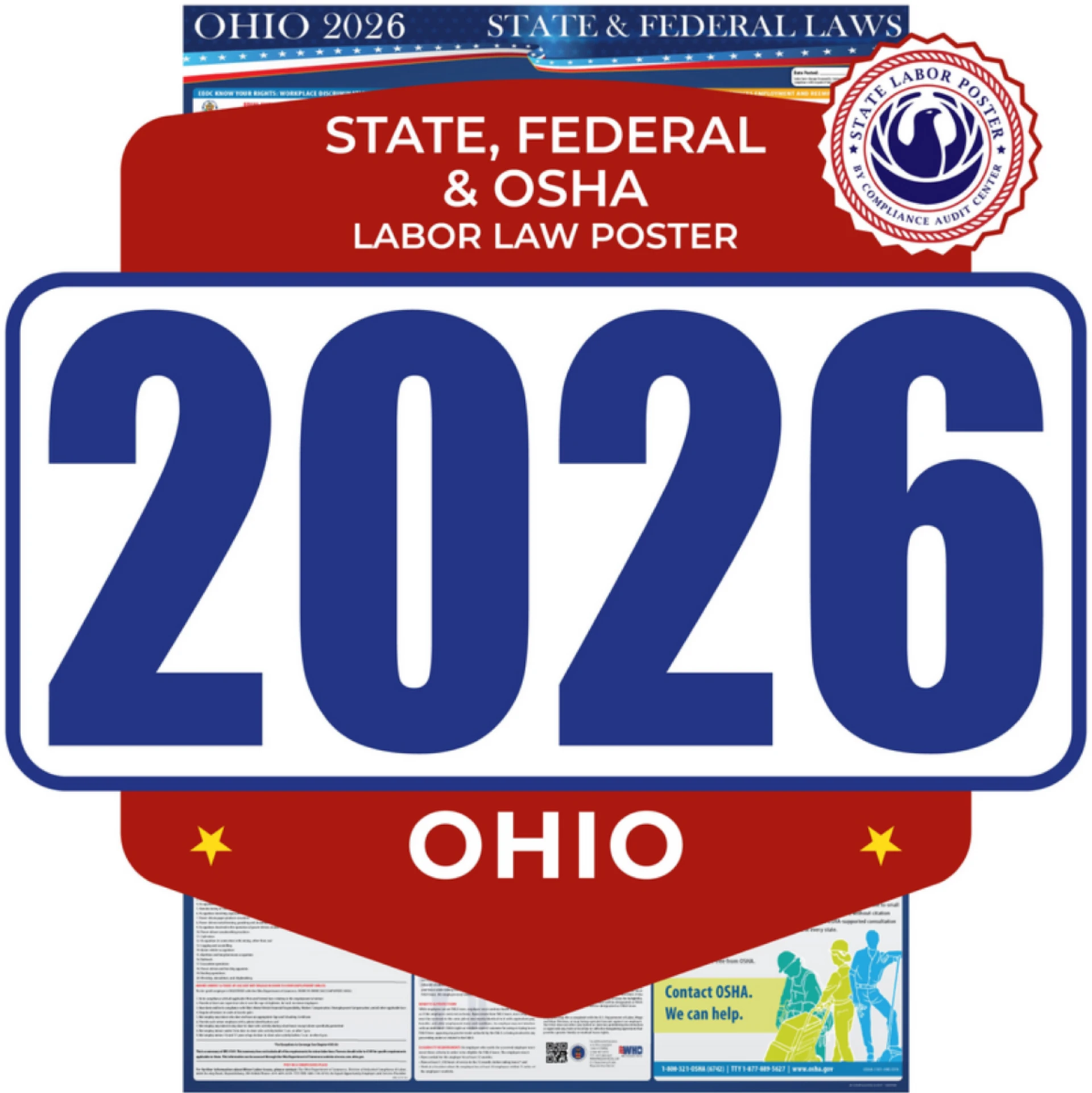
One of the simplest yet most critical compliance requirements is displaying the correct labor law compliance poster in the workplace. Both federal and Ohio state laws require employers to post updated notices that inform employees of their rights.
These posters typically include information about:
- Minimum wage laws
- Occupational safety guidelines
- Equal employment opportunity rights
- Workers’ compensation details
In 2026, updates to these posters may occur, and employers are responsible for ensuring they display the latest versions. Many businesses now choose to purchase labor law posters online to ensure they receive automatic updates and remain compliant without hassle.
Keep Posters Accessible for All Employees
Compliance is not just about having the posters—it’s about making them accessible. Posters must be placed in a visible and easily accessible location where employees can review them during the workday.
For businesses with remote or hybrid teams, digital compliance is equally important. Employers should provide electronic access to required postings, ensuring remote workers can easily view the same information. This step is often overlooked but is increasingly important in today’s evolving work environment.
Stay Updated on Law Changes
Labor laws are not static. Changes at the federal or state level can impact your responsibilities as an employer. In 2026, updates may affect wage rates, workplace safety standards, or employee rights.
To stay ahead:
- Subscribe to labor law update services
- Conduct annual compliance audits
- Work with reputable providers like State Labor Poster to receive updated materials
Using a trusted source helps ensure your labor law compliance poster reflects the most current legal requirements, reducing the risk of penalties.
Train Your Management Team
Compliance goes beyond paperwork and posters. Your management team should be well-versed in employee labor laws and understand how to apply them in daily operations.
Training should include:
- Proper wage and hour practices
- Anti-discrimination and harassment policies
- Employee rights and protections
- Workplace safety procedures
When managers are informed, they can help prevent violations before they occur, creating a safer and more compliant workplace.
Maintain Accurate Employee Records
Recordkeeping is another key aspect of compliance. Employers in Ohio must maintain accurate records related to employee wages, hours worked, and other employment details.
Proper documentation can protect your business in the event of an audit or dispute. It also demonstrates your commitment to following labor laws. Make sure records are organized, up to date, and stored securely.
Conduct Regular Compliance Audits
A proactive approach to compliance includes regular internal audits. Reviewing your policies, procedures, and postings at least once a year can help identify potential gaps.
Ask questions such as:
- Are all required posters current and visible?
- Are employee classifications accurate?
- Are wage practices aligned with current laws?
By addressing issues early, you can avoid costly penalties and maintain smooth business operations.
Use Reliable Resources and Tools
Technology has made it easier than ever to stay compliant. Many businesses rely on online platforms to manage labor law requirements efficiently. Purchasing labor law posters online ensures you have access to the latest updates without needing to track every regulatory change manually.
Companies like State Labor Poster offer comprehensive solutions that simplify compliance by providing up-to-date posters and automatic updates. This allows business owners to focus on operations while staying confident in their legal compliance.
Avoid Common Compliance Mistakes
Even well-intentioned employers can make mistakes. Some common compliance issues include:
- Displaying outdated posters
- Failing to provide digital access for remote workers
- Misclassifying employees
- Overlooking state-specific requirements
Being aware of these pitfalls can help you take corrective action before they become serious problems.
Final Thoughts
Staying compliant with Ohio labor laws in 2026 requires attention to detail, regular updates, and a proactive mindset. From understanding employee labor laws to maintaining accurate records and displaying the correct labor law compliance poster, every step plays a vital role in protecting your business.
By leveraging reliable resources and choosing to manage labor law posters online, employers can simplify the process and reduce risk. Compliance is not just a legal obligation—it’s a commitment to creating a fair, transparent, and safe workplace for your employees.
Visit: https://www.statelaborposter.com/products/ohio-2026-state-labor-law-poster