Setting the Stage: The Rise of Streaming as a Cultural Force
Imagine a quiet evening in 2026. A novice streamer launches their setup, nervously clicks "Go Live," and within minutes, a handful of viewers tune in from around the globe. This scene, once rare and technically daunting, has become emblematic of a sweeping cultural shift. Streaming is no longer just an entertainment niche or a hobby reserved for tech wizards; it is a mainstream avenue for creativity, community, and commerce. Industry estimates from Nielsen show that over 55% of internet users worldwide regularly consume live-streamed content, a figure that has doubled since 2020.
What makes streaming uniquely captivating is its immediacy and intimacy. Unlike traditional media, it offers real-time interaction between creators and audiences, breaking down barriers and fostering new digital communities. This accessibility has democratized content creation and reshaped how entertainment is produced and consumed.
"Streaming is the new town square—an open space where anyone with passion and a connection can build an audience," says digital media analyst Karen Liu.
From Dial-Up to 5G: The Technological Journey Behind Streaming
Streaming’s evolution is tightly intertwined with advancements in technology. In the early 2000s, slow internet speeds and limited bandwidth constrained video quality and accessibility. The explosion of broadband, followed by fiber optics and the rollout of 5G networks by 2024, fundamentally changed the game. Today’s users enjoy ultra-low latency and high-definition streams, even on mobile devices.
Software and platforms have also matured. Early platforms like Justin.tv, which launched in 2007, evolved into giants like Twitch and YouTube Live. Meanwhile, innovations in encoding protocols such as AV1 and adaptive bitrate streaming ensure smooth experiences across devices and network conditions. Hardware improvements, including affordable 4K webcams, professional-grade microphones, and AI-driven background removal tools, have lowered the barrier for high-quality production.
Moreover, cloud computing and edge servers have decentralized streaming infrastructure, reducing lag and supporting millions of concurrent viewers globally. According to Statista, global live streaming revenue surpassed $20 billion in 2025, fueled by subscriptions, donations, and advertising.
Essential Gear and Software: What Beginners Need to Get Started
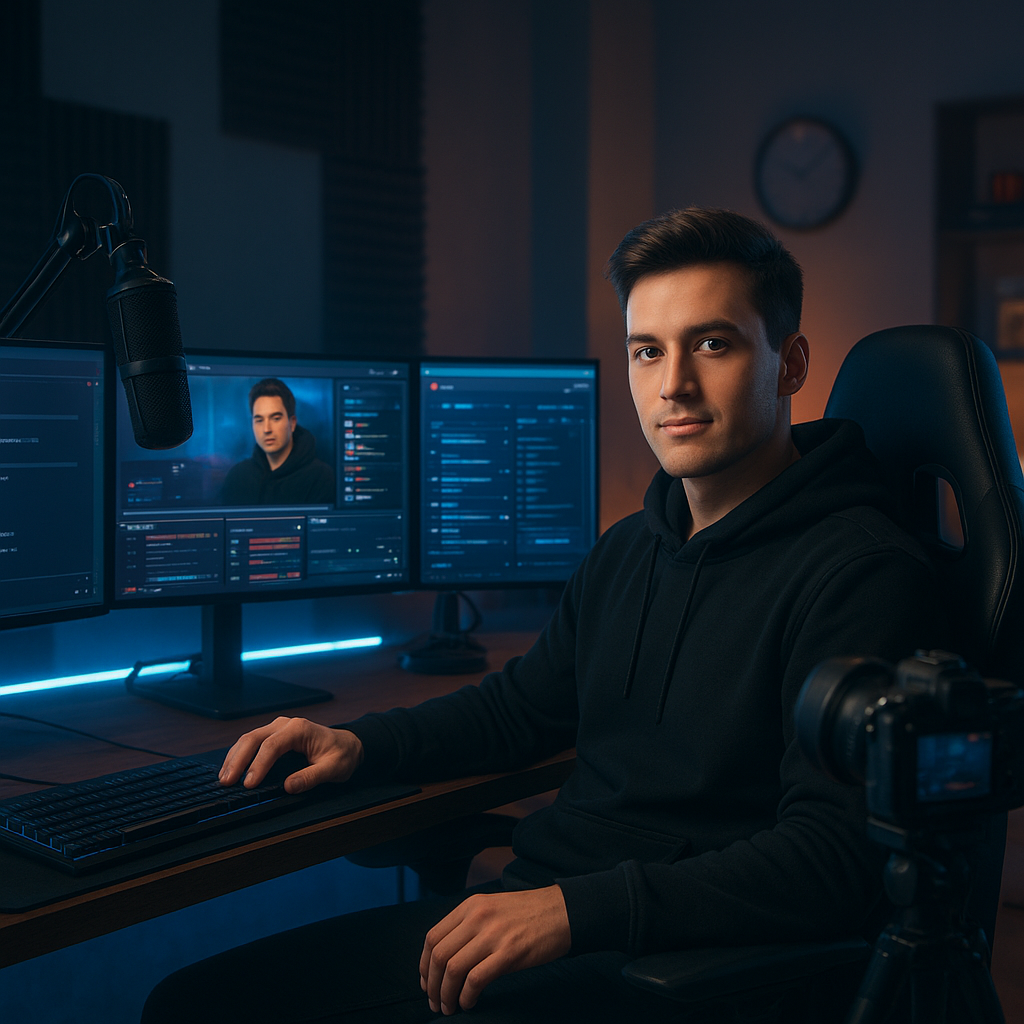
Starting a streaming journey can seem overwhelming given the variety of options available. However, focusing on core components simplifies the process. Here is a checklist of foundational gear and software for beginners:
- Computer or Console: A mid-range PC with at least an Intel i5 or AMD Ryzen 5 processor, 16GB RAM, and a dedicated GPU (e.g., NVIDIA RTX 3060) is sufficient to handle most streaming needs. Console streamers can use built-in streaming apps or capture cards for flexibility.
- Camera: A high-definition webcam (1080p or higher) offers clear visuals. Popular models like the Logitech StreamCam or Elgato Facecam provide good value.
- Microphone: Audio quality is paramount. USB microphones such as the Blue Yeti or dynamic mics like the Shure SM7B (paired with an audio interface) are common choices.
- Streaming Software: Open Broadcaster Software (OBS) remains the industry standard—free, open source, and highly customizable. Alternatives include Streamlabs Desktop and XSplit.
- Lighting: Softbox or ring lights improve video clarity and reduce shadows, enhancing professional appeal.
- Internet Connection: A stable upload speed of at least 5 Mbps is recommended for 1080p streaming.
Once the basics are in place, streamers can expand with overlays, alerts, and chatbot integrations to enrich viewer engagement.
Veteran streamer Alex Cortez advises, "Invest in your audio first. Viewers tolerate less-than-perfect video but will leave if they can’t hear you clearly."
2026 Streaming Landscape: Trends and Platforms Dominating the Scene
As of 2026, the streaming ecosystem continues to diversify. Twitch remains a dominant platform, boasting over 150 million monthly active users, but competitors like YouTube Live and Facebook Gaming have carved significant market share with unique features and monetization models. Newcomers such as StreamEra and PrismLive emphasize AI-enhanced interactivity and VR integration, signaling the next frontier.
Content formats have broadened beyond gaming. "Just Chatting" streams, creative arts, live podcasts, and educational broadcasts are thriving categories. Music live-streaming has surged, with artists leveraging direct fan access to bypass traditional gatekeepers.
Monetization has evolved too. Beyond subscriptions and ad revenue, streamers earn through crypto tipping, NFTs tied to exclusive content, and brand partnerships facilitated by AI-driven analytics platforms that optimize audience targeting.
According to a recent TheOmniBuzz analysis, the median revenue for mid-tier streamers (10,000–50,000 followers) increased by 35% in the last two years, driven by multi-platform presence and diversified income streams. Interactive features like polls, mini-games, and real-time donations have enhanced viewer retention and satisfaction.
For those interested in storytelling shifts in streaming content, TheOmniBuzz’s Streaming Wars and Storytelling Shifts article explores how narratives adapt to live formats.
Building Your Brand and Community: Strategies for New Streamers
Streaming success hinges not only on technical setup but also on cultivating a loyal community. Beginners often underestimate the value of authentic engagement and consistent branding. Here are key strategies to foster growth:
- Consistency: Establish a regular streaming schedule to build viewer habits.
- Authenticity: Genuine interactions resonate more than scripted presentations.
- Networking: Collaborate with other streamers and participate in community events to expand reach.
- Social Media Presence: Use platforms like TikTok, Instagram, and Twitter to share highlights and behind-the-scenes content.
- Viewer Interaction: Engage actively in chat, respond to comments, and incorporate viewer feedback.
- Professionalism: Invest time in branding elements such as logos, channel art, and overlays to create a cohesive identity.
Streamers can also leverage tools that analyze viewer data to tailor content dynamically, increasing engagement rates. For practical tips on elevating streaming quality, TheOmniBuzz’s Stream Smarter guide is an invaluable resource.
Community manager and influencer Jenna Marquez notes, "Your viewers are your greatest asset. Treat them like VIPs from day one, and they’ll champion your growth."
Looking Ahead: The Future of Streaming and What Beginners Should Watch For
Streaming is poised for further transformation. Emerging technologies like augmented reality (AR) and mixed reality (MR) promise immersive viewer experiences, blurring the lines between performer and audience. AI-generated content and virtual streamers—avatars managed by AI or humans—are gaining traction, opening creative possibilities and ethical debates.
Monetization models will continue evolving, with decentralized platforms offering creators greater control and revenue share. Blockchain technology may underpin transparent micropayments and copyright tracking.
For newcomers, staying adaptable and continuously learning will be vital. Technical proficiency must be matched by storytelling skills and community building acumen. As streaming integrates more deeply with entertainment, education, and social causes, new roles and niches will arise.
- Invest in scalable hardware and software that can adapt to new formats.
- Experiment with cross-platform streaming to widen audience access.
- Explore niche content areas to differentiate your brand.
- Prioritize mental health and work-life balance to sustain long-term success.
Understanding these trends equips beginners to navigate streaming’s exciting yet competitive terrain effectively.
In a world where attention is the new currency, streaming offers a dynamic platform for voices to be heard and communities to flourish. As the ecosystem matures, the journey from novice to pro is more accessible than ever, provided one invests in knowledge, equipment, and genuine connection.
For a broader perspective on how streaming is reshaping entertainment industries, readers can refer to TheOmniBuzz’s analysis in Why Streaming Dominates Entertainment and What Comes Next.