
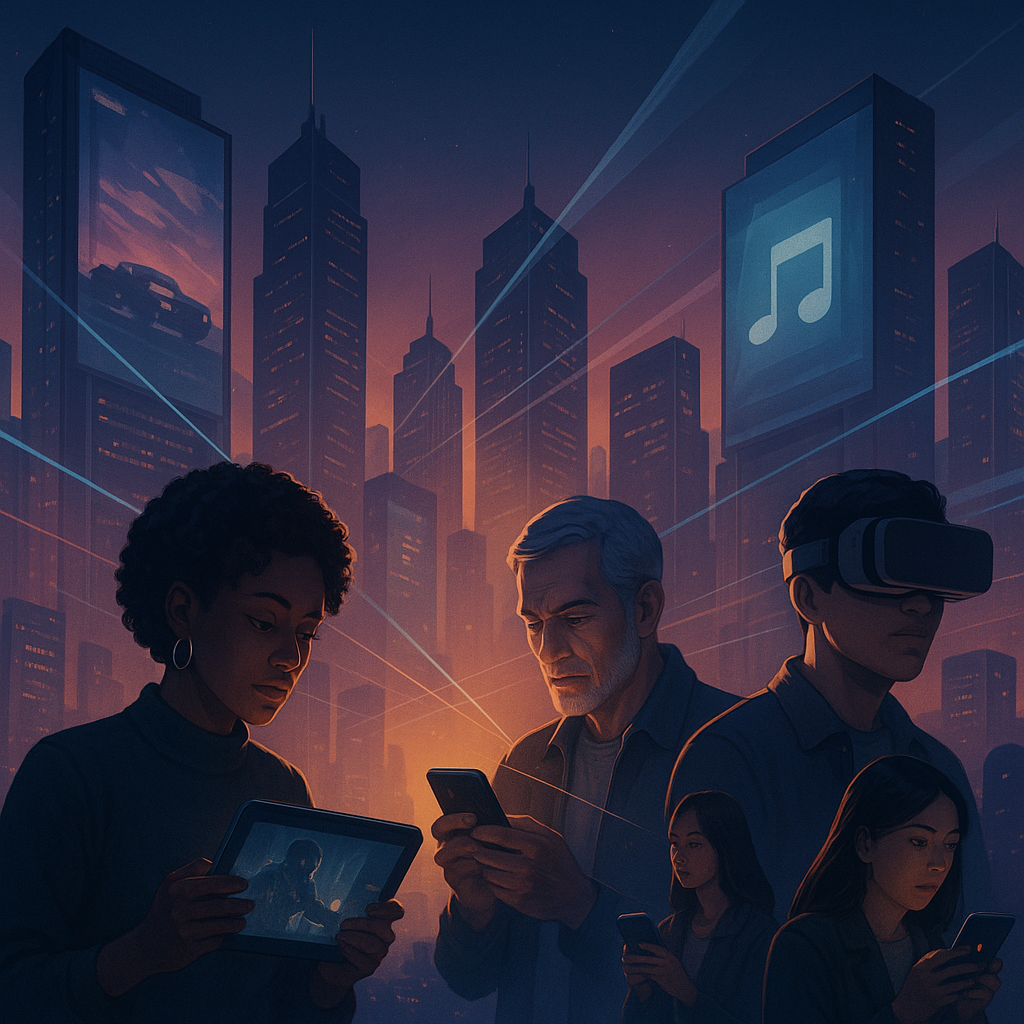
The Streaming Explosion: A Snapshot of a Cultural Paradigm Shift
On a typical evening in 2026, millions of viewers around the globe are engrossed in streaming platforms, from binge-watching the latest original series to tuning into live concerts and exclusive sports events. The global streaming market now exceeds $150 billion in annual revenue, marking a staggering transformation from the early days of on-demand video. This shift has not only altered how content is consumed but also how it is produced, distributed, and monetized. Streaming has evolved from a niche convenience into the dominant form of entertainment delivery, reshaping audience expectations and industry economics alike.
Consider this: according to industry estimates, streaming services now account for more than 70% of all digital video consumption worldwide, dwarfing traditional cable and satellite TV. This surge is driven by technological advancements, increased internet penetration, and changing consumer habits, particularly among Gen Z and Millennials who prioritize convenience and personalized content over scheduled programming. This article explores the underpinnings of this streaming revolution, examines current trends in 2026, and offers insights into what the future holds for entertainment.
“The streaming ecosystem is now the central hub for entertainment innovation, influencing everything from storytelling to global content accessibility.” — Industry analyst, MediaTech Insights
Tracing the Trajectory: How Streaming Reached Its Zenith
The origins of streaming trace back to the early 2000s with rudimentary platforms offering limited on-demand content. However, the real inflection point came in the 2010s with Netflix’s pivot from DVD rentals to streaming and the subsequent entry of tech giants like Amazon Prime Video and Hulu. These pioneers disrupted the traditional broadcast model by leveraging broadband internet, cloud computing, and sophisticated recommendation algorithms.
By the mid-2020s, the market saw an influx of niche and regional streaming services, catering to diverse linguistic and cultural audiences. The rapid adoption of 5G networks and edge computing further enhanced streaming quality and reduced latency, enabling high-definition, interactive, and even virtual reality (VR) streaming experiences. This technological groundwork was crucial in sustaining exponential growth and user engagement.
However, the transition was not without challenges. The fragmentation of the market led to consumer fatigue as users juggled multiple subscriptions. Piracy and content licensing complexities posed additional hurdles. Despite these obstacles, continuous innovation and strategic partnerships have enabled streaming to flourish globally.
“Streaming’s rise is a story of relentless innovation meeting evolving consumer demand, overcoming hurdles through adaptability and tech advancements.” — Professor Elena Moreno, Digital Media Studies
Streaming in Numbers: Market Dynamics and Consumer Behavior
As of 2026, the streaming industry is characterized by intense competition and rapid innovation. The top five global streaming platforms collectively boast over 1.5 billion subscribers, with Netflix, Disney+, and Amazon Prime Video leading the pack. Market data reveals key trends shaping the landscape:
- Subscription Video on Demand (SVOD): Continues to dominate with around 65% market share globally, driven by original content investment exceeding $70 billion annually.
- Advertising Video on Demand (AVOD): Gaining traction, especially in emerging markets, fueled by advanced ad-targeting technologies and free access models.
- Live Streaming: Sports and events streaming have grown by 25% year-over-year, supported by deals with major leagues and enhanced interactive features.
- Content Localization: Over 60% of streaming hours in non-English markets are for locally produced or dubbed content, emphasizing regional relevance.
- Device Usage: Mobile devices account for nearly 55% of streaming traffic, highlighting the importance of mobile-optimized experiences.
Consumer behavior studies highlight a shift toward personalized content discovery, with AI-driven recommendation engines playing a pivotal role. Viewers increasingly expect seamless cross-device continuity and social features integrated into platforms. Furthermore, subscription bundling with telecom and gaming services is becoming a common growth strategy.
This intricate ecosystem balances user satisfaction, content diversity, and monetization. Industry reports suggest that platforms investing in data analytics and original IP creation sustain higher subscriber retention rates.
What’s New in 2026: Innovations and Market Shifts
The year 2026 marks significant milestones in streaming innovation. Hybrid models combining SVOD and AVOD have become mainstream, offering flexible user experiences. Notably, AI-generated content and interactive storytelling have moved from experimental stages to regular programming, allowing audiences to influence narratives in real-time.
Technological breakthroughs such as 8K streaming and immersive spatial audio have enhanced audiovisual quality, pushing the envelope of home entertainment. The rise of metaverse platforms has also integrated streaming with virtual social environments, enabling communal viewing and interactive fan engagement.
From a business perspective, consolidation continues across the sector. Recent mergers between major content studios and streaming platforms have streamlined content pipelines, optimizing production costs and global distribution. Simultaneously, regulatory scrutiny on data privacy and content moderation has intensified, prompting platforms to adopt transparent policies and ethical AI practices.
Moreover, environmental sustainability has emerged as a priority. Several platforms have committed to net-zero carbon emissions in their data centers and streaming infrastructure, responding to consumer demand for greener entertainment options.
These developments are shifting the balance of power, challenging legacy media companies and creating new opportunities for creators and consumers alike.
Voices from the Field: Industry Experts Reflect on Streaming’s Impact
Leading voices in entertainment and technology emphasize streaming’s transformative influence on content creation and distribution. Sarah Lin, Chief Content Officer at a top streaming service, notes, “Streaming has democratized storytelling, enabling diverse voices to reach global audiences without traditional gatekeepers.”
Meanwhile, technology strategist Dr. Marcus O’Connell highlights the role of data: “The integration of AI and machine learning into streaming platforms has revolutionized how content is curated and personalized, making user experience the cornerstone of platform loyalty.”
Creators also feel the impact. Independent filmmakers and smaller studios now find viable pathways to market through platforms supporting micro-budgets and niche genres. This has led to a renaissance in creative experimentation and genre blending.
- Content producers increasingly collaborate with data scientists to tailor projects to audience preferences.
- Platforms invest heavily in talent development programs, nurturing next-generation creators.
- Global partnerships facilitate cross-cultural productions, expanding content diversity.
“Streaming is not just a distribution channel; it’s a creative ecosystem reshaping the entire entertainment value chain.” — Sarah Lin, Content Executive
Looking Ahead: The Future of Streaming and Its Broader Implications
As streaming cements its role as the entertainment cornerstone, several trends warrant close attention. The convergence of streaming with emerging technologies like augmented reality (AR), virtual reality (VR), and blockchain promises new forms of immersive and secure content experiences.
Another critical area is the evolving relationship between streaming platforms and traditional media. Hybrid release strategies and partnerships are likely to continue, challenging the conventional windowing system and redefining theatrical and broadcast paradigms.
Consumer empowerment through greater control over data and content choices will drive platform innovation and regulatory frameworks. Ethical considerations around AI-generated content and misinformation will also come to the forefront.
Finally, as streaming expands globally, addressing accessibility and inclusivity will be paramount to sustaining growth and cultural relevance.
For those looking to optimize their streaming experience, resources like Stream Smarter: Pro Tips to Elevate Your Streaming Experience offer practical guidance, while insights into how AI and global audiences are reshaping production can be found in How Streaming, AI, and Global Audiences Are Reshaping Movie Magic.
“The next decade will be defined by how streaming platforms balance innovation, responsibility, and audience trust.” — Dr. Marcus O’Connell
- Integration of AI and immersive tech to deepen engagement.
- Global content diversification and localization.
- Expansion of hybrid monetization models.
- Enhanced regulatory compliance and ethical standards.
- Focus on sustainability in streaming operations.
Streaming’s journey from a convenience to a cultural cornerstone underscores a broader narrative of technological disruption and consumer empowerment. As it continues to evolve, understanding these dynamics is essential for stakeholders across the entertainment ecosystem.