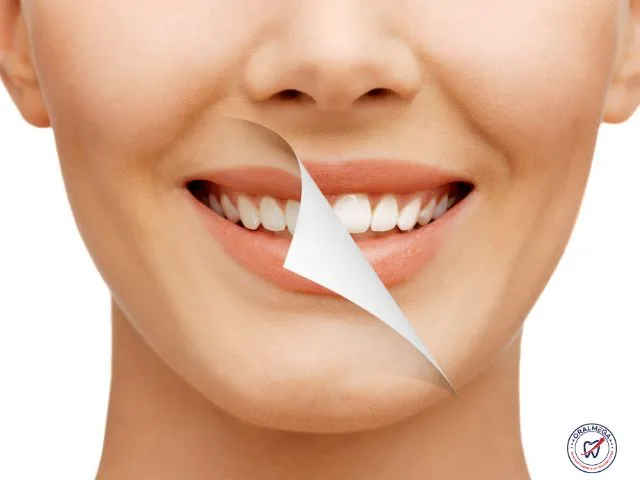
The global teeth whitening market was valued at approximately $8.93 billion in 2025. The project number for 2026 is $9.37 billion. And the market is expected to reach $14.31 billion by 2034.
For businesses, this creates a unique opportunity to enter a market with strong consumer demand, repeat purchase potential, and attractive profit margins.
Seven Steps to Start Your Teeth Whitening Business Successfully
For entrepreneurs, dentists, med spas, salons, and wellness businesses, starting a teeth whitening business requires a strategic approach. It includes understanding the market, minimizing risk, and following a structured plan to maximize profitability and long-term growth.
Step 1: Understand Regulatory Requirements
Manufacturers and brands must ensure products meet applicable safety and manufacturing requirements. For example, the US FDA classifies different teeth whitening products into several categories. Whether your products are categorized as medical devices, drugs, or cosmetics will change the regulatory requirements.
Labelling Requirements: Product labels should accurately disclose ingredients, usage instructions, warnings, and business information.
Accurate Marketing Claims: Your packaging should clearly communicate what's inside the product, how to use it safely, and any relevant warnings or precautions.
While you can promote the cosmetic benefits of your products, avoid making medical claims that cannot be supported. For example, saying a product helps whiten teeth is very different from claiming it can treat or cure a dental condition.
Regulations vary according to the Region
If you intend to sell internationally, take time to research the regulations in your target markets. Different countries may have their own rules regarding peroxide concentrations, ingredient approvals, product registration, and labeling requirements. For example, the European Union has some of the strictest rules in the industry. Low-concentration products containing less than 0.1% hydrogen peroxide can be sold directly to consumers. And, stronger formulations are subject to professional-use restrictions. Products containing more than 6% hydrogen peroxide are not allowed for cosmetic teeth whitening, making regulatory research an essential part of your expansion strategy.
Regulations can also vary at the state level within the United States. For example, in New York, teeth whitening treatments are generally considered dental procedures, meaning only a licensed dental professional can perform them. Salons and spas may sell or provide over-the-counter whitening products for self-application, but they cannot offer prescription-strength whitening agents.
Choosing An Experienced Whitening Manufacturer is the Key
The good news is that you don't have to navigate all of this alone. An experienced teeth whitening manufacturer can often guide you through compliance requirements, help you select suitable formulations, and ensure your products are produced to meet industry standards. Choosing the right manufacturing partner from the beginning can make the entire launch process much smoother.
Step 2: Calculate Your Investment
One of the first questions entrepreneurs ask is: "How much money do I need to get started?" The answer depends largely on the type of business you want to build. An online private-label brand will typically require less upfront investment than opening a physical whitening studio or developing your own formulations from scratch.
Beyond inventory, you'll need to budget for essentials such as branding and packaging, website development, product photography, marketing, business registration, insurance, and shipping or fulfillment costs. While it may be tempting to focus only on product costs, many new business owners underestimate the investment required to build a professional brand and attract customers.
Low Threshold Entry into the World of Teeth Whitening
The good news is that private-label teeth whitening products allow entrepreneurs to enter the market without investing heavily in product development, manufacturing equipment, or large production runs. This makes it possible to launch a brand with a more manageable budget while still offering high-quality products to consumers.
Step 3: Identify Your Target Market
Understanding who you're selling to will help you create stronger branding, choose the right products, and market more effectively.
For example, young professionals may be looking for confidence before interviews and client meetings, while brides and grooms often want a whiter smile before their wedding day.
Frequent travelers may prefer whitening pens and other portable solutions, whereas eco-conscious consumers may be more interested in sustainable oral care products like toothpaste tablets and bamboo toothbrushes.
Some brands successfully cater to beauty enthusiasts who follow the latest trends, while others focus on people with sensitive teeth who need gentler whitening options.
A Clear Definition of Your Target Audience
The more clearly you define your audience, the easier it becomes to create products, messaging, and marketing campaigns that resonate with potential customers. Instead of competing with every teeth whitening brand on the market, you can position yourself as the best solution for a specific group of buyers.
Step 4: Decide on Your Business Model
The teeth whitening industry offers several entry points, and the right model will depend on your budget, experience, target audience, and long-term goals.
E-Commerce Brand: If you're looking for a low-overhead option, an e-commerce brand can be a great starting point. You can sell products directly through your website, online marketplaces, and social media channels without the costs associated with a physical location.
Dental Practice: Professionals often incorporate teeth whitening into their existing services and also provide take-home whitening kits to patients.
Med Spa or Salon: Depending on state regulations, med spas and salons can expand their service offerings by adding whitening treatments and complementary oral care products.
Mobile Teeth Whitening Service: Entrepreneurs, who enjoy face-to-face customer interactions, can provide services at clients' homes, events, trade shows, or corporate functions.
Wholesale Distribution: You can focus on supplying teeth whitening products to dental clinics, spas, salons, retailers, and other businesses rather than selling directly to consumers.
There is no One-Size-Fits-All Model
There is no single "best" business model. Some brands even combine multiple approaches as they grow. The key is choosing a model that aligns with your resources and allows you to serve your target market effectively.
Step 5: Register Your Business
Before you start selling, register your business with the state and local government. You will need to form a business entity in the form of a sole proprietorship, business corporation, LLC, or limited partnership.
The exact procedure will vary depending on your location and business model, but taking care of these essentials early can save you time, money, and headaches later.
This will include:
Business registration: Registering your business entity with the Department of State.
Tax registration: Applying for a Federal Tax ID and State Sales Tax Certificate.
Business licenses and permits: Obtaining the licenses and permits required to conduct your business legally.
Insurance: Securing the necessary insurance coverage, including any mandatory policies and additional protection for your business operations.
Trademark applications and brand protection: Registering your brand name, logo, and other intellectual property assets to help protect your business from infringement
For example, if you're starting a teeth whitening business in New York, you may choose to form an LLC or corporation through the state, obtain a federal Employer Identification Number (EIN), register for applicable state taxes, and ensure that any whitening services offered comply with New York's dental practice regulations. Entrepreneurs selling products online should also verify sales tax requirements and local licensing obligations.
Building a legally protected brand from day one not only helps you stay compliant but also creates a stronger foundation for future growth and expansion.
Step 6: Partner With a Reliable Manufacturer
The manufacturer you choose can have a significant impact on your business. Beyond producing your products, the right manufacturing partner can help you navigate regulations, maintain product quality, manage inventory, and scale as your brand grows.
When evaluating manufacturers, look beyond pricing. Consider factors such as manufacturing standards, product quality, compliance support, customization options, turnaround times, and overall industry experience. A reputable supplier should be able to provide documentation, answer regulatory questions, and support your long-term business goals.
Work with a manufacturer that offers a wide range of teeth whitening products. This gives you the flexibility to expand your product line as your customer base grows and market trends evolve.
Popular products to consider include:
>> LED teeth whitening kits
>> Teeth whitening gels
>> Teeth whitening strips
>> Whitening pens for quick touch-ups
>> Peroxide-free whitening systems
>> Toothpaste tablets
>> Professional whitening kits
A diverse product portfolio allows you to serve different customer segments, test new product categories, and create additional opportunities for repeat purchases without changing manufacturing partners.
Step 7: Develop a Marketing Strategy
Launching your business is only half the battle. No matter how effective your products are, customers need to know your brand exists. That's why having a marketing strategy from day one is just as important as choosing the right products.
Social Media Marketing:
Start by identifying where your target audience spends their time online and build your marketing efforts around those channels. For example, social media platforms like Instagram, TikTok, and Facebook are ideal for showcasing whitening results, customer testimonials, and educational content about oral care.
Content Marketing:
Many successful brands also invest in content marketing by publishing blogs, videos, and guides that answer common questions about teeth whitening. This helps build trust while improving search engine visibility. Partnering with influencers can further increase brand awareness, especially when their audience aligns with your target market.
Focus on repeat purchases
As your business grows, consider implementing email marketing campaigns to stay connected with customers and encourage repeat purchases. Maintenance products, whitening pen refills, and subscription programs can be excellent ways to generate recurring revenue and increase customer lifetime value.
Why Private Label Teeth Whitening Brands Are a Good Choice for Entrepreneurs?
Many entrepreneurs choose private label packaging because it significantly reduces startup complexity.
No Product Development Costs: Formulations are already developed and tested.
Faster Time-to-Market: Brands can launch within weeks rather than spending months developing products.
Lower MOQs: Many manufacturers offer startup-friendly order quantities.
Custom Branding: Businesses can create unique packaging, branding, and positioning.
Easier Product Testing: Entrepreneurs can test different products without major financial risk.
Better Margins: Private-label products often generate stronger margins than reselling established retail brands.
Ready to turn your business idea into a successful teeth whitening brand? Choose a reputed, ISO-certified teeth whitening manufacturer with proven expertise in private-label teeth whitening kits. The right partner can help you to build a memorable brand in no time.