Dealing with recurring acne can be frustrating, especially when you consistently use cleansers, serums, and acne treatments without seeing meaningful improvements. You may notice that breakouts return in the same areas, existing blemishes take longer to heal, or new products cause irritation instead of improving your skin.
Persistent acne can be influenced by several factors, including excess oil production, clogged pores, hormonal changes, inflammation, and unsuitable skincare products. Understanding these factors is important when deciding how to manage recurring breakouts.
A professional skin assessment for acne can help evaluate visible skin concerns, identify potentially problematic skincare habits, and guide appropriate treatment decisions. Depending on the severity of your acne, professional evaluation may also help determine when dermatological care is necessary. Understanding why acne persists and when to seek professional Skincare Consultation can help you make more informed decisions about your skin health.
Why Does Acne Persist Even When You Follow a Skincare Routine?
Acne develops when hair follicles become clogged with oil and dead skin cells. Bacteria and inflammatory responses can contribute to the formation of pimples, pustules, and deeper acne lesions.
Several factors may explain why your existing skincare routine is producing limited results.
1. Your Skincare Products May Not Match Your Skin Type
Products designed for one skin type may not be suitable for another. Heavy formulations can contribute to clogged pores in acne-prone individuals, while harsh cleansers may cause unnecessary dryness and irritation.
A skin assessment for acne-prone skin can help evaluate your skin's characteristics and determine whether your products are appropriate.
2. Hormonal Changes May Contribute to Breakouts
Hormonal fluctuations can influence oil production and acne development.
These changes may occur during puberty, menstrual cycles, pregnancy, or certain medical conditions. Adult acne may also persist beyond adolescence.
When breakouts appear alongside irregular menstrual cycles, excessive facial hair growth, or other hormonal symptoms, medical evaluation may be appropriate.
3. You May Be Using Too Many Active Ingredients
Ingredients such as salicylic acid, benzoyl peroxide, and retinoids can help manage acne when used correctly.
However, combining several active ingredients too frequently may cause peeling, redness, irritation, and dryness.
An irritated skin barrier can make skincare products uncomfortable and complicate ongoing acne management.
4. Your Routine May Need More Time
Acne treatments generally require consistent use before noticeable improvements develop.
Many topical acne treatments need approximately six to eight weeks before meaningful changes become apparent, while fuller improvement may take several months.
Frequently changing products can make it difficult to determine whether a particular treatment is effective.
What Is a Professional Skin Assessment for Acne?
A professional skin assessment for acne is an evaluation of your skin's visible characteristics, breakout patterns, current skincare practices, and treatment goals.
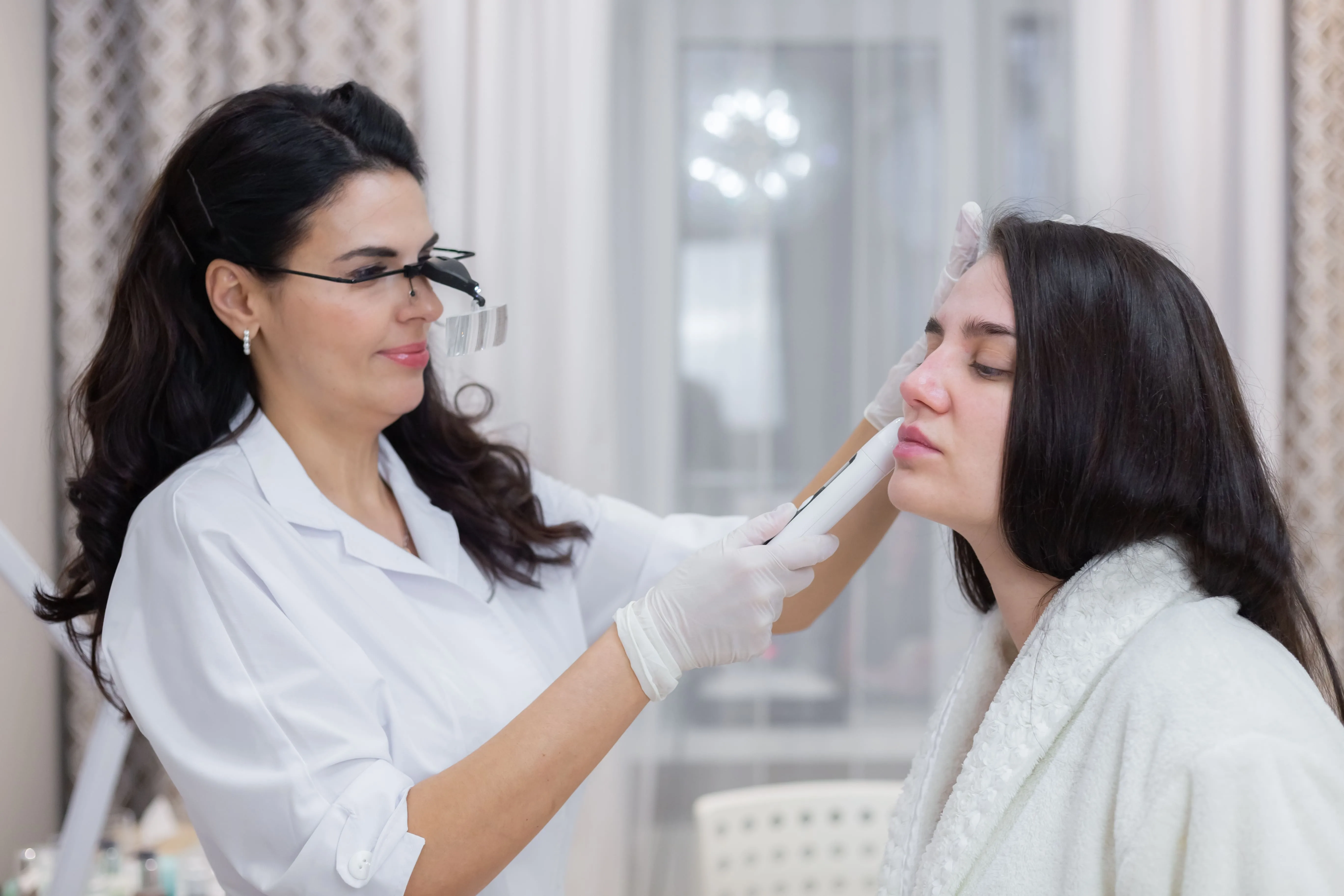
During the assessment, a qualified skincare professional may examine areas affected by acne, discuss previous treatments, and review ingredients used in your daily routine.
The evaluation may focus on:
- Skin type and oil production
- Blackheads, whiteheads, and inflammatory breakouts
- Areas where acne frequently develops
- Skin sensitivity and irritation
- Post-acne pigmentation and visible scarring
- Current cleansers, moisturizers, and active ingredients
- Lifestyle factors that may influence skin health
A Personalized skincare consultation helps identify cosmetic skincare needs and determine whether professional aesthetic treatments may be appropriate.
Medical diagnosis and prescription acne treatment should be provided by appropriately licensed healthcare professionals.
When Should You Seek a Professional Skin Assessment for Acne?
A professional skin assessment for acne may be helpful when recurring breakouts continue despite consistent skincare or when you are uncertain which products are suitable.
Certain signs indicate that professional evaluation could be beneficial.
Acne Continues Despite Consistent Product Use
If you have followed an appropriate over-the-counter skincare routine for several weeks without improvement, it may be time to reassess your approach.
A skincare professional can review product selection and application habits. A dermatologist can evaluate whether prescription treatment is necessary.
Your Breakouts Frequently Return
Recurring acne around the chin, jawline, forehead, or cheeks may be influenced by different contributing factors.
Although breakout location alone cannot identify the cause, discussing your acne history and associated symptoms can help guide further evaluation.
You Experience Redness and Irritation
Persistent stinging, peeling, or redness may indicate that your skincare routine is too irritating.
Professional guidance can help you identify potentially unsuitable ingredients and establish a gentler approach.
You Notice Dark Spots or Acne Scars
Inflammatory acne can leave post-inflammatory discoloration or permanent textural scars.
Early medical treatment of active acne is particularly important when scarring develops.
You Develop Painful or Deep Acne Lesions
Deep nodules, cyst-like lesions, rapidly worsening acne, or breakouts causing significant scarring warrant prompt dermatological assessment.
Understanding when to seek professional help for acne can reduce delays in receiving appropriate medical treatment.
What Happens During a Personalized Acne Skincare Consultation?
A personalized acne skincare consultation provides an opportunity to discuss your concerns and receive guidance about suitable skincare practices.
The process generally involves several steps.
Step 1: Discussing Your Acne History
Your provider may ask when your breakouts began, how frequently they occur, and whether certain products or circumstances appear to worsen them.
You may also discuss previous treatments, allergies, medications, and skin sensitivities.
Step 2: Evaluating Your Skin
A professional acne skin analysis may examine visible blemishes, oiliness, skin texture, pigmentation, and signs of irritation.
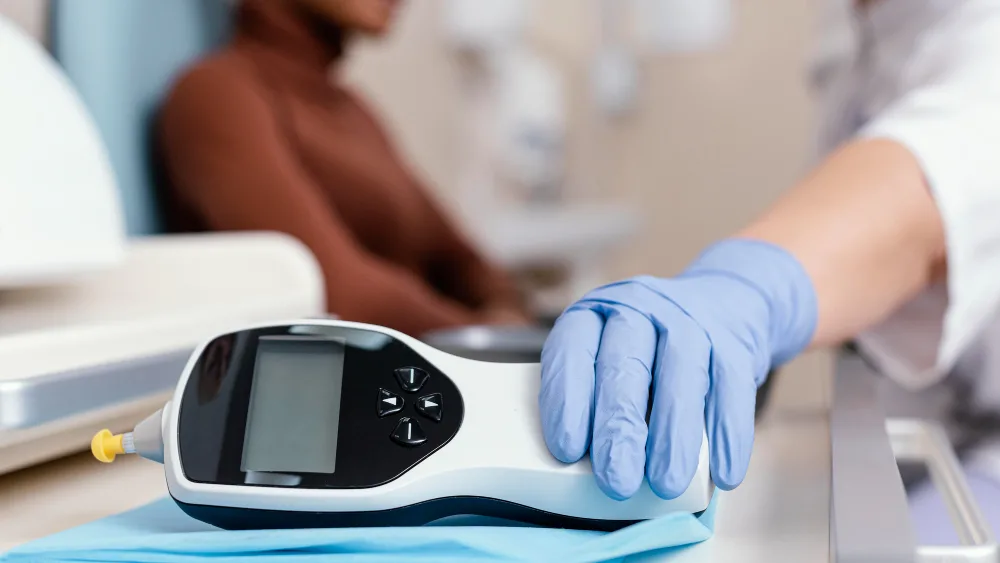
Some medical spas use specialized lighting or imaging technology to support cosmetic skin evaluations.
These tools can provide additional information about visible skin characteristics, but they cannot independently determine every cause of acne.
Step 3: Reviewing Your Current Products
The skincare professional may examine the ingredients in your cleansers, serums, moisturizers, and sunscreens.
This review can identify unnecessary product combinations, potentially irritating ingredients, or gaps in your routine.
Step 4: Discussing Treatment Recommendations
Based on the evaluation, the provider may recommend appropriate skincare adjustments or discuss aesthetic procedures.
A professional skin assessment for acne should help you understand which concerns may benefit from cosmetic care and which require medical treatment.
What Treatment Options Are Available for Persistent Acne?
The most suitable approach depends on acne severity, skin sensitivity, previous treatment responses, and individual medical considerations.
Several persistent acne treatment options may be discussed during an evaluation.
Over-the-Counter Acne Products
Common acne ingredients include:
- Salicylic acid: Helps exfoliate inside pores and may improve blackheads and whiteheads.
- Benzoyl peroxide: Reduces acne-associated bacteria and helps manage inflammatory blemishes.
- Adapalene: An over-the-counter topical retinoid that helps prevent clogged pores.
- Azelaic acid: May help with acne and certain post-inflammatory dark marks.
Not every ingredient is suitable for everyone. Retinoids require particular caution during pregnancy or when planning pregnancy.
Prescription Acne Treatments
Moderate, severe, or persistent acne may require prescription medications.
Dermatologists may recommend topical retinoids, combination therapies, hormonal treatments for appropriate patients, or oral medications depending on acne severity and medical history.
Professional Cosmetic Treatments
Certain aesthetic procedures may complement appropriate acne management.
At RxWellness Aesthetics & Anti-Aging, available skin services include chemical peels, HydraFacials, and microneedling.
Chemical peels may improve selected superficial acne-related concerns. HydraFacials may help with cosmetic cleansing and congestion, although they are not established substitutes for medical acne treatment.
Microneedling may be considered for certain acne scars after active inflammatory acne is adequately controlled.
Treatment suitability should always be assessed individually.
How Can a Customized Skincare Plan Help Manage Acne?
A professional skin assessment for acne can help establish practical skincare habits and clarify when additional treatment may be needed.
A customized skincare treatment for acne may focus on consistent cleansing, suitable moisturizing, carefully selected active ingredients, and daily sun protection.
Choose Gentle Cleansing Products
Use a mild facial cleanser that removes excess oil and impurities without causing excessive dryness.
Washing the face twice daily and after significant sweating is generally sufficient.
Maintain Skin Hydration
Acne-prone skin still requires moisture.
Lightweight, noncomedogenic moisturizers can help maintain skin comfort, particularly when using acne treatments that cause dryness.
Protect Your Skin From Sun Exposure
Broad-spectrum sunscreen with SPF 30 or higher helps protect against UV damage and can reduce the worsening of certain post-acne dark spots.
Avoid Picking or Squeezing Pimples
Picking acne lesions can increase inflammation, prolong healing, and contribute to scarring.
Following professional skincare recommendations for acne can support a consistent routine while allowing you to monitor treatment responses.
Why Consider a Medical Spa Consultation for Acne in Northern Virginia?
A medical spa consultation for acne may benefit individuals seeking guidance about cosmetic skincare routines, post-acne concerns, and appropriate aesthetic procedures.
RxWellness Aesthetics & Anti-Aging offers personalized skincare consultations at its Northern Virginia locations in Aldie, Ashburn, and Herndon/Reston.
The consultation process includes reviewing individual skin concerns, assessing visible skin characteristics, and discussing suitable skincare products and available aesthetic treatments.
For patients with persistent acne, a professional skin assessment for acne can help clarify cosmetic care options and identify situations where dermatological evaluation should be prioritized.
Patients can also ask about treatment suitability, potential side effects, recovery considerations, and realistic expectations before choosing a procedure.
Conclusion
Persistent acne can be influenced by hormonal changes, clogged pores, inflammation, and skincare practices that do not match your skin's needs. Recognizing these factors can help you make informed decisions about your routine and determine when additional care may be appropriate.
A professional skin assessment for acne can provide individualized skincare guidance, while dermatological evaluation remains important for painful, scarring, or treatment-resistant acne.
Ready to better understand your acne-prone skin? Schedule a personalized skincare consultation at RxWellness Aesthetics & Anti-Aging.
FAQ
1. Why does my acne keep returning despite using skincare products?
Recurring acne may result from hormonal fluctuations, excess oil, clogged pores, inflammation, or products that are not suitable for your skin. Persistent breakouts may require changes to your routine or medical treatment.
2. How do I know if my acne needs professional treatment?
Seek medical evaluation if acne is painful, deep, causing scars, worsening, or continuing despite consistent over-the-counter treatment. A dermatologist can assess severity and recommend appropriate medical care.
3. Can a professional skin assessment help identify acne triggers?
A skincare assessment can help identify potentially irritating products, unsuitable skincare habits, and patterns associated with breakouts. Medical evaluation may be required to investigate hormonal or other underlying causes.
4. Is a skincare consultation suitable for adults with hormonal acne?
Yes. A consultation can provide cosmetic skincare guidance for adults experiencing breakouts. Suspected hormonal acne may also require assessment by a dermatologist or another qualified healthcare professional.
5. Can a HydraFacial help with acne-prone skin?
A HydraFacial may help improve the appearance of congestion and provide cosmetic cleansing. However, it is not a replacement for established acne medications, particularly for inflammatory or severe acne.
6. Can chemical peels improve acne scars and dark spots?
Certain chemical peels may improve superficial pigmentation and selected textural concerns. Deeper acne scars often require different procedures, and outcomes depend on scar type and skin characteristics.
7. How long does it take for an acne skincare routine to work?
Many acne treatments require six to eight weeks before noticeable improvement, with more substantial results often taking several months. Treatment response varies depending on acne severity and the products or medications used.