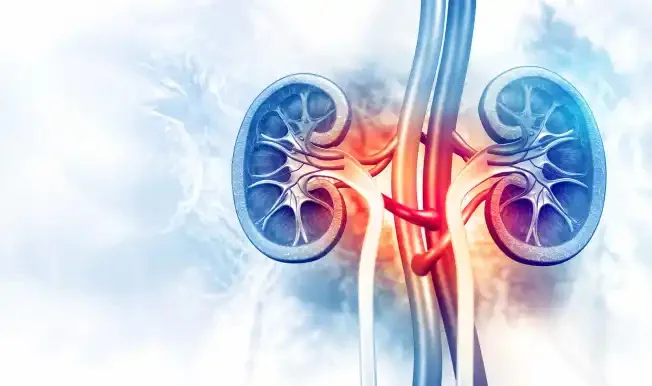
Kidneys play a vital role in maintaining the body's overall health. They filter waste products from the blood, regulate fluid balance, maintain electrolyte levels and support blood pressure regulation. However, when kidney function declines significantly, it can lead to chronic kidney disease (CKD) and eventually end-stage renal disease (ESRD). In such situations, kidney transplantation may be considered as a treatment option for eligible patients.With advancements in transplant surgery, immunosuppressive medications and critical care, kidney transplantation has become an established treatment for selected patients with kidney failure. Individuals looking for Kidney Transplant in Chennai can explore specialised transplant evaluation, donor compatibility assessment, surgical care and long-term follow-up at GEM Hospital, Aminjikarai.Understanding the transplant process, eligibility requirements and post-operative care can help patients and their families make informed decisions about renal health.
What Is a Kidney Transplant?
A kidney transplant is a surgical procedure in which a healthy kidney from a suitable living or deceased donor is placed into a recipient whose kidneys are no longer functioning adequately.The transplanted kidney takes over important functions such as filtering blood, removing metabolic waste, regulating fluid levels and maintaining electrolyte balance.Unlike dialysis, which performs some kidney functions through an external process, a functioning transplanted kidney can provide continuous filtration. However, transplantation is a major medical procedure that requires careful evaluation, lifelong medical supervision and regular monitoring.For patients considering Kidney Transplant in Chennai, understanding the benefits, eligibility criteria and possible complications is an important part of the decision-making process.
When Is a Kidney Transplant Recommended?
Kidney transplantation may be considered for individuals with advanced or end-stage kidney disease when renal function is severely reduced and the condition cannot be adequately managed through other treatments.
Common conditions that may lead to kidney failure include:
- Diabetic nephropathy: Long-standing diabetes can damage the small blood vessels within the kidneys.
- Hypertensive nephropathy: Persistent high blood pressure may progressively affect kidney tissue.
- Chronic glomerulonephritis: Inflammation affecting the kidney's filtering units can cause progressive renal damage.
- Polycystic kidney disease: An inherited condition characterised by multiple fluid-filled cysts in the kidneys.
- Chronic obstructive uropathy: Long-term obstruction of urine flow can damage kidney function.
- Recurrent kidney infections: Certain severe or repeated infections may contribute to permanent renal damage.
Not every patient with chronic kidney disease requires a transplant. Specialists evaluate kidney function, overall health, treatment history and individual suitability before recommending transplantation.
Who Is Eligible for Kidney Transplantation?
Kidney transplant eligibility is determined through a detailed medical and surgical assessment. The objective is to understand whether the patient can safely undergo surgery and manage the long-term requirements of a transplanted kidney.
Important evaluation factors include:
Kidney function: Blood investigations such as serum creatinine and estimated glomerular filtration rate (eGFR) help assess the severity of kidney disease.
General health: Cardiovascular health, respiratory function and other medical conditions are evaluated before surgery.
Blood group compatibility: ABO blood group compatibility is assessed as part of donor-recipient evaluation. Selected incompatible transplants may be possible under specialised protocols.
Tissue matching: Human leukocyte antigen (HLA) testing helps assess immunological compatibility between the donor and recipient.
Crossmatch testing: This test checks whether the recipient has antibodies that react against the donor's cells. A positive crossmatch may indicate an increased risk of antibody-mediated rejection.
Infection screening: Patients and donors undergo appropriate screening to identify infections that may affect transplant safety.
Individuals searching for a Kidney Transplant Hospital in Chennai should understand that eligibility depends on a complete clinical assessment rather than a single blood test.
What Are the Different Types of Kidney Transplants?
Kidney transplantation is broadly classified according to the source of the donated organ.
1. Living Donor Kidney Transplant
In a living donor transplant, a suitable kidney is donated by a medically eligible living individual.The donor undergoes a comprehensive health evaluation to confirm that donation can be performed safely. Blood group compatibility, HLA testing and crossmatching are important parts of the assessment.Living donor transplantation may allow the transplant procedure to be planned in advance, subject to donor suitability and applicable legal requirements.
2. Deceased Donor Kidney Transplant
A deceased donor transplant involves receiving a kidney from a person who has been declared deceased according to applicable medical and legal criteria.Organ allocation is coordinated through authorised transplant networks and follows established eligibility, registration and allocation procedures.The waiting period may vary depending on organ availability, compatibility and allocation policies.Both approaches require careful donor assessment and recipient preparation.
What Happens During Kidney Transplant Surgery?
Kidney transplantation involves several stages, beginning with pre-operative evaluation and continuing through surgery and post-operative monitoring.
1. Pre-Transplant Evaluation
Before surgery, specialists review the patient's medical history, laboratory investigations, imaging studies and donor compatibility reports.Cardiac assessment, infection screening and evaluation of other medical conditions may also be required.This stage helps the transplant team identify potential risks and prepare an appropriate surgical plan.
2. Surgical Procedure
During a kidney transplant, the donor kidney is generally placed in the lower abdomen, usually in the iliac fossa.The renal artery and renal vein of the transplanted kidney are connected to suitable blood vessels of the recipient. The ureter is then connected to the urinary bladder to allow urine drainage.The patient's original kidneys are usually left in place unless there is a specific medical reason to remove them.
3. Immediate Post-Operative Monitoring
After surgery, the patient is closely monitored for kidney function, urine output, blood pressure, fluid balance and possible complications.A dedicated post-transplant intensive care unit (ICU) or specialised critical care setting may be required according to the patient's condition.For patients seeking Kidney Transplant Surgery in Chennai, post-operative monitoring is an important consideration when evaluating comprehensive transplant services.
Why Is Post-Transplant ICU Care Important?
The initial period following kidney transplantation requires close medical supervision. Although many patients recover without major complications, some may require additional monitoring or treatment.
Post-transplant ICU care helps the medical team monitor:
- Urine output and graft function.
- Blood pressure and cardiovascular stability.
- Electrolyte levels and fluid balance.
- Signs of infection.
- Surgical bleeding or other complications.
- Early indicators of graft dysfunction.
- Response to immunosuppressive medications.
At GEM Hospital, Aminjikarai, patients can enquire about the available transplant-related critical care facilities and post-operative monitoring arrangements.
Understanding Immunosuppressive Medication After Transplantation
After kidney transplantation, the recipient's immune system may recognise the donated organ as foreign and attempt to attack it. This process is known as organ rejection.To reduce this risk, transplant recipients generally require immunosuppressive medications.
Common medication categories include:
Calcineurin inhibitors: Tacrolimus and cyclosporine help reduce immune system activity.
Antimetabolites: Mycophenolate mofetil is commonly used as part of immunosuppressive treatment.
Corticosteroids: Prednisolone may be prescribed to control immune responses.
Induction therapy: Selected patients may receive additional immunosuppressive medication around the time of transplantation.
The medication combination and dosage are individualised. Patients should not stop, reduce or change prescribed medicines without consulting their transplant specialist.Regular blood investigations are necessary to monitor medication levels, kidney function and possible adverse effects.
What Are the Possible Complications of Kidney Transplantation?
Kidney transplantation can provide important treatment benefits for eligible patients, but it also involves potential risks.
Possible complications include:
- Acute or chronic rejection.
- Surgical bleeding.
- Blood vessel complications.
- Urinary leakage or obstruction.
- Post-operative infections.
- Delayed graft function.
- Medication-related side effects.
- Increased risk of certain infections due to immunosuppression.
Early identification and appropriate medical management are important for addressing these complications.Patients should promptly inform their transplant team about fever, reduced urine output, swelling, persistent pain or other unusual symptoms.
Recovery and Lifestyle Management After Kidney Transplantation
Recovery varies depending on the patient's general health, surgical outcome and kidney graft function.
After discharge, patients require regular consultations and laboratory investigations to assess the transplanted kidney.
Long-term care generally includes:
- Taking immunosuppressive medications as prescribed.
- Attending scheduled transplant follow-up appointments.
- Monitoring blood pressure and blood glucose.
- Following an individualised nutrition plan.
- Maintaining appropriate hydration as advised.
- Avoiding unprescribed medications and potentially harmful drugs.
- Following recommended infection-prevention measures.
- Maintaining suitable physical activity after medical clearance.
A balanced diet, appropriate exercise and control of existing medical conditions can support long-term health.
Patients should also understand that a transplanted kidney requires lifelong monitoring, even when kidney function is stable.
Why Choose GEM Hospital for Kidney Transplant Care in Chennai?
Kidney transplantation requires coordinated medical, surgical, laboratory and critical care support. Patients and their families should understand the complete treatment pathway before choosing a transplant centre.
GEM Hospital, Aminjikarai, Chennai, provides a setting where patients can seek information about specialised renal care and transplant-related services.
Important aspects to discuss during consultation include:
- Transplant surgeon experience and qualifications.
- Donor and recipient compatibility evaluation.
- Pre-transplant medical investigations.
- Surgical and anaesthesia support.
- Post-transplant ICU and critical care arrangements.
- Availability of immunosuppressive medication monitoring.
- Long-term follow-up and graft function assessment.
For individuals searching for Kidney Transplant in Chennai, consulting an experienced transplant team can help clarify medical eligibility, donor requirements, surgical preparation and post-transplant responsibilities.
Frequently Asked Questions About Kidney Transplantation
1. Who needs a kidney transplant?
Individuals with end-stage kidney disease may be evaluated for kidney transplantation. Suitability depends on overall health, donor availability and transplant assessment results.
2. Is kidney transplantation better than dialysis?
For many eligible patients with kidney failure, transplantation may offer better long-term outcomes and quality of life compared with remaining on dialysis. However, suitability and individual outcomes vary.
3. How long does kidney transplant surgery take?
The duration depends on surgical complexity, patient anatomy and other clinical factors. The transplant team can provide an individual estimate after evaluation.
4. Can a kidney transplant come from a living donor?
Yes. A medically suitable living donor may donate one kidney after completing the required medical, compatibility and legal evaluations.
5. Are immunosuppressive medicines required after transplantation?
Yes. Most kidney transplant recipients require long-term immunosuppressive medication to reduce the risk of organ rejection.
6. How often should patients attend follow-up appointments?
Follow-up is more frequent during the initial recovery period. Appointment frequency may be adjusted according to kidney function, medication levels and overall health.
7. Where can I consult for kidney transplantation in Chennai?
Patients can approach GEM Hospital, Aminjikarai, Chennai, to enquire about transplant evaluation, specialist consultation and available kidney transplant services.
Conclusion
Kidney transplantation is an established treatment option for selected individuals with end-stage kidney disease. Successful long-term management involves careful donor selection, compatibility testing, surgical expertise, immunosuppressive medication and continuous medical supervision.
For patients exploring Kidney Transplant in Chennai, GEM Hospital, Aminjikarai, offers an option to seek specialist consultation and understand the available transplant care pathways.Early evaluation, informed decision-making and consistent post-transplant follow-up are essential parts of comprehensive kidney care.