
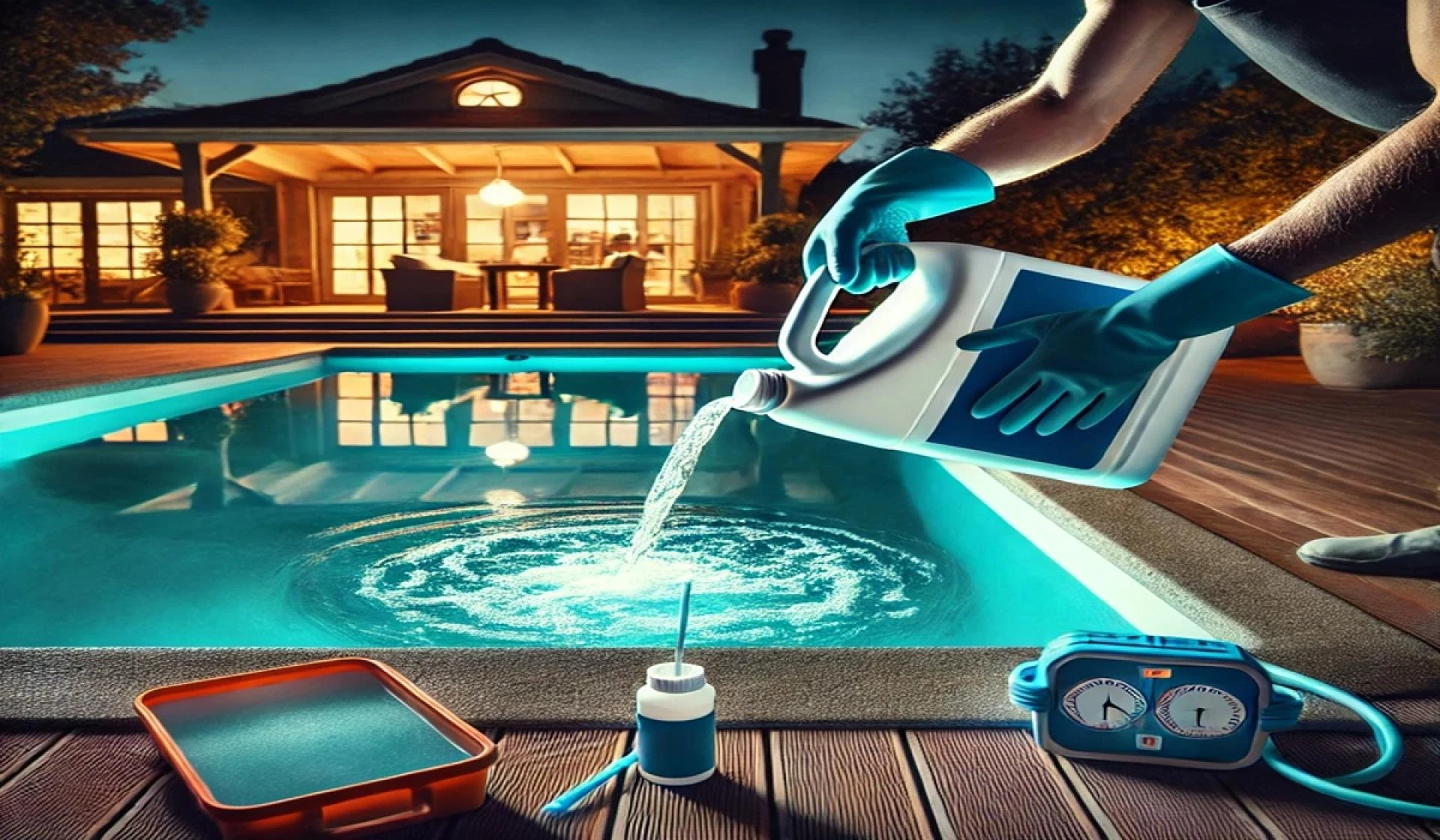
Keeping your pool water crystal clear and free from harmful bacteria is essential for safe swimming. One of the best ways to maintain water quality is through pool shock. Using liquid chlorine for pool treatment is a highly effective method to kill bacteria, break down contaminants, and restore water clarity. Regular shocking helps prevent algae growth and keeps your pool in top condition.
What is Pool Shocking?
Pool shocking refers to adding a high dose of chlorine or other sanitising agents to the water to eliminate bacteria, algae, and organic waste. Over time, sunscreen, sweat, leaves, and other debris can cause chlorine levels to drop, reducing its ability to disinfect properly. Shocking your pool helps restore the chemical balance and keeps the water safe for swimming.
When Should You Shock Your Pool?
Shocking should be done at key times to maintain cleanliness:
- After heavy pool use – More swimmers mean more contaminants.
- Following rainstorms – Rain can introduce dirt and lower chlorine levels.
- If water appears cloudy or green, it indicates bacteria or algae growth.
- At the start and end of the swimming season – Keep the water clean after long periods of non-use.
- After detecting a strong chlorine smell – Contrary to belief, chlorine reacts with contaminants and needs replenishment.
Steps to Shock Your Pool
1. Test Your Water
Before adding chemicals, use a pool test kit to check pH and chlorine levels. The ideal pH range is between 7.2 and 7.6. Adjust pH if needed before shocking.
2. Choose the Right Shock Treatment
There are different types of pool shock treatments, including:
- Calcium Hypochlorite – A strong, fast-acting option but requires pre-dissolving.
- Dichlor Shock – A stabilised chlorine that dissolves quickly.
- Non-Chlorine Shock – Good for oxidising contaminants without affecting chlorine levels.
3. Prepare the Shock Solution
If using a granular shock, dissolve it in a bucket of water before adding it to the pool to prevent surface staining. Liquid solutions can be poured directly into the water.
4. Add Shock in the Evening
Sunlight can reduce the effectiveness of chlorine, so it's best to shock your pool at night. Pour the solution evenly around the pool for thorough distribution.
5. Run the Pool Pump
Allow the filtration system to run for at least 8 hours to circulate the shock treatment properly. This helps spread the chemicals evenly and removes dead bacteria and algae.
6. Retest Before Swimming
Wait at least 24 hours after shocking before swimming. Recheck chlorine levels to ensure they have returned to a safe range (1-3 ppm).
Tips for Effective Pool Shocking
- Always wear gloves and safety goggles when handling chemicals.
- Never mix different types of chlorine products.
- Shock your pool weekly during peak swimming season.
- Store pool chemicals in a cool, dry place away from sunlight.
Conclusion
Shocking your pool is an essential part of pool maintenance. Following the proper steps and choosing the best shock treatment, you can keep your pool water clean, clear, and safe for swimming. Regular shocking prevents bacteria buildup, improves water quality, and extends the life of your pool equipment. Make it a routine, and you'll enjoy a healthier swimming experience all season!