Selling a car in Australia does not always require a dealership or an auction yard. Many car owners choose a private sale to stay in control of the process and the outcome. This approach suits people who want to manage timing, communication, and paperwork on their own terms. A private sale also works well for cars of many types, from daily drivers to older vehicles that still run. This guide explains each stage in clear language so that the process stays clear and lawful from start to finish.
Decide Whether a Private Sale Fits Your Situation
A private sale suits owners who can spend time on preparation and communication. You handle enquiries, inspections, and paperwork. You also decide the final price and when the car leaves your driveway. This method often works well when the car has a clear history, current registration, and no finance owing. If the car has damage or age-related issues, a private sale still works, but the audience may be smaller. Thinking about your schedule and comfort with buyer contact helps you choose the right path.
Set a Realistic Asking Price
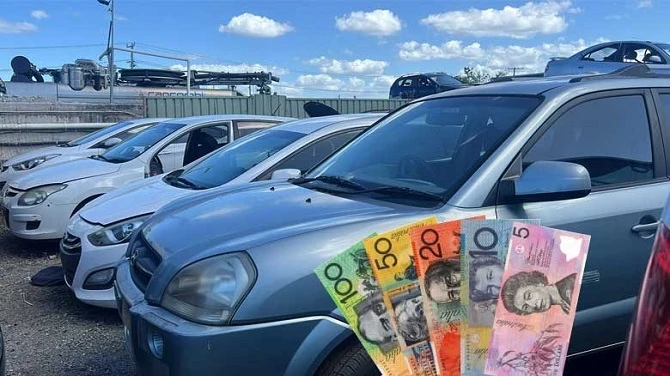
Pricing sets the tone for the entire sale. Start by reviewing recent listings for similar cars in Australia. Look at the same model, year, engine type, and kilometres. Local demand matters, as city and regional markets differ. Cars with full service records and current rego often attract more interest. Overpricing leads to long delays, while underpricing can raise doubts. A fair market figure draws serious buyers and reduces time spent on low offers.
Prepare the Car Before Advertising
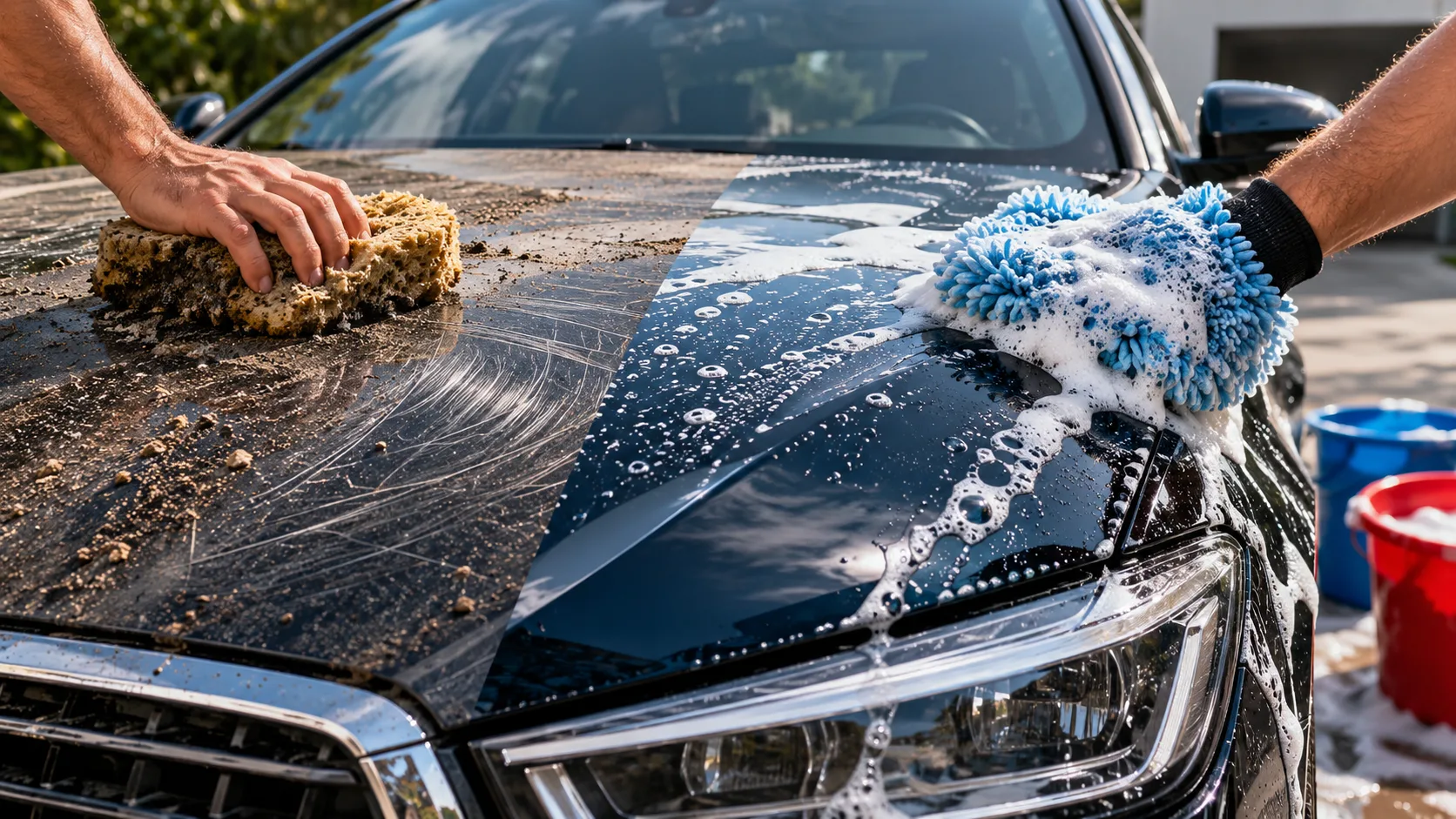
Presentation shapes first impressions. Wash the exterior, clean the interior, and remove personal items. Fix small issues such as blown bulbs or worn wiper blades. Keep receipts for recent work, as buyers often ask about maintenance. A tidy car shows care and honesty. This stage also includes gathering documents such as the service book, rego papers, and manuals. Having these ready builds confidence during inspections.
Check out this guide for more information on off-road vehicles: https://www.bestcashforcarz.com.au/mens-guide-to-off-road-vehicles/
Take Clear and Honest Photos
Photos drive online interest. Take pictures in daylight and choose a neutral background. Show the front, rear, sides, interior, engine bay, and tyres. Add close-ups of any wear or marks. Honest images save time by setting clear expectations. Buyers who arrive already aware of the car condition often move forward with fewer concerns.
Write a Clear Advertisement
An effective listing uses plain language. State the make, model, year, kilometres, engine type, and transmission. Mention rego status and service history. Avoid exaggeration. Facts matter more than sales talk. Include contact details and preferred inspection times. Clear ads attract serious enquiries and reduce repeated questions.
Manage Enquiries and Inspections
Respond to messages with courtesy and clarity. Set inspections during daylight hours and meet in a safe place. Many sellers choose their home during busy hours or a public area. Allow buyers to inspect the car fully. Answer questions truthfully. If a test drive occurs, check the driver licence and remain in the car. Trust grows when both sides follow clear steps.
Understand Payment Methods
Payment security matters. In Australia, bank transfer is common for private car sales. Confirm funds in your account before handing over keys. Cash carries risks and may require a bank visit to verify notes. Avoid cheques and deferred payments. Clear payment terms prevent disputes and delays.
Handle the Paperwork Correctly
Each state and territory has its own transfer rules. Most require a notice of disposal from the seller and a transfer application from the buyer. Lodge forms within the required time frame to avoid fines. Cancel any remaining insurance once the transfer completes. Keep copies of all documents for records. Completing paperwork on time protects both parties.
Check Legal and Safety Details
Before advertising, ensure there is no finance owing on the car. A PPSR check confirms this. Buyers often request proof. Also confirm the vehicle identification number matches records. These checks prevent future disputes and help the sale move forward without issues.
When a Private Sale Does Not Suit the Car
Some cars attract limited interest through private listings. Vehicles with major mechanical faults, accident damage, or very high kilometres can sit unsold for long periods. In such cases, owners often seek another route that matches the car condition and their time limits.
At this point, some sellers look toward buyers for unwanted cars Melbourne as a practical option, especially when the vehicle no longer suits daily use or requires costly repairs. Services offered by Best Cash For Cars Melbourne often align with situations where a private sale brings repeated delays. This path connects with the wider topic of selling without dealerships or auctions, as it still avoids those channels while offering a direct outcome for cars that struggle to attract private buyers.
Stay Alert to Common Scams
Private sellers should remain cautious. Avoid buyers who rush the process or ask for unusual payment steps. Be careful with overpayment schemes and requests to ship the car before funds clear. Trust actions rather than words. Clear rules and patience protect your time and property.
Final Steps After the Sale
Once payment clears and paperwork is lodged, hand over keys and documents. Remove toll tags and personal plates if required. Notify your insurer of the sale. These final tasks close the process and prevent future charges linked to the vehicle.
Closing Thoughts
Selling a car without a dealership or auction in Australia gives owners direct control. With careful pricing, clear ads, honest communication, and correct paperwork, a private sale can run smoothly from start to finish. Understanding each step reduces uncertainty and helps you choose the path that suits your car and circumstances.