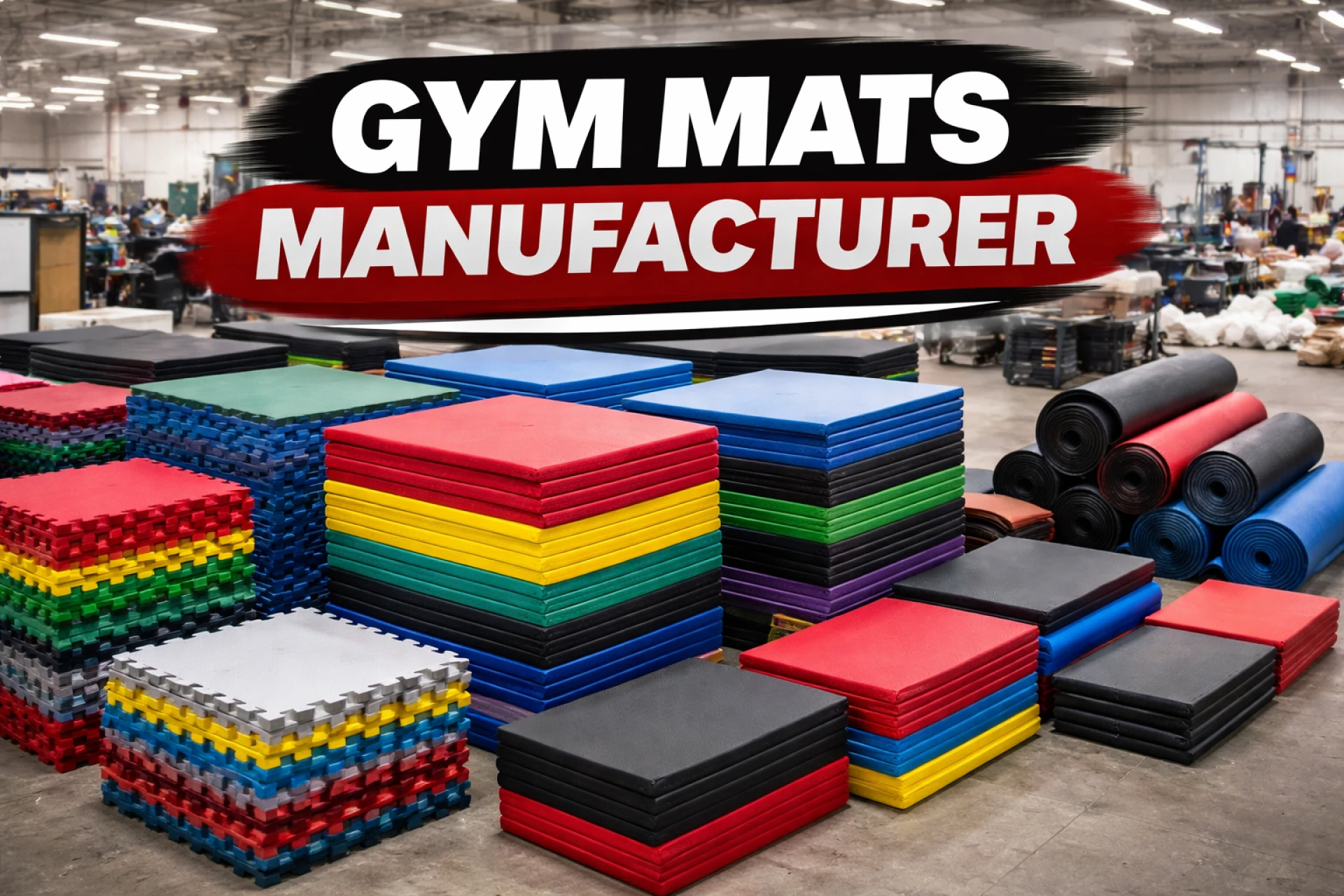
Selecting the right gym flooring is not just a design decision — it directly affects safety, equipment protection, and long-term maintenance costs. Whether you operate a commercial gym, a fitness studio, or a home workout setup, investing in durable Gym Mats Manufacturer in Ahmedabad is essential for performance and injury prevention.
Many gym owners focus on machines and ignore flooring quality. Poor-quality mats flatten under pressure, become slippery over time, and fail to absorb shock properly. This leads to cracked subfloors, increased noise, and higher replacement costs. Understanding how to choose the right rubber gym mats can save money and improve user experience in the long run.
Why Durable Gym Mats Matter More Than You Think
Gym flooring absorbs constant pressure from weights, equipment, and foot traffic. Without heavy-duty protection, concrete or tile floors can develop cracks. More importantly, improper flooring increases injury risk.
High-quality gym mats provide:
- Shock absorption for weightlifting areas
- Anti-slip protection for safety
- Noise reduction in commercial spaces
- Floor protection against heavy equipment
- Long-term durability under continuous use
In India’s growing fitness industry, professional gyms increasingly prefer heavy-duty rubber gym mats designed for commercial environments.
Step 1: Choose High-Density Rubber Material
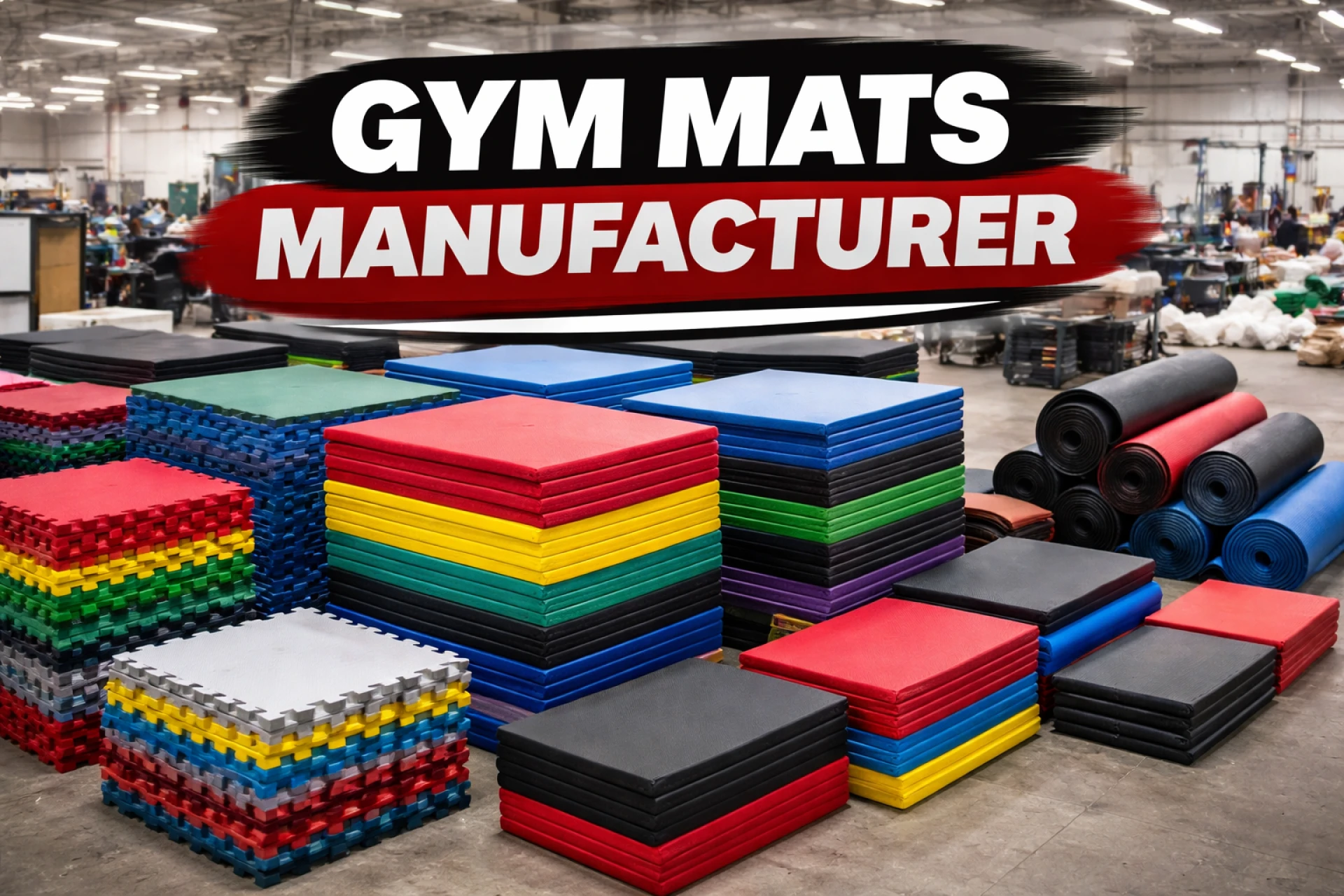
Material quality determines durability. Rubber gym mats outperform foam mats in strength, compression resistance, and longevity.
Why rubber is better:
- Handles dropped weights without damage
- Maintains shape under heavy equipment
- Offers better grip and traction
- Lasts significantly longer
If you manage a high-traffic fitness facility, choose Laminate Rubber Tile Exporter in Ludhiana specifically built for continuous impact.
Step 2: Check Shock Absorption Capacity
In strength zones, barbells and dumbbells are dropped repeatedly. Without proper shock-absorbing gym mats, floors weaken and noise levels increase.
Look for mats that:
- Reduce vibration
- Protect the subfloor structure
- Absorb high impact
- Improve joint comfort during workouts
Shock-absorbing rubber gym mats are especially important in weight training areas.
Step 3: Ensure Anti-Slip Safety
Safety should never be compromised. Sweat accumulation increases slipping hazards. Installing anti-slip gym flooring mats improves stability during workouts.
Textured rubber surfaces provide better grip compared to smooth mats. This is essential in cardio zones, HIIT training areas, and free-weight sections.
Step 4: Select the Right Thickness
Thickness depends on usage intensity.
Recommended Guidelines:
- Home gyms: 8–10 mm rubber mats
- Commercial gyms: 15–25 mm heavy-duty mats
- Weightlifting zones: Extra thick impact-resistant mats
- High-traffic areas: Dense rubber flooring tiles
Choosing proper thickness ensures long-lasting gym flooring and minimizes replacement frequency.
Step 5: Evaluate Long-Term Value Instead of Price
Cheaper mats may reduce initial costs but fail quickly under heavy usage. Replacing low-quality mats repeatedly costs more over time.
Investing in premium rubber gym mats ensures:
- Lower maintenance costs
- Reduced floor repair expenses
- Better hygiene control
- Professional gym appearance
Facility owners seeking the SBR Rubber Mats Supplier in Pune prioritize quality and performance over short-term savings.
Step 6: Consider Maintenance and Hygiene
Gym floors must resist sweat, moisture, and cleaning chemicals. Durable rubber mats are non-porous and easy to maintain.
They:
- Prevent odor buildup
- Resist moisture absorption
- Maintain hygiene standards
- Support daily cleaning routines
Low-maintenance flooring is critical for commercial fitness centers.
Step 7: Match Flooring to Gym Type
Different gym formats require different flooring solutions:
Gym Type
Recommended Flooring
Commercial Gym
Heavy-duty rubber gym mats
Home Gym
Standard rubber mats
Functional Studio
Interlocking rubber tiles
Weightlifting Area
Thick impact-resistant mats
Choosing flooring based on usage improves both safety and durability.
Common Mistakes Buyers Make
- Choosing thin mats for heavy lifting zones
- Buying foam mats for commercial gyms
- Ignoring the anti-slip surface quality
- Selecting the cheapest option without a durability check
Avoiding these mistakes ensures better long-term performance.
FAQs
What thickness is ideal for commercial gyms?
For heavy equipment areas, 15–25 mm rubber mats are recommended.
Are rubber gym mats better than foam mats?
Yes. Rubber gym mats provide better shock absorption, durability, and longevity.
How long do durable gym mats last?
High-quality rubber mats can last several years depending on usage intensity.
Final Thoughts
Selecting Shree Ram Rubber Flooring is a strategic investment in safety, performance, and long-term savings. From commercial fitness centres to home workout spaces, high-density rubber gym mats deliver reliable protection, shock absorption, and durability.
With proper material selection, correct thickness, and anti-slip protection, gym owners in India can build professional fitness environments designed for maximum comfort and safety.