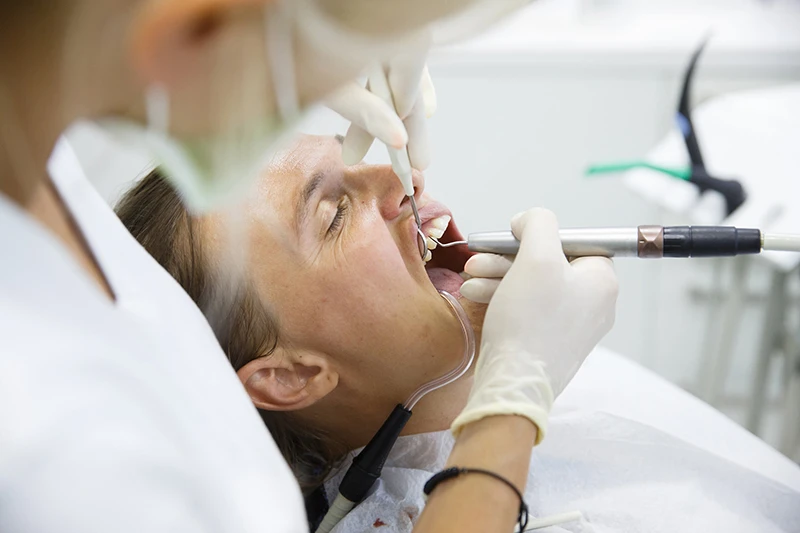
Periodontal disease, or gum disease, is a widespread oral health condition that is dangerous yet affects millions of individuals worldwide. Left untreated, it may cause loss of teeth, and it may also predispose someone to other health-related problems like heart disease and diabetes. It is necessary to find the most effective gum disease treatment at the right time to protect your oral and overall health.
Understanding Gum Disease
Gum Disease Treatment Lorton VA is an infection of the tissues that support your teeth. It usually begins with plaque buildup—a sticky film of bacteria that forms on teeth daily. When plaque is not removed through proper brushing and flossing, it hardens into tartar, which can cause gum inflammation.
There are two main stages of gum disease:
1. Gingivitis
This is the early and mild stage of gum disease. Gums may appear red, swollen and may bleed while brushing or flossing. Gingivitis is reversible with proper treatment and good oral hygiene.
2. Periodontitis
If gingivitis is left untreated, it can progress to periodontitis. At this stage, gums pull away from the teeth, forming pockets that collect bacteria. Over time, this can damage the bone supporting the teeth, leading to loose teeth or tooth loss.
Common Signs and Symptoms of Gum Disease
Recognizing the symptoms early can help you seek timely treatment. Common signs include:
- Bleeding gums during brushing or flossing
- Red, swollen, or tender gums
- Persistent bad breath
- Receding gums or teeth appearing longer
- Pain while chewing
- Loose or shifting teeth
- Pus between teeth and gums
If you notice any of these symptoms, it’s important to consult a dental professional as soon as possible.
Why Early Treatment Matters
Ignoring gum disease can lead to serious consequences. Advanced periodontal disease not only affects your smile but can also impact your overall health. Studies have linked gum disease to conditions such as heart disease, stroke, respiratory issues, and complications in diabetes. Early treatment is often simpler, less expensive, and more effective.
Types of Gum Disease Treatments
Finding the family dentist Woodbridge depends on the severity of your condition. A dentist or periodontist will evaluate your gums and recommend a personalized treatment plan. Common treatment options include:
1. Professional Dental Cleaning
For mild gingivitis, a professional dental cleaning may be sufficient. This removes plaque and tartar buildup from above the gum line and helps reduce inflammation.
2. Scaling and Root Planing
This is a deep-cleaning procedure often recommended for early to moderate periodontitis. Scaling removes plaque and tartar from below the gum line, while root planing smooths the tooth roots to help gums reattach to the teeth.
3. Medications
Dentists may prescribe antibiotic gels, mouth rinses, or oral antibiotics to control bacterial infection and reduce inflammation. These are often used alongside deep cleaning treatments.
4. Laser Gum Therapy
Laser treatment is a modern option that removes infected tissue and bacteria with minimal discomfort. It is less invasive than traditional surgery and offers faster healing times for many patients.
5. Surgical Treatments
For advanced periodontitis, surgical options may be required. These include flap surgery to clean deep pockets, bone grafts to replace lost bone, and soft-tissue grafts to repair receding gums.
How to Choose the Best Gum Disease Treatment
Selecting the right treatment involves more than choosing a procedure. Consider the following factors:
Severity of the Condition
Mild gum disease may only require professional cleaning and improved oral hygiene, while advanced cases need specialized periodontal care.
Dentist or Periodontist Expertise
Look for an experienced dentist or periodontist who specializes in gum health. Check credentials, patient reviews, and treatment success rates.
Technology and Treatment Options
Clinics that offer modern technologies such as laser therapy or advanced diagnostic tools can provide more precise and comfortable treatments.
Personalized Treatment Plan
The best gum disease treatment is tailored to your specific needs, medical history, and lifestyle. Avoid one-size-fits-all solutions.
Cost and Insurance Coverage
Gum disease treatment costs vary based on the severity and type of procedure. Check whether your dental insurance covers periodontal treatments and discuss payment plans if needed.
Importance of Oral Hygiene in Gum Disease Treatment
Even the best professional treatment will not be effective without proper oral care at home. Maintaining good oral hygiene is crucial for both treatment success and prevention.
Key habits include:
- Brushing twice a day with a soft-bristle toothbrush
- Using fluoride toothpaste
- Flossing daily to remove plaque between teeth
- Using an antibacterial mouthwash
- Replace your toothbrush every 3–4 months
Your dentist may also recommend specialized tools such as interdental brushes or water flossers.
Lifestyle Changes That Support Gum Health
Certain lifestyle factors can significantly affect treatment outcomes for gum disease. To support healing and prevent recurrence:
- Quit smoking or using tobacco products
- Maintain a balanced diet rich in vitamins C and D
- Manage stress, which can weaken the immune system
- Control underlying conditions like diabetes
- Stay hydrated to support saliva production
How to Prevent Gum Disease in the Future
Prevention is always better than cure. Regular dental checkups and cleanings—usually every six months—help detect early signs of gum disease. Consistent oral hygiene and healthy lifestyle choices go a long way in keeping your gums healthy.
Final Thoughts
Finding the best cosmetic dentist Woodbridge VA starts with understanding your condition and taking prompt action. Early diagnosis, professional care, and strong daily oral hygiene habits are the keys to successful treatment and long-term gum health. Whether you’re dealing with mild gingivitis or advanced periodontitis, consulting a qualified dental professional will help you choose the most effective and personalized treatment plan.
Healthy gums are the foundation of a healthy smile—and a healthy body. Taking the right steps today can protect your teeth for years to come.
FAQs
What is gum disease?
Gum disease, also known as periodontal disease, is an infection of the gums caused by plaque and bacteria buildup on the teeth. It starts as gingivitis and can progress to periodontitis if left untreated.
What are the early signs of gum disease?
Early signs include red or swollen gums, bleeding while brushing or flossing, bad breath, and gum sensitivity. Early-stage gum disease is often painless, which is why regular dental checkups are important.
Is gum disease curable?
Gingivitis, the early stage of gum disease, is completely reversible with proper treatment and good oral hygiene. Advanced gum disease (periodontitis) cannot be fully cured but can be effectively managed and controlled with professional care.
What is the best treatment for gum disease?
The best treatment depends on the severity of the condition. Mild cases may only need professional cleaning, while moderate to severe cases may require scaling and root planing, medications, laser therapy, or surgical treatment.