Acne can hurt your confidence, and every quick fix online promises overnight results. The truth is that you can reduce acne with a steady routine, healthy habits and a little patience. This guide explains how to reduce acne naturally and safely, what to avoid and when to get professional help.
What Causes Acne?
Acne forms when pores get clogged with oil, dead skin and bacteria. Hormones, stress, humidity, pollution, certain foods and wrong skincare can all trigger breakouts. To reduce acne for good, you need to handle the causes, not only the pimples you see today.
Build a Simple Routine to Reduce Acne
The best way to reduce acne is a basic, consistent routine. Too many products make breakouts worse.
Morning
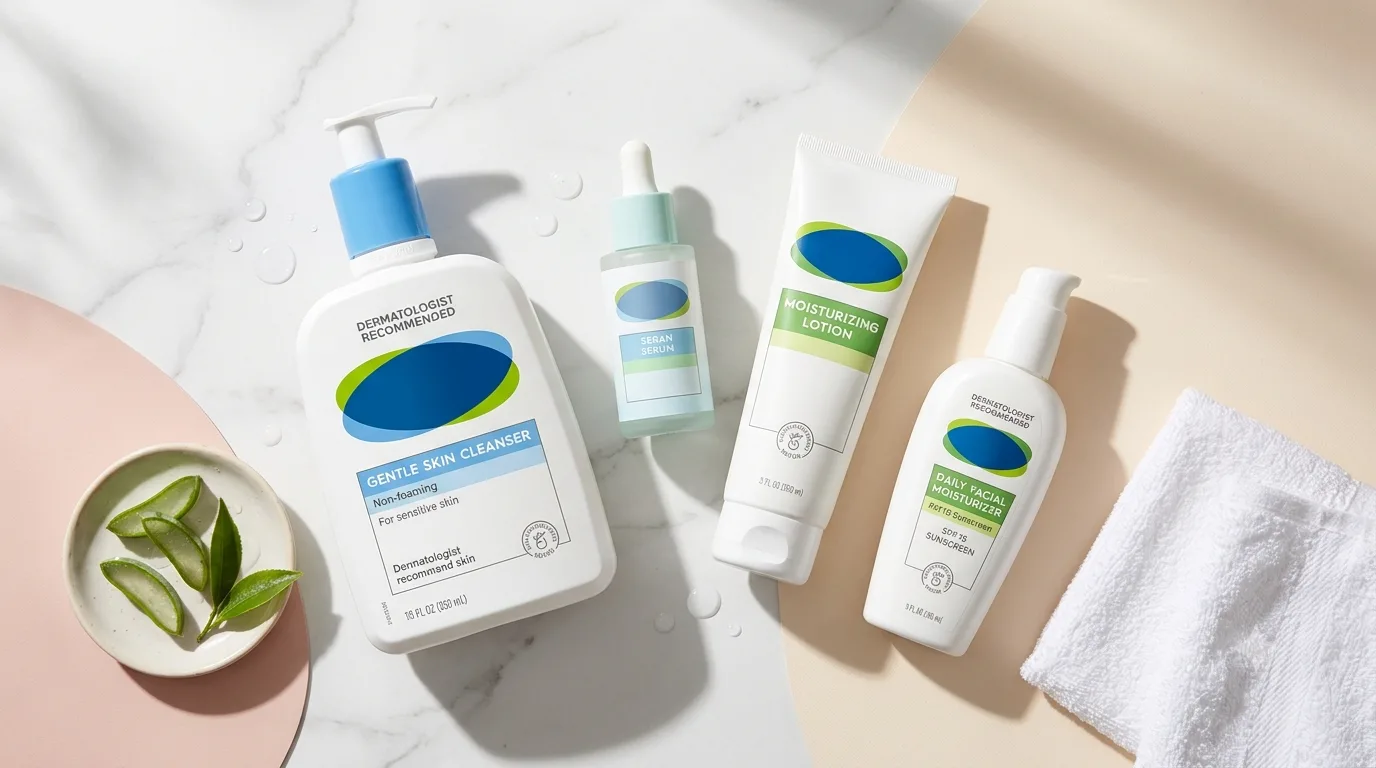
- Cleanse: Use a gentle, gel-based face wash. Washing twice a day is enough to reduce acne without irritating the skin.
- Treat: Apply a niacinamide serum to help calm redness and control oil.
- Moisturize: Pick an oil-free, non-comedogenic moisturizer. Many people skip this step, but dehydrated skin makes more oil.
- Sunscreen: Use SPF 30 or higher. Sun exposure darkens acne marks, so sunscreen helps reduce acne marks too.
Night
- Cleanse: Remove sunscreen and dirt properly.
- Treat: Use salicylic acid or a low-strength adapalene a few nights a week. These ingredients help unclog pores and reduce acne over time.
- Moisturize: Finish with a light gel cream.
Natural Ingredients That Can Help
Some gentle ingredients may help reduce acne, but they work slowly and are not a replacement for a proper routine.
- Green tea: Soothing, and its antioxidants may calm inflamed skin.
- Aloe vera: Cooling and hydrating, and it can calm irritation.
- Tea tree oil (diluted): Studies suggest it may help mild acne. Never apply it undiluted, and always patch test first.
- Honey: Mild antibacterial properties, and gentle as a short mask.
Be careful with kitchen remedies. Lemon juice, toothpaste, baking soda and raw garlic can burn the skin and cause dark marks. They do not reduce acne and often make things worse.
Diet and Lifestyle Habits to Reduce Acne
Skincare works best with healthy habits.
- Drink enough water. Hydration supports healthy skin.
- Eat balanced meals. Include vegetables, fruits, protein and healthy fats. Some people notice more breakouts with sugary foods, sweets and heavily fried snacks, so see how your skin responds.
- Sleep well. Poor sleep raises stress hormones, which can worsen breakouts. Aim for seven to eight hours.
- Manage stress. Walking, yoga, deep breathing or any hobby you enjoy can help reduce acne flare-ups linked to stress.
- Exercise regularly. Wash your face soon after sweating.
Daily Habits That Quietly Cause Breakouts
Small habits make a big difference when you want to reduce acne.
- Touching your face: Hands carry bacteria and oil.
- Dirty pillowcases and towels: Change pillowcases weekly and use a clean towel.
- Phone screen: Wipe it often, since it touches your cheek and jaw.
- Heavy makeup: Choose non-comedogenic products and always remove makeup before bed.
- Hair products: Oils and styling products can clog pores along the hairline and forehead.
Fixing these habits can help reduce acne even before you add any new product.
Never Pop Your Pimples
Popping pushes bacteria deeper, causes inflammation and leaves scars and dark spots. If you want to reduce acne and avoid marks, leave the pimple alone. Instead, you can use a pimple patch on a whitehead, or a small amount of a spot treatment with salicylic acid or benzoyl peroxide. Deep, painful bumps should never be squeezed at all.
How to Reduce Acne Marks
Many people want to reduce acne marks as much as the pimples themselves. Dark spots fade slowly, so be consistent.
- Use sunscreen daily, because sun makes marks darker.
- Add niacinamide or a gentle vitamin C serum to your routine.
- Be patient. Marks can take a few weeks to months to fade.
If you have deep scars, a dermatologist can suggest treatments like peels or microneedling.
Common Mistakes When Trying to Reduce Acne
- Over-washing or scrubbing: It strips the skin and increases oil.
- Using too many actives together: Mixing several strong ingredients causes irritation and more breakouts.
- Changing products every week: Give each product four to six weeks before judging it.
- Skipping moisturizer: Acne-prone skin still needs hydration.
- Skipping sunscreen: It leads to stubborn dark marks.
- Believing in overnight cures: It takes time to reduce acne properly.
When to See a Dermatologist
If you have painful cystic acne, constant breakouts, scarring, or acne that does not improve after two to three months, please see a dermatologist. Hormonal acne, in particular, may need medical treatment. Getting help early is the fastest way to reduce acne and prevent scars.
Quick FAQs
How long does it take to reduce acne? Most people see improvement in six to eight weeks of consistent care, but stubborn acne can take longer.
Can I reduce acne overnight? Not truly. A pimple patch or spot treatment can help one pimple look calmer, but lasting results need a routine.
Does toothpaste reduce acne? No. It can irritate the skin and cause burns or dark marks.
Can I use a face scrub to reduce acne? Avoid harsh scrubs. A gentle chemical exfoliant once or twice a week is safer.
Final Thoughts
To reduce acne, keep things simple: cleanse gently, treat with the right ingredients, moisturize, wear sunscreen and look after your sleep, food and stress. Do not rush, and do not pop or try harsh home remedies. With a steady routine, you can reduce acne and enjoy clearer, healthier skin. Explore more guides on Skinjourneyguide to build a routine that suits your skin.