
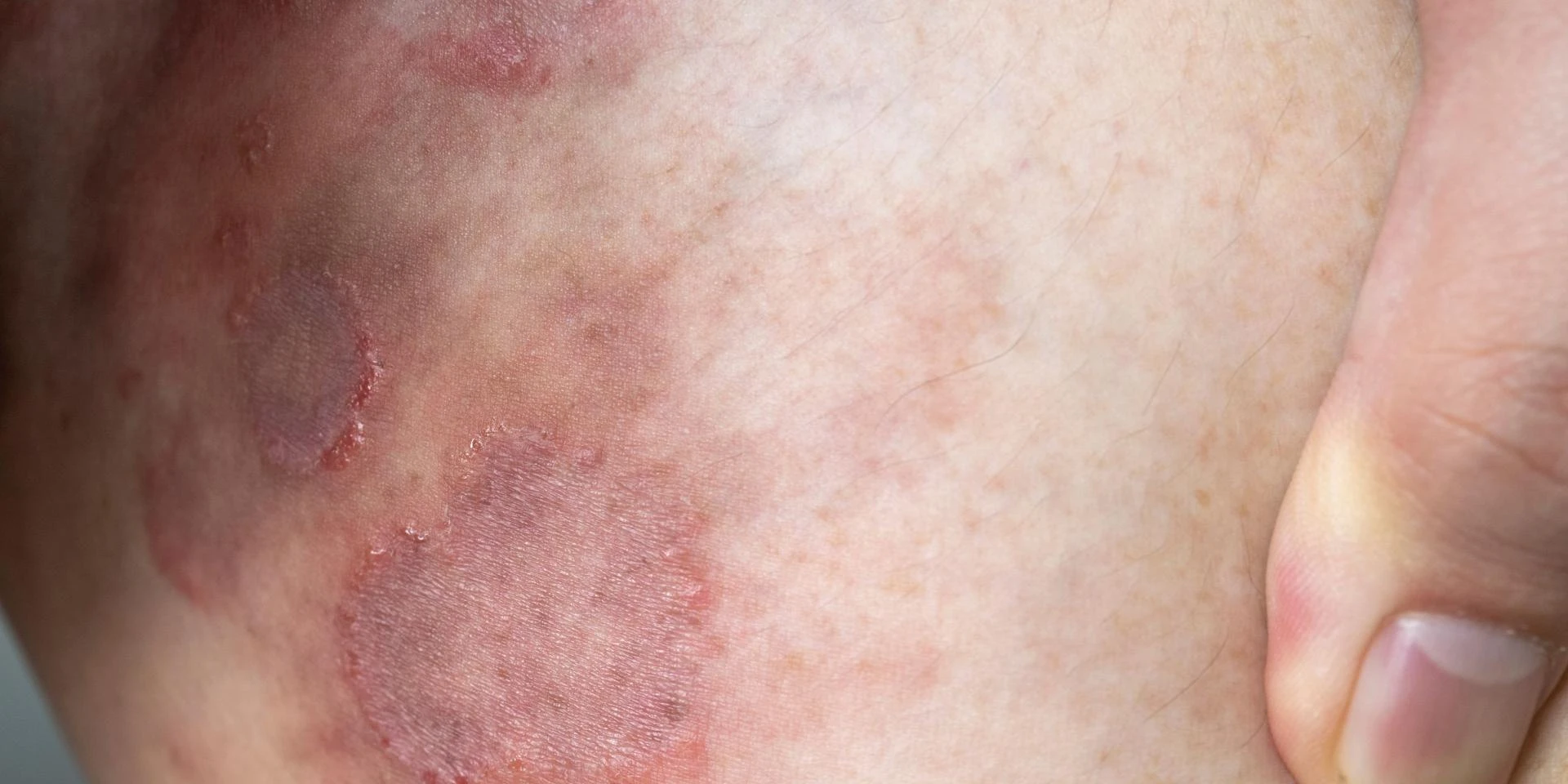
In the warm and humid climate of Thailand, fungal infections are a common concern for families, and one of the most prevalent is a condition often misunderstood by its name. Despite its misleading title, ringworm is not caused by a worm; it is a highly contagious fungal infection of the skin. Characterized by a distinctive red, itchy, and circular rash, it can appear on any part of the body, including the scalp, feet (known as Athlete's Foot), and groin. While the infection can be uncomfortable and frustrating to treat, the good news is that it is largely preventable with proper knowledge and consistent hygiene practices.
For parents, seeing a strange rash on their child can be a cause for concern, and it's important to understand how this infection spreads in communal settings like schools, nurseries, and sports clubs. By implementing simple, effective strategies at home and encouraging good habits in public spaces, you can significantly reduce the risk of your family contracting or transmitting this common ailment.
Understanding the Enemy: What is Ringworm?
Ringworm is caused by a group of fungi called dermatophytes, which feed on keratin, a protein found in the skin, hair, and nails. The fungi thrive in warm, moist environments, making them particularly well-suited to the tropical conditions of Thailand.
How It Spreads
The infection is highly contagious and can be transmitted in several ways:
- Person-to-Person: This is the most common form of transmission. It spreads through direct skin-to-skin contact with an infected person. In schools, this can happen through hugging, shared sports equipment, or even rough-and-tumble play.
- Object-to-Person: The fungus can survive for a long time on surfaces and objects. This is a primary source of transmission in communal areas. Sharing towels, combs, clothing, bedding, or even sitting on a contaminated mat or floor can lead to infection.
- Animal-to-Person: Pets like cats and dogs can be carriers of the fungus, and they may show no symptoms. Coming into contact with an infected animal can easily transfer the fungus to a person.
Prevention Strategies at Home
Your home is the first line of defense against ringworm. By maintaining a clean and dry environment and teaching good personal hygiene, you can greatly reduce the risk of infection.
1. Personal Hygiene is Paramount
Consistency in personal hygiene is the most important factor in preventing ringworm.
- Daily Bathing and Drying: Encourage everyone, especially children, to bathe daily. After a bath or shower, ensure the skin is thoroughly dried, paying special attention to areas with skin folds, like between the toes and under the arms. In Thailand's humid climate, moisture is an open invitation for fungus.
- Don't Share Personal Items: Teach children and family members not to share personal belongings. This includes towels, combs, hairbrushes, clothing, sheets, and pillows. Each person should have their own items, and they should be used exclusively.
- Change Clothes Regularly: Change out of damp or sweaty clothes as soon as possible, as the moisture can create a perfect breeding ground for the fungus.
2. Keeping the Home Clean
Even with good personal hygiene, the environment can harbor the fungus.
- Disinfect Surfaces: Regularly clean and disinfect high-contact surfaces, such as countertops, doorknobs, and floors. A diluted bleach solution or a commercial disinfectant can be effective.
- Wash Bedding and Clothing: Wash bedding, towels, and clothing in hot water with a detergent to kill any potential fungal spores.
- Pay Attention to Common Areas: Regularly clean and sanitize mats, especially if they are used for exercise or play, as these can easily become contaminated.
3. Pet Precautions
If you have pets, they should be checked for signs of fungal infection, such as circular patches of hair loss. If an infection is suspected, take the animal to a veterinarian for treatment to prevent it from spreading to humans.
Prevention Strategies in School and Public Spaces
Communal areas, such as schools, gyms, and sports clubs, are hotbeds for fungal infections due to close contact and shared spaces. Teaching children how to be cautious in these environments is crucial.
1. Classroom and Locker Room Hygiene
- Use Footwear: Encourage children and family members to wear flip-flops or sandals in communal showers, locker rooms, and changing rooms. Going barefoot in these areas is a major risk factor for Athlete's Foot, a form of ringworm.
- Clean Sports Equipment: If your child uses shared sports equipment like mats or headgear, ensure they are cleaned or disinfected before and after use.
- Discourage Sharing: Remind your child not to share personal items with their friends, no matter how close they are. This includes sports gear, towels, and clothing.
2. The Importance of Clothing and Gear
- Wear Breathable Clothing: In a tropical climate, wearing loose, breathable clothing made from cotton or moisture-wicking materials can help keep the skin dry and prevent the growth of fungus.
- Change Immediately After Sports: After sports or any activity that causes sweating, change out of the sweaty clothes and shower as soon as possible. Do not sit around in damp clothing.
Recognizing Symptoms and Seeking Care
Even with the best prevention efforts, infections can still occur. Recognizing the signs early is essential to prevent the infection from spreading to others and to begin treatment promptly.
Identifying the Rash
The classic sign of ringworm is a red, raised, circular or oval rash with a scaly appearance. The edges of the rash are often more inflamed, and the center may look clear. The rash can be intensely itchy and may be accompanied by small blisters or sores. On the scalp, ringworm can cause patches of hair loss.
When to See a Doctor
While many cases of ringworm can be treated with over-the-counter antifungal creams available at most local pharmacies in Thailand, it's important to know when to seek professional medical advice. You should consult a doctor if:
- The rash does not improve after a week of using an antifungal cream.
- The rash is on the scalp or nails, as these infections often require oral medication.
- The rash is widespread or appears to be getting worse.
- You or your child has a weakened immune system, as the infection could be more severe.
Conclusion
Ringworm is a common fungal infection, but it doesn’t have to be a major problem for you or your family. In a country like Thailand, where the climate is conducive to fungal growth, vigilance and good hygiene are your most powerful tools. By understanding what ringworm is, how it spreads, and by consistently practicing simple prevention strategies—from not sharing personal items to keeping the skin clean and dry—you can significantly reduce the risk of infection. By teaching these habits to your children, you are empowering them to protect their own health and contribute to a healthier community.
FAQs
1. Can you get ringworm from swimming pools?
While the chlorine in a well-maintained swimming pool kills fungi, you can still get infected from walking barefoot on the wet floors and surfaces around the pool. Always wear flip-flops in these areas and dry your feet thoroughly after swimming.
2. How long is someone contagious with ringworm?
A person with ringworm is contagious as long as the rash is present. Once treatment has started, the person is no longer contagious after about 48 hours. The rash should be kept clean and covered to prevent spreading.
3. Does ringworm go away on its own?
In some mild cases, ringworm may resolve on its own. However, this can take a long time, and during this period, the person remains highly contagious. It is always recommended to treat the infection promptly with an antifungal cream to speed up recovery and prevent it from spreading.
4. Can ringworm be prevented by a vaccine?
No, there is no vaccine available for ringworm. The best way to prevent it is through good hygiene, proper care of the skin, and avoiding contact with infected people, animals, or contaminated objects.