Planning for mount batur trekking can be exciting, especially if you love adventure, breathtaking landscapes, and unforgettable sunrise views. This popular volcanic hike offers a rewarding experience for travelers who want to witness nature at its finest. However, proper preparation is essential to ensure your journey is safe, comfortable, and enjoyable from start to finish.
Why Preparation Matters Before the Trek
A successful trekking experience starts long before you reach the trail. Preparation helps you handle physical challenges, changing weather conditions, and the early morning start. Since this trek involves climbing uneven volcanic terrain in the dark, being ready can make a major difference in your overall experience.
Good planning also allows you to focus on enjoying the scenery rather than dealing with avoidable problems like fatigue, dehydration, or discomfort.
Understanding the Trek Difficulty
Before starting your adventure, it is important to understand the difficulty level of the hike. The trek is generally considered moderate, making it suitable for beginners with decent fitness levels as well as experienced hikers.
Terrain Conditions
The trail includes:
- Rocky paths
- Loose volcanic gravel
- Steep inclines
- Uneven surfaces
These conditions can become slippery, especially after rain. Being aware of the terrain helps you choose proper gear and mentally prepare for the climb.
Duration of the Hike
The average ascent takes around 1.5 to 2 hours, depending on your pace and fitness level. The descent is usually faster but still requires careful footing.
Build Basic Fitness Before Your Trip
You do not need to be an athlete to complete the trek, but a basic level of fitness is highly recommended.
Cardio Training
Improving endurance helps you manage the uphill climb more comfortably. Activities such as:
- Walking
- Jogging
- Cycling
- Stair climbing
can help strengthen your stamina.
Try exercising at least 3–4 times a week before your trip.
Leg Strength
Your legs will do most of the work during the climb. Simple exercises like squats, lunges, and step-ups can improve lower body strength and reduce muscle fatigue.
Get Enough Rest Before Trekking
Sleep plays a major role in performance. Since many treks begin very early—often before sunrise—you may need to wake up in the middle of the night.
Going to bed early the night before can help you:
- Stay alert
- Maintain energy
- Improve endurance
- Reduce exhaustion
Avoid staying up late if you want to enjoy the trek fully.
Wear Appropriate Clothing
What you wear can greatly impact comfort during the hike.
Dress in Layers
Temperatures can feel cold at the start of the trek, especially before sunrise. However, you may feel warm after climbing.
Layered clothing allows you to adjust easily.
Recommended layers include:
- Breathable base layer
- Light jacket or hoodie
- Comfortable trekking pants or leggings
This helps regulate body temperature throughout the journey.
Choose Comfortable Footwear
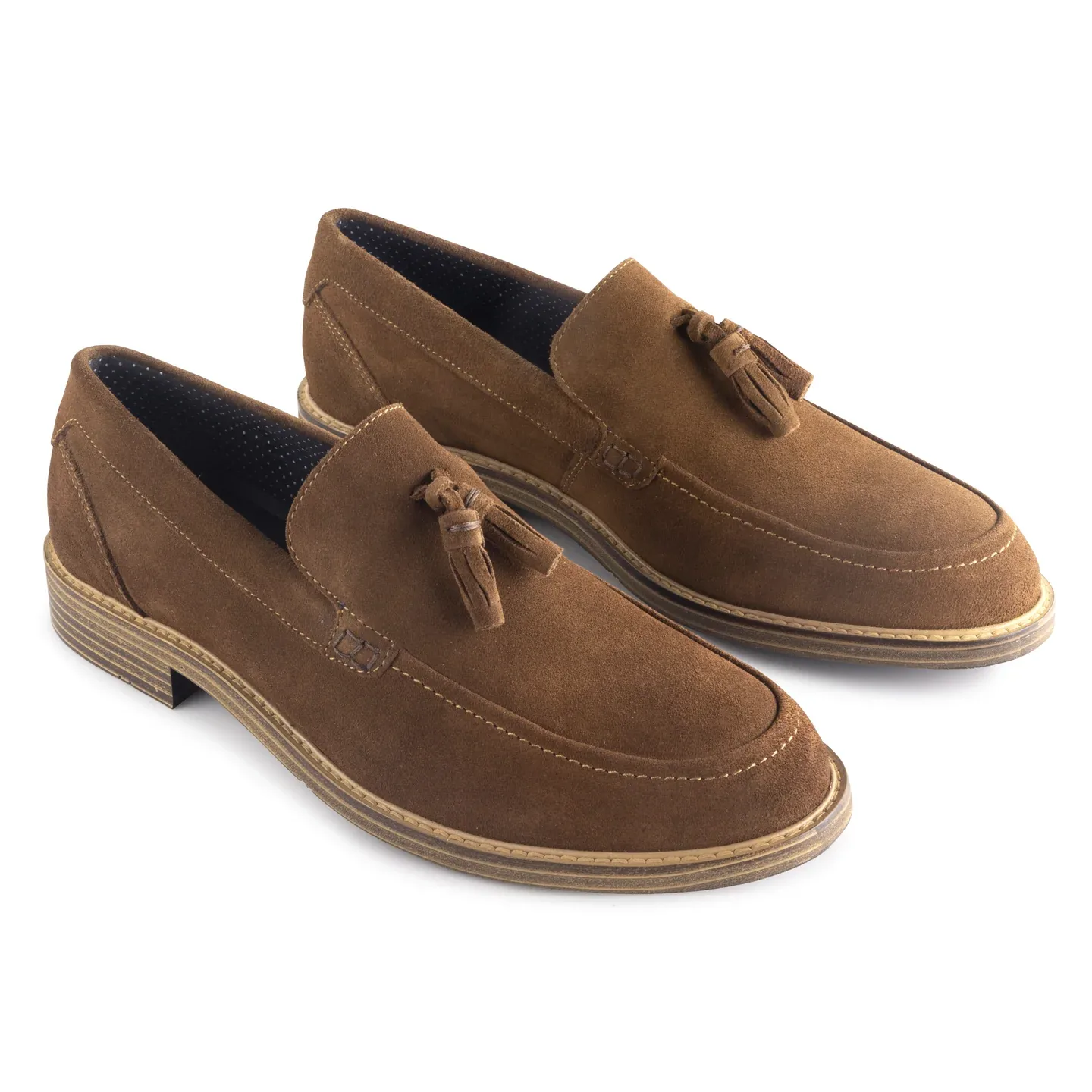
Shoes are one of the most important parts of trekking preparation.
Wear footwear with:
- Strong grip
- Good ankle support
- Comfortable cushioning
Avoid slippery sandals or flat shoes because rocky terrain can be difficult to navigate safely.
Pack Essential Items
Packing wisely ensures a smoother experience.
Water
Hydration is critical during any hike. Bring enough water to stay hydrated before, during, and after the climb.
Even if the trek feels short, dehydration can lead to:
- Dizziness
- Fatigue
- Headaches
Drink small amounts regularly.
Snacks
Light snacks provide quick energy. Good options include:
- Bananas
- Nuts
- Energy bars
- Dried fruits
These are easy to carry and helpful during breaks.
Small Backpack
A lightweight backpack makes carrying essentials easier without causing discomfort.
Pack only what you truly need to avoid unnecessary weight.
Prepare for Weather Changes
Mountain weather can change quickly. Conditions may shift from cold and windy to warm and sunny within a few hours.
Check Weather Forecast
Before trekking, review the forecast for:
- Rain
- Wind
- Temperature changes
- Cloud coverage
Poor weather may affect visibility and trail conditions.
Bring Rain Protection
A compact rain jacket or poncho can be very useful, especially during wetter seasons.
Staying dry helps maintain comfort and prevents chills.
Eat a Balanced Meal Before Starting
Fueling your body properly is essential.
A light but nutritious meal before the hike can provide lasting energy. Choose foods rich in:
- Complex carbohydrates
- Protein
- Healthy fats
Examples include oatmeal, eggs, fruit, or toast.
Avoid heavy meals that may cause discomfort while climbing.
Pace Yourself During the Climb
One common mistake beginners make is starting too fast.
Walk at a Steady Pace
It is better to move slowly and consistently rather than rushing. A steady pace helps conserve energy and reduces breathlessness.
Remember, trekking is not a race.
Take breaks when needed and listen to your body.
Control Your Breathing
Deep, steady breathing improves oxygen flow and helps maintain endurance on steep sections.
Try inhaling through your nose and exhaling slowly through your mouth.
This technique can help you stay calm and focused.
Stay Safe on the Trail
Safety should always be your priority.
Watch Your Step
Loose gravel and volcanic rocks can make footing unstable. Stay attentive, especially on steeper sections.
Avoid distractions while walking.
Follow Instructions
Pay attention to route guidance and safety recommendations. Staying on marked paths reduces the risk of slips or getting lost.
Always remain aware of your surroundings.
Enjoy the Sunrise Experience
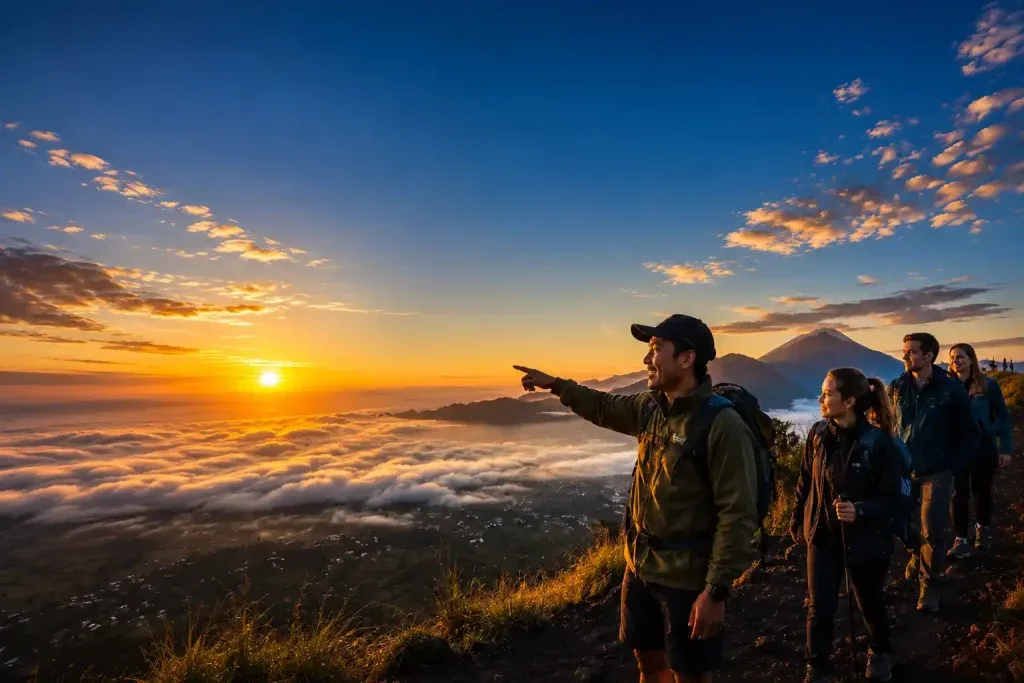
The highlight of the trek is reaching the summit in time for sunrise.
As daylight spreads across the horizon, the sky transforms into shades of orange, pink, and gold. The panoramic views create a memorable reward for your effort.
Take time to appreciate:
- The fresh mountain air
- Scenic landscapes
- Peaceful atmosphere
- Natural beauty
This moment often becomes the most unforgettable part of the journey.
Respect Nature
Responsible trekking helps preserve the environment.
Leave No Trash
Carry all waste back with you, including wrappers and bottles.
Keeping the trail clean protects wildlife and preserves the beauty of the mountain.
Be Mindful of Others
Respect fellow hikers by:
- Keeping noise low
- Sharing trail space
- Being courteous
A respectful attitude improves everyone’s experience.
Final Thoughts
Preparing properly can transform your hiking adventure from challenging to truly enjoyable. From fitness training and proper clothing to hydration and pacing, every small step contributes to a better journey. With the right mindset and preparation, mount batur trekking becomes an unforgettable experience filled with stunning views, adventure, and lasting memories.