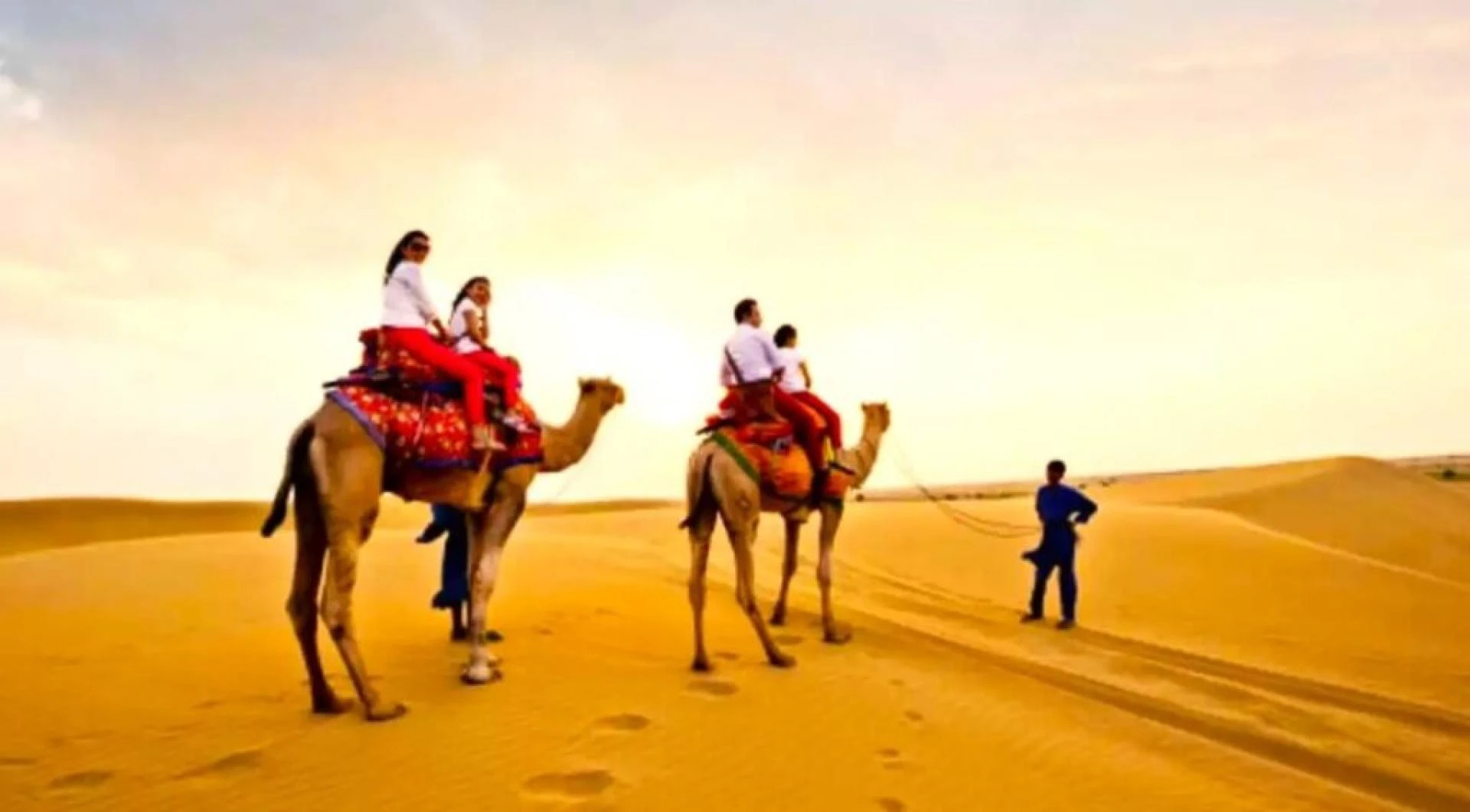
Planning an overnight desert expedition is a dream for many travelers seeking the soul of Rajasthan. To truly experience the Thar, a Camel Safari in Jaisalmer offers an unparalleled connection to the ancient rhythm of the dunes, moving far beyond the typical tourist trails. When you choose to spend a night under the stars, you aren't just booking a tour; you are stepping into a lifestyle that has remained unchanged for centuries. At Rajwada Desert Camp, we believe that the best stories are written in the sand, and planning your journey with the right balance of comfort and authenticity is the key to an unforgettable adventure.
Choosing the Right Season for Your Desert Trek
Timing is everything when it comes to the Thar Desert. The peak season runs from October to March when the daytime temperatures are pleasant and the nights are refreshingly cool. During these months, the golden sands are inviting, and the clear skies provide a perfect canvas for stargazing. If you visit during the shoulder months like September or April, you might find fewer crowds, but be prepared for significantly higher temperatures during the afternoon. Avoiding the monsoon and peak summer is essential, as extreme heat can make the camel trek physically demanding and less enjoyable.
Selecting Your Route and Duration
The Thar Desert is vast, and not all dunes are created equal. While many travelers head straight for the crowded areas, those seeking a genuine "overnight" feel should look for routes that lead to more secluded spots. A Jaisalmer 2 Night 3 Days Budget Package is often the ideal duration for those who want to balance a night in a traditional camp with a night spent in the open wild. This timeframe allows you to travel deeper into the desert, away from the noise of jeep engines, where the only sound is the soft thud of camel hooves on the sand.
What to Pack for a Night in the Dunes
Packing for a camel safari requires a "less is more" philosophy, but there are essentials you cannot overlook.
- Clothing: Wear loose, breathable cotton clothes for the day. Long sleeves and trousers are recommended to protect your skin from the sun and the friction of the saddle.
- Warmth: Even in summer, desert temperatures can drop at night. Bring a light jacket or a fleece. In winter, a heavy sweater or thermal layers are mandatory.
- Footwear: Closed-toe shoes or sturdy sandals with straps are better than flip-flops, which can easily get lost in deep sand.
- Sun Protection: A wide-brimmed hat, high-SPF sunscreen, and quality sunglasses are non-negotiable.
- Personal Care: Wet wipes, hand sanitizer, and a basic first-aid kit will keep you comfortable in a rustic setting.
Understanding the Camel Safari Experience
A camel safari is a slow-motion journey. You will typically set out in the late afternoon when the sun’s intensity begins to fade. As you trek toward your campsite, the landscape shifts from scrubland to towering dunes. Riding a camel involves a unique physical rhythm; the trick is to lean back when the camel is going downhill and lean forward when it is climbing. Most reputable operators ensure their camels are well-treated and healthy, which is a core part of the ethical experience we uphold at our camp.
The Magic of an Evening Under the Stars
Once you reach your secluded spot among the dunes, the real magic begins. As the sun sets, painting the sky in hues of orange and violet, your guides will usually start a small fire to prepare a traditional Rajasthani meal. There is something deeply grounding about eating Ker Sangri or Bajra Rotla cooked over an open flame in the middle of nowhere. After dinner, the silence of the desert takes over. Without the light pollution of the city, the Milky Way becomes visible in stunning detail. Most overnight safaris provide clean bedding and thick quilts, allowing you to sleep directly under the canopy of stars.
Transitioning to a Luxury Base
While the raw experience of sleeping on the dunes is magical, many travelers prefer to pair it with a stay at a structured Desert Camp Sam Sand Dunes Jaisalmer for their second night. This allows you to enjoy the "wild" side of Jaisalmer followed by the comfort of a luxury tent, attached bathrooms, and cultural performances. It provides a well-rounded perspective of the region—one night of rustic solitude and one night of festive Rajasthani hospitality.
Safety and Environmental Ethics
Respecting the desert is paramount. Always carry your trash back with you and avoid using plastic as much as possible. Water is a precious resource in Rajasthan, so use it sparingly. Regarding safety, always listen to your camel handler’s instructions. These animals are generally docile but can be unpredictable if they feel startled. Choosing a local expert who knows the terrain ensures that you are never truly "lost," even when you feel miles away from civilization.
Capturing the Memories
Photography in the desert is a delight, but sand is the enemy of electronics. Keep your camera or phone in a sealed bag when not in use. The "Golden Hour"—just before sunset—provides the most flattering light for portraits and landscape shots. However, don't spend the whole time behind a lens. Some of the best moments of an overnight safari are the ones you simply sit and soak in, feeling the cool sand between your toes and watching the moon rise over the horizon.
Final Preparations
Before you head out, ensure you have communicated any dietary restrictions to your tour operator. Most desert meals are vegetarian by default, which is both traditional and safer for transit. Hydration is the most critical factor; drink plenty of water starting the day before your trek. By planning ahead and choosing a balance of adventure and comfort, your overnight camel safari will become the highlight of your Indian odyssey, leaving you with a profound appreciation for the silence and beauty of the Thar.