Organizing an event with extremely little time might be challenging. Days, or even hours, separate you now from the big day, which calls for fast thinking and wise decisions. A well-planned event may come together and wow attendees even with a limited timeframe. The secret is to concentrate on what really counts and move quickly to maximize the limited resources at hand.
Set Clear Priorities Early On
Choosing the major objective of the event comes first and most importantly. Understanding the goal, whether it's to honor, provide knowledge, or unite people, guides every decision. One cannot accomplish everything in a limited time frame. Well-defined priorities enable one to decide what has to be done and what may wait or be omitted. This simplicity and efficiency in the planning process help to maintain it. It also helps prevent wasting time on little things that have little bearing on value. An early decision on the goal of the event guarantees that the outcome satisfies expectations and helps keep the overall strategy in line.
Choose a Quick, Simple Venue
It should be immediately decided where to host the event. Choosing a site that meets the event size and is simple to reserve can help save valuable time. Simple venues like parks, residences, or community halls can permit quick booking and few regulations to follow. Easy access to a place lets people arrive without trouble. Steer clear of areas requiring complicated setups or lengthy approval procedures, as they could create delays. Once a site is decided upon, additional details can be decided on. Early on, securing a simple venue helps to minimize last-minute surprises and makes everything else simpler.
Keep the Guest List Under Control
Maintaining a smaller guest list helps manage many aspects of the event, given a limited time. Fewer guests equal fewer invites sent, and quicker responses obtained. Planning for food, seats, and supplies also requires less effort. Emphasizing the most crucial individuals makes the occasion seem unique without being too extravagant. A reasonable guest list helps the host to stay calm and keeps the event orderly. Since fewer individuals are engaged, it also enables rapid changes where needed. One of the finest strategies to keep the event under control and on time is to restrict attendees overall.
Create Quick and Easy Invites
Send invitations quickly for short events. Digital invites made via email, text messaging, or social media best reach individuals immediately. These instruments also provide fast tracking of who may visit. Simple, brief invites clearly state the time, location, and intent without ambiguity. Designing invites may be done quickly by using ready-made templates or event software. Reminders sent one or two days before the event help confirm participation. Fast and unambiguous invites educate attendees and enable organizers to estimate attendance, therefore guiding their more exact planning.
Simplify Beverage and Food Selection
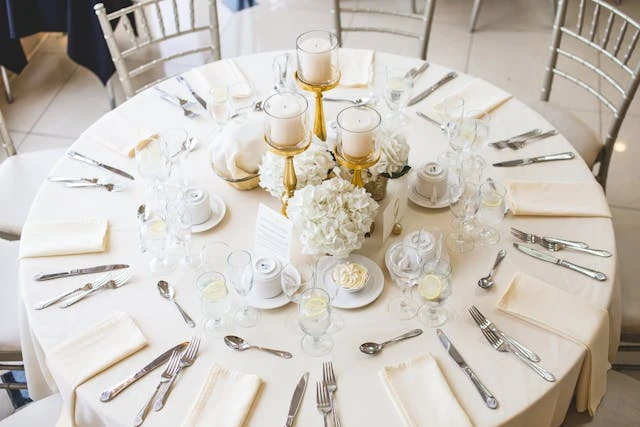
When time is limited, offering food and beverages is best done with basic, readily available choices. Ordering finger appetizers, ready-made plates, or snacks from neighborhood caterers or retailers saves preparation time. Steer clear of intricate menus or meals requiring extended preparation or presentation times. Keeping the drink choices simple—that is, water, soda, and juice—helps most visitors without further effort. If possible, ask visitors to bring a small item to share. Simple food and beverages, along with quick and easy napkin rentals for events, free organizers from worry and provide more time to concentrate on other aspects of the event. This strategy keeps visitors content without imposing pressure.
Pick Simple Entertainment Options
Effective entertainment doesn't have to be sophisticated or elegant. Simple music playlists, laid-back activities, or areas for conversation give visitors something to enjoy. Selecting activities requiring little equipment or preparation helps ensure the event runs without incident. If technology is used, early testing helps avoid issues during the event. Simple entertainment, nonetheless, makes the limited planning schedule fit and contributes to creating a pleasant environment. Keeping entertainment simple lets planners concentrate on ensuring attendees are comfortable and the event seems vibrant without more work.
Conclusion
Clear goals and smart choices can help plan a great event even with little time. They also keep things on track and prevent rushed decisions. The procedure is under control if one chooses a basic setting and keeps the guest list modest. Easy meal selections and quick digital invitations save time and help lower stress. Simple entertainment keeps visitors interested without intricacies. These actions provide a solid strategy that fits quite well, even with limited time. Simple decisions and quick responses help to create the basis for a memorable event that visitors will appreciate.
SOURCES
https://www.cvent.com/en/blog/events/event-timeline
https://www.vfairs.com/blog/event-planning-timeline/
https://avad3.com/event-planning-short-timeline/
https://www.indeed.com/career-advice/career-development/plan-event-10-steps