Creating a Balanced and Timeless Interior Design
Decorating a home can be exciting, but it often comes with a common challenge: choosing between modern and traditional furniture styles. Some homeowners love the clean lines and simplicity of modern furniture, while others appreciate the warmth, character, and craftsmanship of traditional pieces. The good news is that you don't have to choose one style over the other.
One of the most popular interior design trends today is blending modern and traditional furniture to create a space that feels unique, comfortable, and timeless. When done correctly, this combination can bring together the best features of both styles, resulting in a home that feels sophisticated without being overly formal and contemporary without feeling cold.
Retailers like maynards furniture offer a wide range of furniture collections that make it easy to mix design styles while maintaining a cohesive and inviting look. Whether you're furnishing an entire home or updating a single room, understanding how to combine modern and traditional elements can help you achieve a beautifully balanced space.
Why Mixed Design Styles Are So Popular
Many homeowners no longer want rooms that look like they came directly from a furniture showroom. Instead, they prefer spaces that reflect their personality, experiences, and lifestyle.
Mixing furniture styles offers several benefits:
- Creates a unique appearance
- Prevents rooms from feeling overly themed
- Adds visual interest
- Balances comfort and sophistication
- Allows homeowners to keep cherished furniture pieces
By combining old and new elements, homeowners can create interiors that feel layered, collected, and welcoming.
Understanding Modern Furniture Style
Before mixing styles, it's helpful to understand the characteristics of modern furniture.
Modern furniture typically features:
- Clean lines
- Minimal ornamentation
- Neutral color palettes
- Functional design
- Open and uncluttered appearances
Materials often include:
- Metal
- Glass
- Smooth wood finishes
- Leather
- Performance fabrics
Modern furniture focuses on simplicity and practicality while maintaining a sophisticated look.
Many contemporary collections available at maynards furniture showcase these characteristics while remaining comfortable and family-friendly.
Understanding Traditional Furniture Style
Traditional furniture is inspired by classic design principles and often emphasizes craftsmanship and elegance.
Common features include:
- Detailed woodwork
- Curved lines
- Rich wood finishes
- Decorative accents
- Formal silhouettes
Traditional furniture often incorporates warm colors and timeless materials that create a sense of comfort and familiarity.
While modern furniture emphasizes simplicity, traditional furniture celebrates detail and character.
Start With a Neutral Foundation
One of the easiest ways to successfully mix furniture styles is by creating a neutral foundation.
Neutral walls, flooring, and larger furniture pieces help unify different design elements.
Popular neutral colors include:
- Soft white
- Warm beige
- Light gray
- Cream
- Taupe
These shades provide flexibility and allow both modern and traditional furniture to coexist harmoniously.
A neutral backdrop also prevents the room from feeling visually overwhelming.
Choose One Style as the Primary Influence
Although mixing styles is encouraged, it's often helpful to establish one style as the dominant influence.
For example:
- 70% modern and 30% traditional
- 60% traditional and 40% modern
This approach creates consistency while still allowing room for contrast.
A living room may feature a modern sofa paired with a traditional coffee table, or a traditional dining table may be complemented by modern dining chairs.
Furniture experts at maynards furniture often recommend maintaining a primary design direction to avoid a disconnected appearance.
Combine Different Furniture Shapes
One of the most effective ways to blend modern and traditional furniture is through shape contrast.
For example:
- Pair a sleek modern sofa with a traditional wooden side table.
- Combine a traditional dining table with modern upholstered chairs.
- Place a contemporary coffee table alongside classic armchairs.
Mixing shapes creates visual interest while helping each furniture piece stand out.
The contrast between clean lines and decorative details often creates a balanced and sophisticated look.
Use Color to Create Harmony
Color plays a major role in tying different furniture styles together.
Even when furniture designs differ, a consistent color palette helps create unity.
For example:
- Dark wood traditional furniture can pair beautifully with modern gray upholstery.
- Modern black accents can complement classic wood finishes.
- Neutral fabrics help bridge different design influences.
Using coordinated colors prevents the room from feeling disjointed and helps establish a cohesive atmosphere.
Blend Materials for Added Depth
Another effective strategy is combining various materials throughout the room.
Popular combinations include:
Wood and Metal
Traditional wood furniture pairs naturally with modern metal accents.
Glass and Wood
Glass tables can lighten the appearance of heavier traditional furniture.
Fabric and Leather
Combining upholstered pieces with leather seating creates texture and visual variety.
These material contrasts help modern and traditional elements feel intentionally connected.
Many furniture collections available through maynards furniture incorporate mixed materials that work well in transitional interiors.
Mix Old and New Statement Pieces
Rather than filling a room with furniture from a single collection, consider blending standout pieces from different eras.
Examples include:
- An antique dining table with contemporary lighting
- A traditional dresser paired with modern wall art
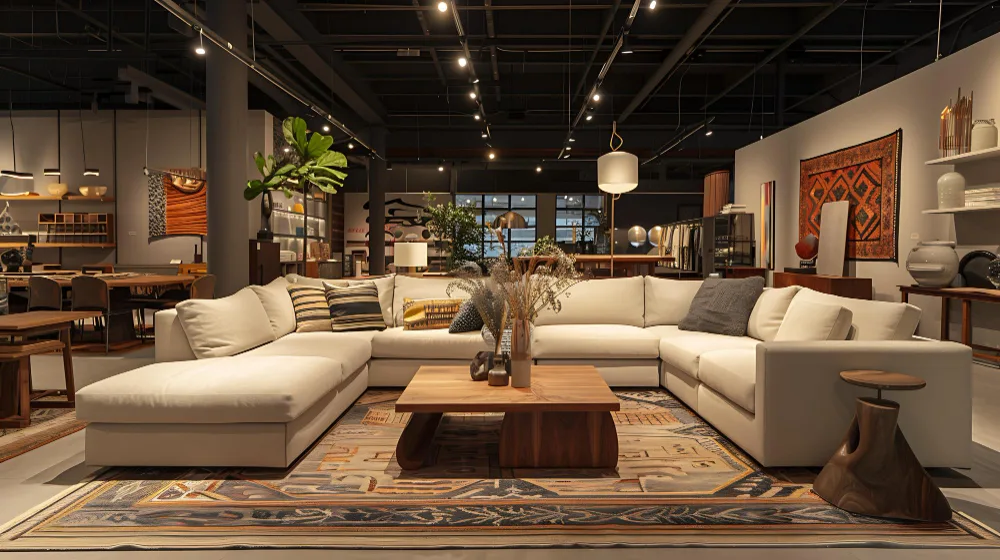
- A modern sectional combined with a vintage-inspired rug
Statement pieces create focal points while showcasing personal style.
The goal is not perfect matching but rather thoughtful coordination.
Pay Attention to Scale and Proportion
Even beautifully designed furniture can look out of place if the proportions are inconsistent.
When mixing styles, ensure that furniture pieces feel balanced in size.
For example:
- Avoid pairing a delicate antique chair with an oversized sectional.
- Choose tables that align with seating heights.
- Maintain consistent visual weight throughout the room.
Proper scale helps create a polished and intentional appearance.
Use Accessories to Connect Styles
Accessories serve as valuable tools for blending different furniture styles.
Consider incorporating:
- Decorative pillows
- Area rugs
- Lamps
- Artwork
- Mirrors
- Plants
These elements help bridge the gap between modern and traditional pieces.
For instance, a contemporary lamp placed on a traditional side table can create a seamless connection between styles.
Accessories also allow homeowners to introduce personality without making major furniture changes.
Embrace Transitional Design Principles
Transitional design is one of the most popular decorating approaches because it naturally blends modern and traditional elements.
Characteristics include:
- Neutral color palettes
- Clean but comfortable lines
- Balanced use of ornamentation
- Timeless materials
- Comfortable furnishings
Many homeowners discover that transitional interiors provide the perfect balance between classic elegance and modern simplicity.
Furniture available at maynards furniture often reflects transitional influences that make mixing styles easier and more successful.
Avoid Overcrowding the Space
When combining furniture styles, less is often more.
Too many competing pieces can make a room feel cluttered and confusing.
Focus on:
- Meaningful furniture selections
- Balanced layouts
- Open pathways
- Thoughtful arrangement
Allow each piece room to breathe and contribute to the overall design.
A well-edited space often feels more sophisticated than one filled with excessive furniture and accessories.
Why Mixing Styles Creates Timeless Interiors
One reason homeowners increasingly embrace mixed furniture styles is longevity.
Rooms designed around a single trend may eventually feel outdated. However, blending modern and traditional elements often results in a more timeless appearance.
This approach allows homeowners to:
- Adapt to changing trends
- Preserve meaningful furniture pieces
- Express personal style
- Create unique interiors
The result is a home that feels curated rather than decorated according to a temporary trend.
Final Thoughts
Successfully mixing modern and traditional furniture styles is all about creating balance. By combining clean contemporary lines with timeless classic elements, homeowners can enjoy interiors that feel both fresh and familiar.
Starting with a neutral foundation, maintaining a consistent color palette, blending materials, and paying attention to scale can help ensure a harmonious design. Whether you're updating a living room, dining area, bedroom, or entire home, thoughtful furniture selection allows modern and traditional styles to complement one another beautifully.
With a wide variety of furniture options available through maynards furniture, homeowners can confidently explore different styles and create spaces that reflect their unique tastes. The result is a home that feels comfortable, elegant, and timeless for years to come.