
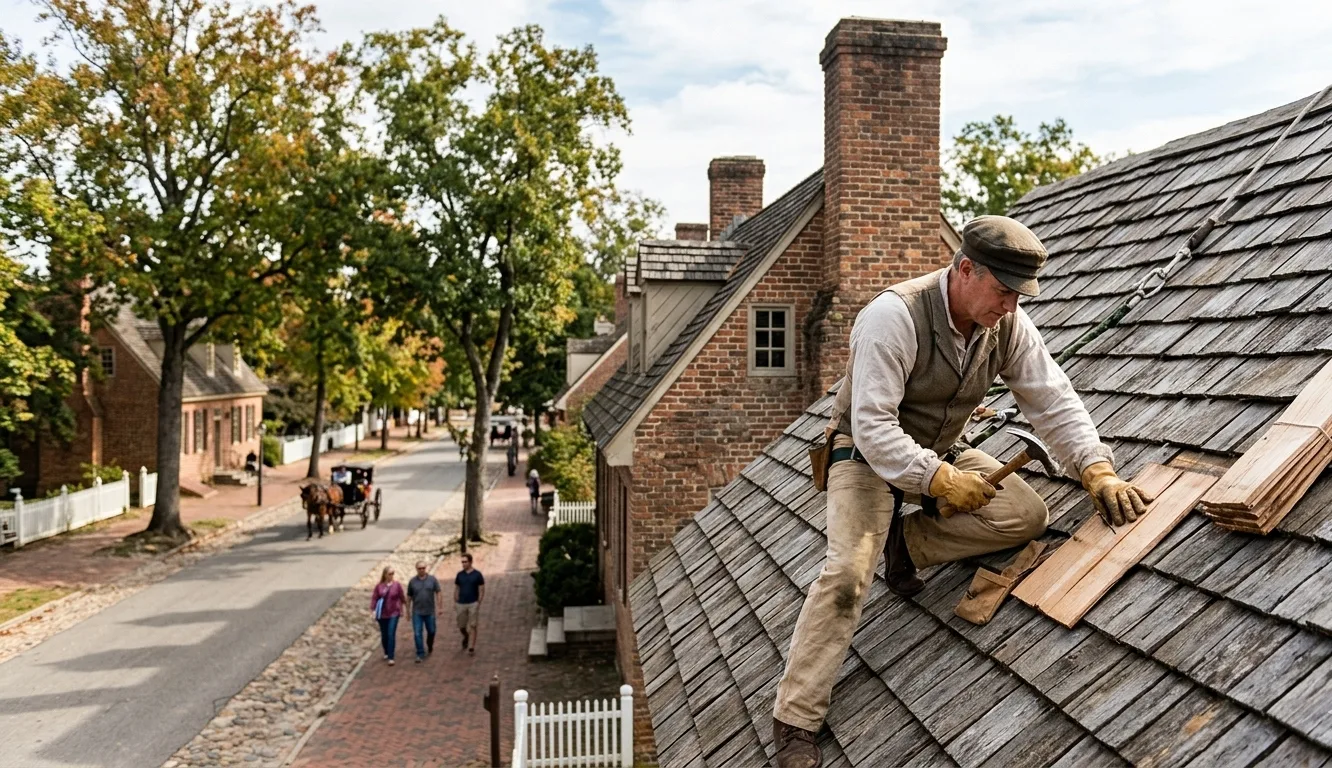
Living in a dense urban neighborhood comes with many advantages. Access to public transportation, vibrant communities, historic architecture, and nearby businesses all contribute to the appeal of city life. However, homeowners and property managers in places like Bushwick also face unique challenges when it comes to maintaining their roofs. Urban environments expose roofing systems to constant stress from pollution, fluctuating temperatures, heavy rainfall, foot traffic, and nearby construction activity.
Unlike suburban homes with more open space and fewer environmental pressures, city properties require a proactive roofing maintenance strategy. A neglected roof in an urban setting can quickly lead to leaks, insulation problems, structural damage, and expensive emergency repairs. For property owners in Brooklyn, understanding how to properly maintain a roof is essential for preserving both property value and long-term safety.
Urban Roofing Faces Different Challenges
Roofs in busy neighborhoods experience a level of wear that many homeowners underestimate. Airborne debris from nearby buildings, clogged drainage systems, and the heat generated by surrounding structures all contribute to faster deterioration. Flat roofs, which are especially common across Brooklyn, are highly functional for urban buildings but require consistent attention to prevent standing water and membrane damage.
Traffic vibrations and nearby renovation work can also impact roofing materials over time. Small cracks or loosened flashing may seem insignificant initially, but in crowded neighborhoods where buildings are closely packed together, even a minor leak can spread quickly and affect multiple units within a property.
One of the most overlooked issues in urban roofing is limited visibility. Because many homeowners rarely access their rooftops, early warning signs often go unnoticed. By the time water stains appear on ceilings or walls, the underlying issue may already be extensive.
Schedule Routine Roof Inspections
Regular inspections are one of the most effective ways to extend the life of a roofing system. Urban roofs should ideally be inspected at least twice a year, particularly after winter and after periods of heavy rain or storms.
Professional inspections help identify subtle issues before they become costly problems. Roofing specialists look for damaged flashing, pooling water, punctures in flat roofing membranes, cracked shingles, blocked drains, and weakened seams. In busy city environments, even accumulated debris can create moisture retention that accelerates deterioration.
Property owners who rely solely on visible leaks often end up paying far more in long-term repair costs. Preventive maintenance is always more affordable than emergency structural repairs.
Keep Drainage Systems Clear
Drainage is one of the most important aspects of roof maintenance in urban neighborhoods. Flat roofs especially depend on properly functioning drains, gutters, leader pipes, and downspouts to move water away efficiently.
Leaves, dust, litter, and construction debris can quickly clog drainage systems in city environments. When water cannot flow properly, it begins to pool on the roof surface. Over time, standing water weakens roofing materials, damages seams, and increases the likelihood of leaks.
Why Urban Drainage Problems Escalate Quickly
In neighborhoods with attached or closely spaced buildings, drainage issues may also impact neighboring properties. Overflowing gutters and blocked downspouts can direct water toward walls, foundations, and adjoining structures. This often leads to moisture infiltration, mold growth, and façade damage.
Routine gutter cleaning and drain inspections are essential, especially during fall and after storms. Professional maintenance crews can safely clear blockages while checking for signs of corrosion or improper water flow.
Address Small Repairs Immediately
One of the biggest mistakes property owners make is postponing minor roofing repairs. In busy urban areas, small problems rarely stay small for long. A loose flashing section or small membrane puncture can rapidly worsen due to constant exposure to rain, snow, wind, and temperature fluctuations.
Common Early Warning Signs
Several indicators suggest that a roof may require attention:
Interior Water StainsBrown spots on ceilings or upper walls often signal hidden leaks.
Bubbling or Blistering Roofing MaterialFlat roofing membranes that bubble or blister may indicate trapped moisture beneath the surface.
Sagging AreasUneven or soft spots can suggest structural weakening caused by prolonged moisture exposure.
Increased Energy BillsDamaged roofing systems often reduce insulation performance, causing heating and cooling systems to work harder.
Prompt repairs not only protect the structure but also help preserve tenant satisfaction in multi-family buildings.
Limit Unnecessary Roof Traffic
Urban rooftops frequently serve multiple functions. HVAC systems, satellite equipment, solar panels, and maintenance access all increase foot traffic. Unfortunately, excessive rooftop activity accelerates wear on roofing materials.
Flat roofs are especially vulnerable to punctures and seam separation caused by heavy equipment or repeated walking. Property owners should ensure that only authorized personnel access the roof and that proper walk pads are installed in high-traffic areas.
Professional roofing contractors understand how to navigate urban rooftops without damaging sensitive materials. This is one reason why working with experienced local specialists is so important.
Seasonal Preparation Matters
City roofs endure significant seasonal stress throughout the year. Winters in New York bring snow accumulation and freeze-thaw cycles that expand small cracks and weaken materials. Summer heat, on the other hand, causes roofing surfaces to expand and contract repeatedly.
Preparing the roof for changing seasons can dramatically reduce long-term damage.
Winter Preparation
Before winter arrives, drains should be cleared, flashing inspected, and any vulnerable seams reinforced. Snow accumulation should also be monitored carefully on flat roofs.
Summer Maintenance
During warmer months, inspections should focus on UV damage, membrane shrinkage, and heat-related wear. Reflective coatings may also help improve energy efficiency during peak summer temperatures.
Invest in Professional Roofing Expertise
Urban roofing maintenance requires more than occasional patchwork. Property owners benefit most when they partner with contractors who understand the specific demands of city buildings.
Experienced local roofing professionals are familiar with common architectural styles, drainage challenges, and weather-related risks in neighborhoods like Bushwick. They also understand local building regulations and how to coordinate projects in densely populated areas.
For homeowners and landlords seeking dependable solutions, exploring trusted Brooklyn roof maintenance and repair specialists can help ensure that roofing systems remain durable, energy-efficient, and structurally sound for years to come.
Long-Term Maintenance Protects Property Value
A well-maintained roof does far more than prevent leaks. It protects insulation systems, improves energy efficiency, preserves interior finishes, and enhances overall property value. In competitive urban real estate markets, visible roof neglect can significantly reduce buyer confidence and rental appeal.
Busy neighborhoods place constant pressure on buildings, making proactive roofing care essential rather than optional. Property owners who invest in routine inspections, timely repairs, and proper drainage maintenance avoid many of the expensive problems that arise from neglect.
Urban roofs may not always receive much attention, but they quietly protect every aspect of a building beneath them. With the right maintenance strategy and support from experienced professionals, property owners can extend the lifespan of their roofs while protecting one of their most valuable investments.