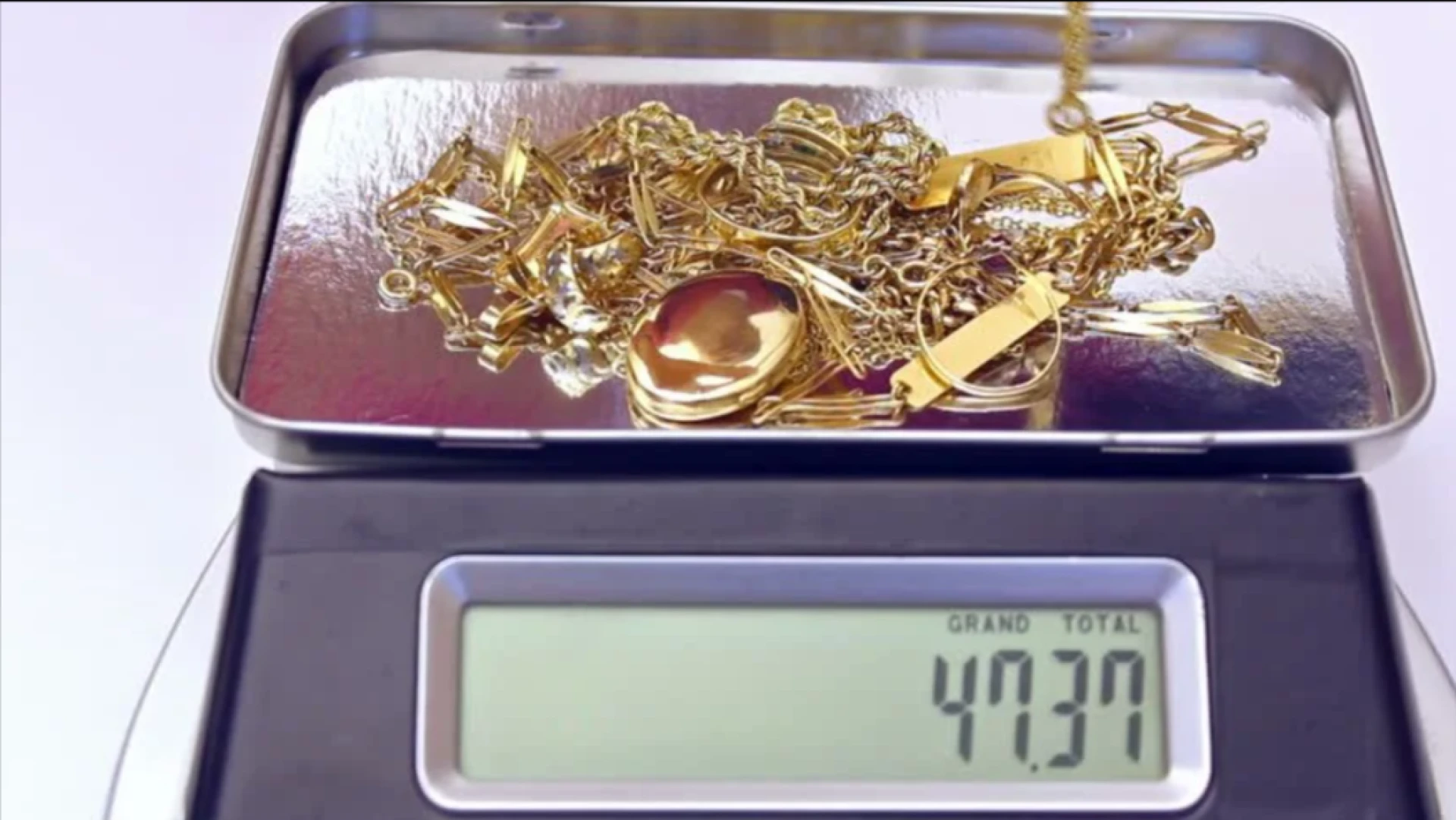
For jewellers, gold traders, and collectors, an accurate gold scale is indispensable. Whether you’re weighing raw gold, coins, or fine jewellery, even the slightest inaccuracy can result in financial loss and erode trust with customers. However, simply purchasing a high-quality scale isn’t enough. To ensure longevity and accuracy, regular maintenance is essential.
Why Gold Scale Maintenance Matters
Gold scales are precision instruments designed to measure tiny weights accurately, often down to milligrams. Over time, factors such as dust, handling, environmental conditions, and wear-and-tear can affect their performance.
Neglecting maintenance can lead to:
- Inaccurate weight readings
- Customer disputes or loss of trust
- Regulatory non-compliance
- Shortened lifespan of the scale
Proper maintenance helps you:
- Protect your investment
- Ensure consistent accuracy
- Reduce costly recalibration or repairs
- Maintain credibility in gold trading or jewellery businesses
1. Keep Your Scale Clean
Daily Cleaning
Gold scales are sensitive to dust and residue. Even small particles can affect accuracy. After each use, gently wipe the scale’s pan and surrounding area with a lint-free, dry microfiber cloth.
Avoid Harsh Cleaners
Never use strong chemicals or abrasive cleaning agents, as they may damage the weighing surface or sensors. If necessary, use a slightly damp cloth with mild soap and immediately dry it.
Handle Spills Immediately
If gold dust, polishing compounds, or other materials spill on the scale, clean it right away. Leaving residue can affect accuracy and corrode sensitive parts.
2. Use the Scale in the Right Environment
Gold scales are designed to function in controlled environments. External conditions like vibrations, drafts, and temperature swings can disrupt accuracy.
- Stable Surface: Place the scale on a flat, vibration-free surface. Avoid countertops near machinery or heavy traffic.
- Temperature Control: Keep the scale in a consistent temperature range. Avoid direct sunlight or areas near heaters and air conditioners.
- Humidity Protection: Excess moisture can damage electronics. If you’re in a humid region, consider using a dehumidifier or silica gel packets near the scale.
- Air Currents: Use draft shields (common in precision balances) to protect measurements from airflow interference.
3. Handle with Care
Gold scales are delicate instruments. Rough handling can damage load cells or sensors.
- Always place gold gently onto the weighing pan. Dropping items can strain internal mechanisms.
- Do not overload the scale. Even a brief overload can permanently affect accuracy.
- Use tweezers or gloves when handling small gold pieces to prevent oils or fingerprints from interfering with the measurement.
4. Regular Calibration
Calibration ensures your gold scale remains accurate over time. Because scales can drift with regular use, calibration is not optional—it’s essential.
Types of Calibration
- External Calibration: Using certified calibration weights to adjust the scale. This is common for high-precision gold balances.
- Internal Calibration: Some advanced gold scales include built-in calibration mechanisms, which automatically recalibrate at set intervals.
Frequency
- For business use, calibrate the scale daily or weekly depending on usage.
- For occasional personal use, monthly calibration may suffice.
- Always recalibrate after moving the scale to a new location or after significant environmental changes.
5. Protect from Power Fluctuations
Electronic gold scales are sensitive to voltage changes. Power surges or unstable electricity can damage internal circuits.
- Use a surge protector or an uninterruptible power supply (UPS) for protection.
- Avoid plugging the scale into outlets shared with heavy machinery that may cause electrical interference.
6. Proper Storage
When not in use, store your gold scale properly to prevent damage.
- Cover it with a dust shield or protective case.
- Store in a dry, temperature-stable room.
- If portable, keep it in its original carrying case to protect it from shocks during transportation.
7. Avoid Common Mistakes
Even with good intentions, many users unknowingly shorten the lifespan of their gold scales. Here are mistakes to avoid:
- Ignoring Zeroing: Always reset the scale to zero before weighing gold to ensure accuracy.
- Stacking Items: Never place multiple containers or unnecessary weight on the scale pan.
- DIY Repairs: Avoid opening or attempting to fix the scale yourself—this can void warranties and cause more damage.
- Neglecting Warm-Up: Electronic scales may need a few minutes to stabilise after being turned on before giving accurate readings.
8. Routine Professional Servicing
While daily cleaning and calibration are crucial, professional servicing is also recommended. Accredited service providers can perform:
- Detailed calibration with traceable reference standards
- Inspection of load cells, electronics, and pan alignment
- Preventive maintenance to detect early signs of wear
Scheduling annual servicing ensures your gold scale continues to perform at peak accuracy.
9. Train Staff Properly
If you run a jewellery store or gold trading business, make sure staff are trained in proper handling and care of gold scales. Many errors occur due to improper use, such as overloading, rough handling, or ignoring calibration routines. Proper training minimises risks and extends the life of the equipment.
10. Invest in Quality Accessories
The right accessories can support longevity and accuracy:
- Calibration Weights: Always use certified calibration weights made of stainless steel for external calibration.
- Tweezers: For precise handling of gold dust or small pieces.
- Protective Covers: To shield from dust when the scale is not in use.
- Anti-Vibration Tables: For laboratory-grade gold balances requiring maximum accuracy.
The Payoff of Proper Maintenance
Maintaining your gold scale may seem like extra work, but the benefits far outweigh the effort. With proper care, a good scale can last many years, deliver accurate results and protect your business from costly mistakes. More importantly, accurate measurements reinforce your reputation for honesty and precision—two values that are vital in the gold trade.
Conclusion
Gold scales are more than just weighing tools—they’re precision instruments that safeguard trust and value in every transaction. By keeping your scale clean, storing it properly, calibrating regularly, and protecting it from environmental and electrical stress, you can ensure both longevity and accuracy.
Whether you’re a professional jeweller, a gold trader, or a hobbyist, treating your gold scale with the same care you give to the precious metals it weighs is a wise investment. Remember: an accurate scale is the foundation of credibility in the gold business.