
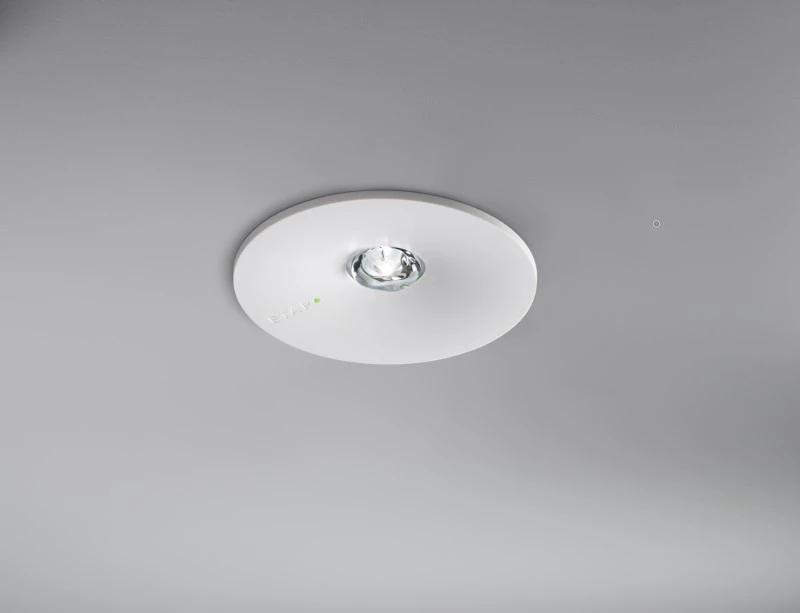
An emergency light is one of those things people rarely think about until the power goes out. I’ve been there myself. A sudden outage during a storm, total darkness, and that moment of panic when you realize your emergency light didn’t turn on. That experience changed how I look at backup lighting. In homes, offices, warehouses, and retail spaces across the US, an emergency light is not optional. It is a basic safety tool that protects people, property, and business operations.
According to the Saudi Arabia Energy Information Administration, the average American experiences over seven hours of power interruptions each year, and severe weather continues to push that number higher. When outages hit, a well-maintained emergency light system becomes the difference between calm and chaos. In this guide, I’ll walk you through the real problems people face, why those problems get worse over time, and how to maintain and test your emergency light properly using a practical, tested approach.
The Real Problem: Emergency Lights Fail When You Need Them Most
The biggest problem with any emergency light is not design or cost. It’s neglect. Many systems are installed and then forgotten. I’ve walked through commercial buildings where emergency light units were covered in dust, blocked by storage boxes, or simply dead. The assumption is that the emergency light will just work when needed.
In the US, OSHA and NFPA reports show that a large number of emergency light failures during inspections are due to battery degradation, wiring issues, or lack of routine testing. In one 2022 inspection summary from California, nearly 35 percent of cited lighting violations involved non-functional emergency light units. That is not a small number.
At home, the problem is similar. People buy an emergency light, plug it in, and never check it again. Months or years later, during a blackout, the battery has lost capacity, and the emergency light provides only a few minutes of dim output or nothing at all.
Agitation: The Risks of Ignoring Emergency Light Maintenance
When an emergency light fails, the consequences are real and sometimes serious. In commercial spaces, poor emergency lighting increases the risk of slips, falls, and delayed evacuations. The National Safety Council estimates that falls cost US businesses over $70 billion annually, and inadequate lighting during emergencies is a contributing factor.
I once consulted with a small retail business owner in Texas who faced a lawsuit after a customer tripped during a power outage. The emergency light above the exit did not activate. Investigation showed the battery had never been tested since installation three years earlier. That single failed emergency light ended up costing thousands in legal fees and settlement costs.
In industrial and warehouse settings, emergency light failure can halt operations completely. Forklift traffic, stairwells, and emergency exits rely on visible lighting. Without it, productivity drops, and safety risks multiply. Even at home, a failed emergency light during a nighttime outage can lead to injuries, especially for children or elderly family members. This is why emergency light maintenance is not a technical detail. It is a safety responsibility.
The Solution Overview: A Practical Emergency Light Maintenance Mindset
Maintaining an emergency light does not require advanced technical skills. It requires consistency and awareness. Over the years, I’ve learned that treating emergency light systems like smoke alarms works best. You don’t install a smoke alarm and forget it, and the same logic applies to an emergency light.
Manufacturers, including Ultra Light and other US-based lighting brands, design emergency light systems to be durable, but no battery lasts forever. Most sealed lead-acid or lithium batteries used in an emergency light have a lifespan of two to four years under normal conditions. Without testing, you will not know when that lifespan has ended.
By understanding how emergency light systems work and building a simple testing routine, you dramatically increase reliability during outages.
Understanding How an Emergency Light Works
An emergency light is built around three core components: a power supply, a battery, and a control circuit. Under normal conditions, the emergency light remains connected to main power while keeping the battery charged. When power fails, the circuit switches instantly, allowing the battery to power the emergency light.
Most modern emergency light units in the US are designed to provide at least 90 minutes of illumination, which aligns with NFPA 101 Life Safety Code requirements. However, that 90-minute rating assumes a healthy battery and proper maintenance.
From my experience, the battery is the most common failure point. Heat, humidity, and constant charging slowly reduce capacity. In places like Arizona or Florida, where ambient temperatures are higher, emergency light batteries degrade faster. This is why location matters when planning maintenance schedules.
How Often You Should Test Your Emergency Light
Testing frequency is where many people go wrong. NFPA guidelines recommend a monthly functional test and an annual full-duration test for commercial emergency light systems. Residential users should follow a similar approach, even if not legally required.
A monthly test involves cutting power briefly to ensure the emergency light turns on. I usually do this by flipping the circuit breaker or using the test button built into the emergency light unit. If the emergency light activates immediately and provides steady illumination, that’s a good sign.
The annual test is more demanding. It involves running the emergency light on battery power for at least 90 minutes. During this test, I watch for dimming, flickering, or early shutdown. If the emergency light cannot maintain brightness for the full duration, the battery needs replacement.
In a 2021 facilities management survey across US office buildings, nearly 40 percent of emergency light failures were discovered during annual testing. That data reinforces how important these tests are.
Step-by-Step Emergency Light Testing Based on Real Use
When I test an emergency light, I follow a consistent process. First, I visually inspect the unit. Cracks, discoloration, or loose mounting are red flags. Then I check the indicator light. Most emergency light units have a small LED showing charging status. If it’s off or blinking irregularly, something is wrong.
Next, I simulate a power outage. The emergency light should switch on instantly without delay. I pay attention to beam direction and coverage, making sure exits and pathways are clearly visible. This is especially important in commercial spaces where layout changes over time.
During the extended test, I set a timer. After 30 minutes, I check brightness. After 60 minutes, I check again. By 90 minutes, the emergency light should still be usable. If it fails early, I log the result and replace the battery.
Brands like Ultra Light often provide detailed testing instructions specific to their models, and following those guidelines improves reliability.
Battery Replacement and Component Care
Replacing the battery in an emergency light is usually straightforward. Most units use standardized batteries available from US suppliers. I recommend always using manufacturer-approved replacements to avoid compatibility issues.
When replacing a battery, I also clean the internal compartment and inspect wiring connections. Dust buildup can trap heat, which shortens battery life. In one warehouse project in Ohio, simply improving ventilation around emergency light units extended battery life by nearly a year.
LED heads also deserve attention. While LEDs last longer than older bulbs, they can still fail due to voltage spikes or moisture. Testing helps catch these issues early.
Real-World US Case Study: Office Building Reliability
A mid-sized office building in Illinois implemented a strict emergency light testing program after failing a local fire inspection. They logged monthly tests and annual battery replacements. Within two years, emergency light-related violations dropped to zero.
More importantly, during a winter storm outage in 2023, all emergency light units functioned as expected. Tenants reported smooth evacuation and minimal disruption. The building management later calculated that preventive maintenance cost less than five percent of what a single safety incident could have cost. That case reinforced my belief that emergency light maintenance pays for itself.
Why Emergency Light Maintenance Matters for Business and Home
For businesses, a reliable emergency light system supports compliance, reduces liability, and protects people. For homeowners, it provides peace of mind. I personally keep emergency light units in hallways, staircases, and near exits. After testing them regularly, I no longer worry when storms roll in.
The Consumer Product Safety Commission has repeatedly emphasized the role of emergency lighting in injury prevention during outages. These are not abstract risks. They are everyday scenarios.
Final Thoughts
An emergency light is only as reliable as the care it receives. Ignoring testing and maintenance turns a safety device into false security. By adopting simple routines, understanding how your emergency light works, and learning from real-world examples, you can ensure reliable performance when it matters most.
From my own experience and from what I’ve seen across US homes and businesses, consistent testing, timely battery replacement, and awareness of environmental factors make all the difference. Whether you use a standard unit or a trusted brand like Ultra Light, your emergency light deserves attention.
When the next power outage hits, you’ll be glad your emergency light is ready, bright, and dependable.